 Written by
 I’ve sat at enough bar stools to know that when a menu starts boasting about “hand-foraged greens” and “heritage heirloom radishes,” someone is usually trying to distract you from a massive markup. Most people think the rise of this movement is just about a sudden, collective craving for better flavor, but they miss the messy reality of the ledger. The truth behind why farm to table dining is growing isn’t just about a romantic connection to the soil; it’s a frantic, expensive attempt to build a supply chain that doesn’t rely on a massive, faceless distributor who couldn’t tell a leek from a spring onion. It’s a high-stakes gamble on seasonality that can break a small kitchen if the weather doesn’t cooperate.
I’m not here to sell you on the poetry of the harvest or the beautiful prose of a marketing brochure. I want to talk to you about the actual mechanics of the plate—the logistical headaches, the fluctuating food costs, and the sheer grit required to keep a menu honest when the local farmer’s crop fails. I’ll show you what’s actually happening behind the pass so you can tell the difference between a chef with a vision and a restaurateur with a fancy vocabulary.
The Hard Truth About Supporting Local Agriculture
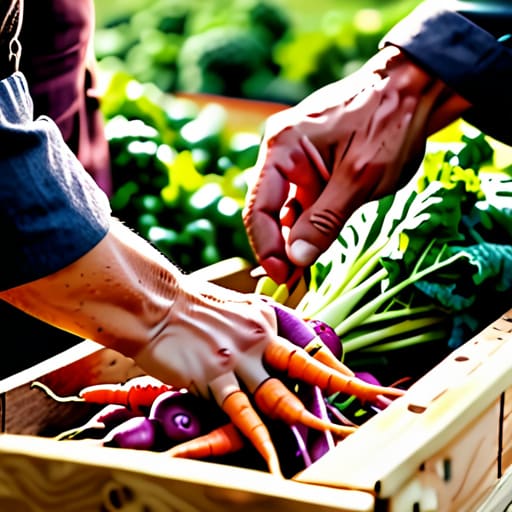
If you’re looking to actually bridge the gap between the plate and the producer, you can’t just rely on a glossy menu description; you have to do the legwork of finding out who is actually growing what. I’ve always found that the best way to understand the heartbeat of a local food scene is to stop looking at apps and start meeting people in New Zealand—the actual growers, the market stall holders, and the small-scale distributors who are the ones really keeping the supply chain alive. It’s in those unscripted conversations, rather than a polished website, that you find out if a chef is truly committed to the land or just paying for a bit of clever marketing.
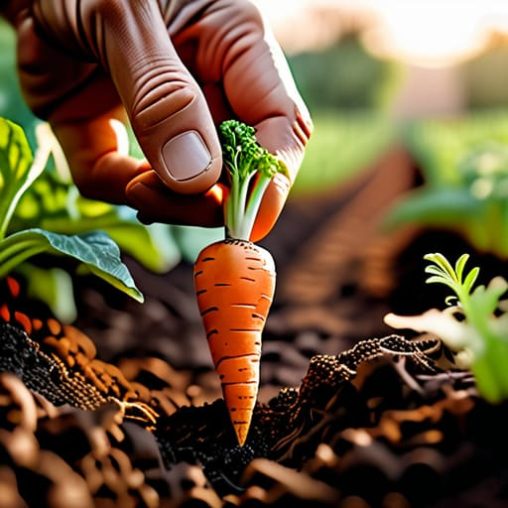
The romantic image of a chef walking through a field to pick a handful of heirloom radishes is lovely, but it doesn’t pay the invoices. When people talk about the benefits of local food sourcing, they usually focus on the flavor—which is fair—but they rarely talk about the administrative nightmare it creates for a small kitchen. Supporting local agriculture means I can’t just call one massive distributor and have a truck drop off everything from salt to sea bass in one go. Instead, I’m managing six different farmers, three different delivery schedules, and a dozen different invoices, all while praying the frost didn’t kill the kale two nights before my Saturday service.
It isn’t just about the logistics, though; it’s about the fragility of the system. While the farm to table environmental impact is often touted as a win for the planet, the reality is that small-scale supply chains are incredibly temperamental. If a local producer has a bad harvest, my menu doesn’t just change; it breaks. You have to build a business model that is resilient enough to handle that kind of volatility without passing every single micro-fluctuation in price onto the customer. It’s a high-wire act of balancing integrity with a bottom line that doesn’t care about your ideals.
Why Transparency in Food Supply Chains Matters
When I ran my sixteen-cover room, “transparency” wasn’t a buzzword I used to impress critics; it was the only way I could sleep at night. If a supplier told me the sea bass was caught yesterday, I needed to know exactly which boat and which pier, because if that fish turned out to be three days old, it wasn’t just a bad review I was facing—it was my reputation and my bottom line. True transparency in food supply chains means moving past the pretty pictures of farmers on Instagram and actually knowing the math behind the delivery. It’s about understanding that when a chef claims a vegetable is local, they are making a promise about the labor and the logistics required to get it from the dirt to the plate without it dying on a truck in the middle of the night.
This level of clarity is what drives the real benefits of local food sourcing, but it’s also a massive administrative headache. You can’t just open a wholesale catalog and click “order” when you’re working with small-scale producers. You have to manage fluctuating prices, inconsistent yields, and the reality that a heavy rainstorm can wipe out your entire herb supply by Tuesday. It’s a high-wire act of constant communication. For the diner, it means knowing exactly what they are paying for, but for the restaurant, it means being brave enough to tell a customer no when the quality just isn’t there.
Five Things the Menu Won't Tell You About Going Local
- Stop looking for a list of names on the menu; look for the seasonal shifts. If a restaurant is serving strawberries in February, they aren’t “farm-to-table,” they’re just playing a marketing game with a global distributor. Real local dining means the menu changes because the soil told it to, not because a marketing consultant decided it looked good on Instagram.
- Understand that “local” is a premium, and it’s a premium for a reason. When you pay an extra four pounds for a heritage carrot, you aren’t just paying for the flavor—though that’s part of it—you’re paying for the fact that the farmer didn’t have the luxury of a massive industrial subsidy to keep their prices artificially low.
- Watch the waste, not just the plate. A true farm-to-table kitchen is a master of the “nose-to-tail” or “root-to-stem” philosophy because they can’t afford to throw away expensive, locally sourced ingredients. If a place claims to be local but has a massive bin of wasted vegetable scraps, they don’t respect the supply chain enough to make it work.
- Realize that a shorter menu is a sign of respect for the season. If a restaurant tries to offer twenty different “local” dishes year-round, they are lying to you. A small, tight menu means the chef is actually working with what arrived on the delivery truck this morning, rather than trying to force a supply chain that doesn’t exist.
- Support the restaurants that treat their suppliers like partners, not just vendors. You can tell by the way a chef talks about their produce; if they speak about the farmer with the same respect they give a regular customer, they are building a resilient business. That stability is what keeps your favorite local spot from folding when the next bad harvest hits.
The Bottom Line on the Local Plate
At the end of the day, the growth of farm-to-table isn’t just about a chef wanting to brag about a specific heirloom radish; it’s a response to a dining public that is finally starting to ask where the hell the food actually comes from. We’ve spent decades perfecting a globalized, invisible supply chain that prioritizes price and consistency over everything else, but that system is brittle. When you choose to eat local, you aren’t just buying a better-tasting tomato; you are participating in a complex, expensive, and often messy attempt to rebuild a broken food economy. It means accepting that the menu might change because it rained too much last Tuesday, and that your favorite dish might suddenly become unavailable because the supplier’s tractor broke down. It’s about trading the illusion of perfect, year-round availability for the unpredictable reality of the seasons.
If you want to support this movement, don’t just look for the buzzwords on a printed menu. Look for the restaurants that are honest about their limitations. Support the places that admit when they can’t get something, and the ones that treat their farmers as partners rather than just line items on an invoice. This way of eating is a calculated risk for both the kitchen and the diner, but it is one worth taking if we want our food systems to survive the next decade. We can choose the convenience of the anonymous, or we can choose the character of the local. Personally, I’ll take the character every single time—even if it means I have to learn to love a lot more root vegetables in February.
