 Written by
 If you go looking for a “complete guide to kitchen equipment” online, you’ll mostly find glossy catalogs filled with shiny, stainless-steel promises that are designed to separate a new owner from their life savings. I’ve seen too many bright-eyed dreamers walk into a kitchen thinking they need a combi-oven that costs as much as a small car, only to realize three months later they’d be better off with a reliable, heavy-duty range and a bit more sense. Most of these lists are written by people who have never had to scrub a floor at 1:00 AM or wonder if a broken compressor is going to bankrupt them by Tuesday morning.
I’m not here to sell you a dream or a brand name. My promise to you is a bit more grounded: I’m going to tell you what actually keeps the service moving and what is just an expensive way to clutter your line. We are going to talk about the tools that survive a Friday night rush and the ones that break your spirit when they fail. This isn’t about having the most gadgets; it’s about knowing exactly what you need to keep the doors open and the plates moving.
Commercial vs Residential Kitchen Tools Where Beginners Fail
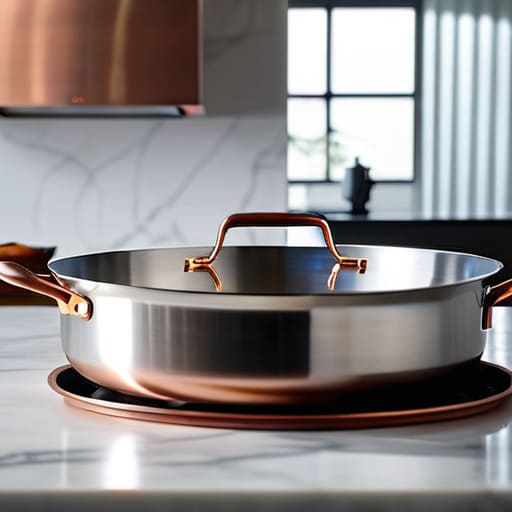
I see it every time a young person decides to open their first bistro: they walk in with a shopping list straight from a high-end home goods catalog. They think because a pan looks beautiful on a marble countertop, it belongs on a high-BTU burner that’s going to punish it. The truth about commercial vs residential kitchen tools is that home equipment is built for aesthetics and occasional use, whereas professional gear is built for abuse. A home sauté pan is a delicate thing; a commercial one is a tank designed to be scraped, deglazed, and tossed into a frantic dish pit six times a night without losing its soul.
If you’re looking for essential cookware for beginners, don’t fall into the trap of buying “pro-style” sets from department stores. Those are often just heavy-duty versions of domestic tools that will fail you when the service gets heavy. In a real kitchen, longevity isn’t about how shiny the steel is; it’s about how much heat it can take before the handle wobbles or the base warps. You don’t need a dozen fancy gadgets; you need tools that can survive a twelve-hour shift and a relentless cleaning crew.
Essential Cookware for Beginners That Wont Break the Bank
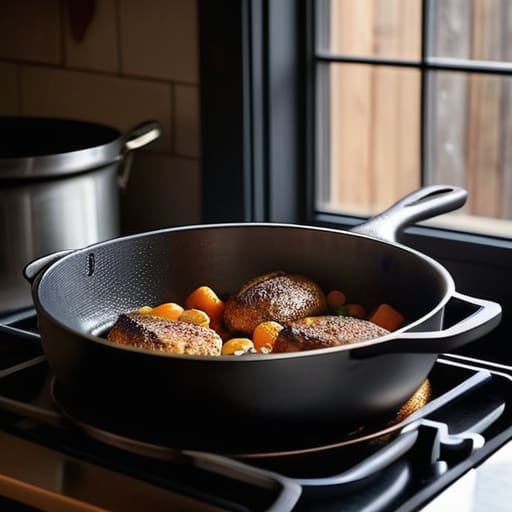
When you’re starting out, the temptation is to buy a twenty-piece set that promises to solve all your problems. It won’t. Most of those kits are filled with filler—tiny saucepans you’ll use once and flimsy graters that snap under pressure. If you want essential cookware for beginners, stop looking at the shiny bundles and start looking at the metal. You need a heavy-duty stainless steel sauté pan that can handle a sear and a cast iron skillet that will outlive you. I’ve seen enough young cooks go bust because they spent their startup capital on a dozen mediocre pans instead of two that actually hold heat consistently.
Don’t get distracted by the marketing for professional chef knife sets that claim to be the secret to Michelin stars. A single, well-maintained 8-inch chef’s knife is worth more than a block of twenty dull blades. Focus on budget-friendly kitchen essentials that prioritize weight and balance over brand names. If a pan feels light and hollow in your hand, it’s going to create hot spots, and hot spots mean wasted food and wasted money. Buy less, but buy better; it’s the only way to survive the first year.
Five Hard Truths About Buying Gear Before You Burn Through Your Capital
- Buy for the menu you actually have, not the one you dream of writing on a napkin. I see young chefs order a sous-vide machine and a pasta extruder before they’ve even mastered a basic pan sauce; if your menu doesn’t require them, that equipment is just a very expensive, very shiny paperweight taking up precious real estate.
- Maintenance is a line item you can’t ignore. You can buy the fanciest, most high-tech combi-oven in the world, but if you haven’t budgeted for the specialized cleaning chemicals and the technician who charges a premium to visit on a Sunday, you’re just buying an expensive way to go broke.
- Second-hand isn’t a dirty word, but “broken” is. There is a massive difference between buying a used stainless steel prep table—which is practically indestructible—and buying a used refrigerator that has a temperamental compressor. If it has a motor, think twice about buying it used unless you’ve seen it running for a week.
- Prioritize the “workhorse” over the “showpiece.” Your guests will never see your heavy-duty stock pots or your industrial-grade peelers, but your staff will live with them for twelve hours a day. Invest in the tools that can take a beating, because “pretty” doesn’t survive a busy Friday night rush.
- Don’t forget the stuff that doesn’t cook. Everyone obsesses over the ranges and the fryers, but a kitchen lives or dies by its storage, its prep containers, and its shelving. If your mise en place is a chaotic mess because you skimped on Cambros and GN pans, your service will be a disaster, no matter how good your stove is.
The Real Bottom Line of Your Kitchen Setup
Don’t fall in love with a shiny new piece of kit just because it looks good in a brochure; if it takes twenty minutes to clean and requires a specialist technician every time a knob sticks, it’s not an asset, it’s a liability that will bleed your margins dry.
Buy for the workflow you actually have, not the one you dream of having when you’re feeling ambitious on a Tuesday morning; a massive, expensive prep station is useless if your kitchen layout forces your cook to walk ten paces every time they need a pan.
Quality isn’t about luxury, it’s about durability and the ability to be repaired; I’d rather spend three times as much on a heavy-duty burner that can be stripped and cleaned by a tired commis at midnight than save a few pounds on a cheap one that dies the moment you hit peak service.
The Hidden Cost of Shiny Things
Everyone wants to buy the gleaming copper pans they saw on a cooking show, but a kitchen isn’t a showroom; it’s a battlefield. If you spend your entire startup budget on equipment that looks beautiful under a spotlight but takes forty minutes to scrub or breaks the moment it hits a heavy service, you haven’t invested in a kitchen—you’ve just bought an expensive way to go broke before your first dessert course.
Rosalind Achterberg
The Bottom Line on the Burners
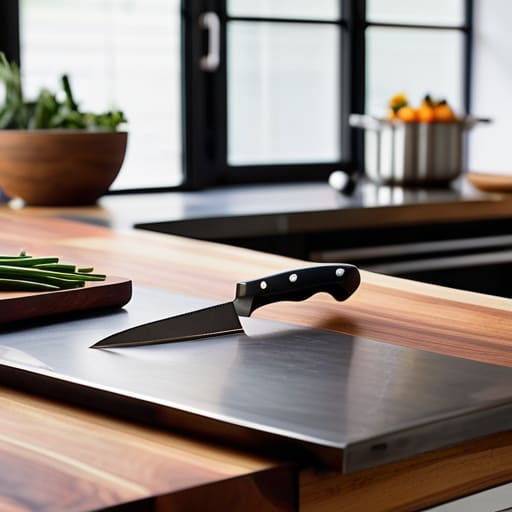
At the end of the day, your kitchen is only as reliable as the tools you’ve chosen to trust. We’ve talked about why you can’t just swap your home toaster for a commercial one, and why buying the cheapest pans in the catalog is a fast track to replacing them every six months. It comes down to a simple math problem: you either pay for quality upfront, or you pay for the constant frustration of broken equipment and wasted prep time later. Don’t let the shiny brochures fool you into thinking a high-end range will fix a poorly planned layout. Focus on the essentials—the knives that stay sharp, the pans that hold their heat, and the refrigeration that actually keeps your margins safe—because equipment is an investment in your sanity, not just a line item on a balance sheet.
If you’re feeling overwhelmed by the sheer volume of stainless steel and technical specs, take a breath. I spent my first years in a hotel kitchen thinking I needed every gadget under the sun to be a “real” chef, only to realize that the best cooks I ever knew could produce magic with nothing more than a heavy pot and a sharp blade. Your gear will change, it will dent, and eventually, it will need replacing, but it should never be the thing that stands between you and the plate. Build your kitchen with intent and economy, and remember that the most important tool in the room isn’t something you can buy at a trade show—it’s the person standing behind the pass.
Frequently Asked Questions
How do I know if a piece of equipment is actually a "must-have" or just a shiny distraction that's going to eat my profit margins?
Ask yourself one question: Does this tool solve a bottleneck, or does it just look good in a brochure? If a piece of kit doesn’t shave ten minutes off your prep time or prevent a dish from being sent back, it’s a luxury, not a necessity. I’ve seen too many owners buy a high-speed processor they only use once a week. If it isn’t working for you every single service, it’s just expensive shelf space.
When is it actually worth the extra money to upgrade to professional-grade gear, and when am I just paying for a brand name?
You pay for the brand name when you’re buying “lifestyle” aesthetics—those heavy, copper-clad pans that look beautiful on a stovetop but require a degree in metallurgy just to clean. You pay for professional grade when you’re buying durability and heat recovery. If you’re searing protein three times a night, you need a pan that won’t warp by Tuesday. Buy the pro gear for the things that take heat and abuse; buy the retail stuff for everything else.
What’s the realistic maintenance schedule for this stuff so I don't end up with a broken oven in the middle of a Saturday night rush?
Listen, you don’t wait for the smoke to start coming out of the oven to call a technician. That’s how you end up staring at a dining room full of hungry people and a kitchen that’s gone dead. You need a schedule: daily wipe-downs of the ranges, weekly deep-cleans of the fryers, and monthly checks on your seals and filters. Most importantly, get a professional in for a service every six months. It’s cheaper than a Saturday night disaster.
