
 Written by
 I remember sitting in my little sixteen-seat dining room in 2014, staring at a single one-star review that had arrived just as I was wiping down the last linen. The customer had complained that the sea bass was “too salty,” ignoring the fact that the kitchen was short-staffed by two people and the delivery driver had been late with the produce. To the internet, that review was a simple fact; to me, it was a bruise on my soul that cost me a week of sleepless nights. Most people will try to sell you a “complete guide to online reviews” that reads like a corporate textbook, promising you “reputation management” and “algorithm optimization,” but they don’t tell you that a single digital comment can feel like a physical blow to a small business owner.
I’m not here to teach you how to play the digital game or how to manipulate a star rating. Instead, I’m going to give you the truth about what these reviews actually mean for the person behind the pass. This is my unvarnished perspective on how to read between the lines of a customer’s rant, how to handle a critic without losing your dignity, and why most of what you read online is entirely irrelevant to the actual quality of the food.
Review Platform Optimization Why Your Virtual Storefront Matters
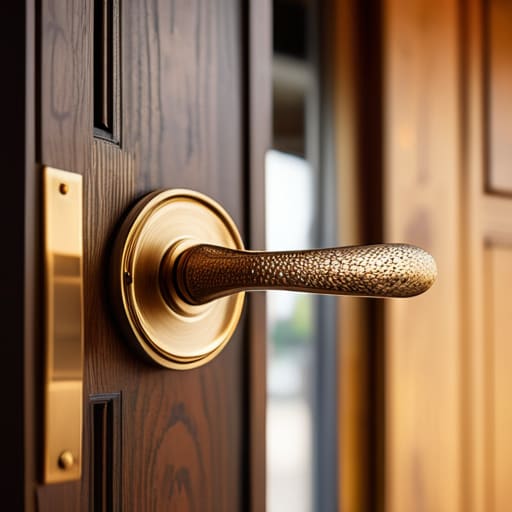
Think of your digital presence not as a marketing brochure, but as the front door to your dining room. In my old place, if the door handle was sticky or the sign was peeling, people assumed the kitchen was equally neglected. Today, your Google profile or TripAdvisor page is that door handle. Review platform optimization isn’t about tricking an algorithm; it’s about ensuring that when a hungry person searches for you, they see a business that is organized, responsive, and alive. If your hours are wrong or your menu is outdated on a platform, you’ve lost the table before they’ve even picked up a fork.
It is also about building consumer trust through reviews by showing you are actually listening. I used to tell my staff that a comment card was a gift, even if it was a complaint. The same applies online. Effective online reputation management strategies aren’t about erasing the bad moments—because a perfect five-star record often looks suspicious, like a kitchen that’s hiding something—but about demonstrating that you are a professional who cares. When you respond to a critic with grace, you aren’t just talking to them; you’re showing every potential guest watching from the sidelines that you are worth their time.
Building Consumer Trust Through Reviews and Honest Dialogue

I remember a regular at my old place, a man who’d come in every Thursday for fifteen years. If he’d walked in and found a hair in his soup, he wouldn’t have shouted; he would have just looked disappointed. That’s the kind of quiet erosion of loyalty you can’t fix with a free dessert. In the digital age, that disappointment doesn’t stay at the table; it goes straight to the cloud. Building consumer trust through reviews isn’t about chasing a perfect score; it’s about proving you’re actually listening when the kitchen slips up.
When a customer leaves a stinging critique, your instinct is to get defensive—I know, because I spent years wanting to write angry letters back to every critic who didn’t “get” my menu. But handling negative reviews professionally is the only way to show the rest of the world that you are a person, not a faceless corporation. If you treat a bad review as a chance to demonstrate grace rather than a personal insult, you aren’t just managing a crisis; you are performing a masterclass in customer feedback management that actually builds a community.
The Ledger of Public Opinion: Five Hard Truths About Managing Your Reputation
- Stop treating reviews like a popularity contest and start treating them like a free audit. If three people mention the soup is consistently lukewarm, don’t get defensive with a canned response; check your heat lamps and your kitchen’s timing. A review isn’t an insult; it’s a data point you’re paying for with your reputation.
- Respond to the vitriol, but keep your dignity intact. When someone leaves a scathing one-star review because you wouldn’t seat them without a reservation at 9:45 PM, respond with grace, not spite. You aren’t writing that reply for the angry customer; you’re writing it for the hundred people reading it later to see if you’re a professional or a hothead.
- Beware the siren song of the “perfect” rating. I’ve seen many a beautiful dining room go under because they spent more time manufacturing five-star reviews than they did training their staff. A profile with nothing but perfect scores looks suspicious, like a kitchen that’s hiding a dirty grease trap. Real businesses have friction; show it.
- Learn to distinguish between a bad meal and a bad experience. A guest might forgive a slightly overcooked steak if the server was attentive and the atmosphere was warm, but they will never forgive a waiter who makes them feel like an inconvenience. Use your reviews to figure out if your problem is in the pans or in the personality of your front-of-house.
- Don’t let the “digital noise” distract you from the regulars in the room. An online review is a snapshot of a moment, but the person sitting at table four every Tuesday is your actual business. Use the digital feedback to fix the cracks, but never let a disgruntled stranger on the internet dictate the soul of your service or the way you treat the people who actually pay your bills.
The Bottom Line: What You Can’t Afford to Ignore
Stop chasing five stars and start chasing accuracy; a single, well-handled one-star review that explains a kitchen’s mistake is worth more to your reputation than ten glowing, hollow compliments that no one believes.
Treat your digital presence like your physical dining room—if you wouldn’t let a dirty tablecloth sit on a table for an hour, don’t let an unanswered customer grievance sit on your profile for a week.
Remember that reviews are a two-way street of accountability; use them to spot the cracks in your service before they become canyons, but never let the noise of the internet drown out the reality of what’s actually happening on your pass.
The Ghost in the Machine
A star rating is just a number on a screen, but a review is a living, breathing record of a moment you can never get back—and if you think you can manage your reputation without actually managing your kitchen, you’re just rearranging the deck chairs on a sinking ship.
Rosalind Achterberg
The Bottom Line is Human

At the end of the day, managing your online presence isn’t about chasing an algorithm or performing digital gymnastics to appease a search engine. It’s about understanding that every star, every comment, and every unanswered grievance is a digital footprint of your actual service. We’ve talked about optimizing your profiles and building trust through transparency, but don’t lose sight of the mechanics: a review is simply a conversation that happened when you weren’t in the room. If you treat your digital storefront with the same rigorous attention to detail as you do your walk-in fridge or your weekly stocktake, the numbers will eventually follow. You cannot manufacture a reputation through clever wording, but you can certainly protect your livelihood by acknowledging the reality of what your guests are telling the world.
I spent twenty-six years learning that the most important things in a restaurant are often the ones you can’t see on a menu—the way a waiter handles a mistake, or the way a manager listens to a disgruntled regular. Online reviews are just a new way for those invisible moments to become visible. Don’t let the noise of the internet make you cynical; instead, let it be the mirror that shows you exactly where your business is thriving and where it is bleeding. If you keep your standards high and your responses honest, you aren’t just managing a profile; you are nurturing a community that will keep your doors open long after the hype has faded.
Frequently Asked Questions
How do I handle a customer who leaves a scathing review over something that clearly wasn't our fault, like a guest being rude to my staff?
Don’t let a bad actor dictate your narrative. If a guest was abusive to your team, you don’t apologize for the “experience”—you defend the standard. Respond publicly, but keep it surgical: “We strive for excellence, but we also prioritize a respectful environment for our staff.” Then, move the conversation offline. A review isn’t a court of law; it’s a public ledger. If you stand by your people, your real regulars will see the truth.
At what point does responding to every single comment stop being "good service" and start becoming a massive drain on my floor manager's time?
It stops being service the moment your floor manager stops looking at the guests in front of them because they’re staring at a screen. If they’re typing out apologies to a stranger on TripAdvisor while a table of four is waiting for their check, you’ve lost the plot. Respond to the vitriol and the genuine praise, yes, but don’t let a digital ghost dictate your physical reality. Service happens on the floor, not in a comments section.
If we’re a small, quiet spot with limited covers, is it actually worth the cost of software to manage these platforms, or should I just stick to the regulars?
Listen, I get the temptation to just pull the shutters and focus on the faces you know. But regulars don’t find you; they stumble upon you by accident or habit. Software isn’t about chasing every tourist with a smartphone; it’s about making sure that when a new table searches for “quiet dinner nearby,” you actually show up. If you’re too invisible to be found, your regulars won’t be enough to pay the electric bill.
