
 Written by
 I remember sitting in my office in late February, staring at a spreadsheet that looked more like a crime scene than a profit and loss statement. The Christmas rush had bled us dry, and the quiet winter lull was settling in like a damp fog. Everyone tells you that the secret to survival is a flashy new marketing campaign or a “limited-time” menu overhaul, but that’s just expensive nonsense. If you want to learn how to handle seasonal trade without losing your shirt, you don’t need a consultant in a slim-fit suit; you need to look at your inventory, your labor costs, and your sanity.
I’m not here to give you a lecture on theoretical hospitality management or some polished strategy you read in a textbook. I’m going to tell you how we actually stayed afloat when the dining room was half-empty and the heating bill was climbing. We’ll talk about why shrinking your menu is sometimes the bravest thing you can do, and how to keep your best staff from jumping ship when the hours get thin. This is about the unvarnished reality of keeping the doors open when the tourists go home and the locals stay in.
Predictive Sales Forecasting Seeing the Storm Before It Hits

Predictive sales forecasting isn’t about magic or staring into a crystal ball; it’s about looking at your books from three years ago and being honest about the patterns you see. When I ran my place, I didn’t just hope for a busy Tuesday in November. I looked at the data to understand the rhythm of the street. You have to learn the art of managing business cyclicality by recognizing that a quiet January isn’t a failure of your cooking—it’s a predictable dip in the local economy. If you don’t see the storm coming, you’ll end up over-ordering expensive proteins that end up in the bin, which is the fastest way to bleed your cash reserves dry.
Real predictive sales forecasting means matching your prep to your actual footfall, not your ego. It’s about working capital management—making sure you have enough liquid cash to survive the lean months so you aren’t scrambling to pay the electric bill when the tourists vanish. You aren’t just predicting how many steaks you’ll sell; you’re calculating exactly how many hours of labor you can afford to schedule without breaking the bank before the spring rush arrives.
Working Capital Management Keeping the Doors Open When Its Quiet
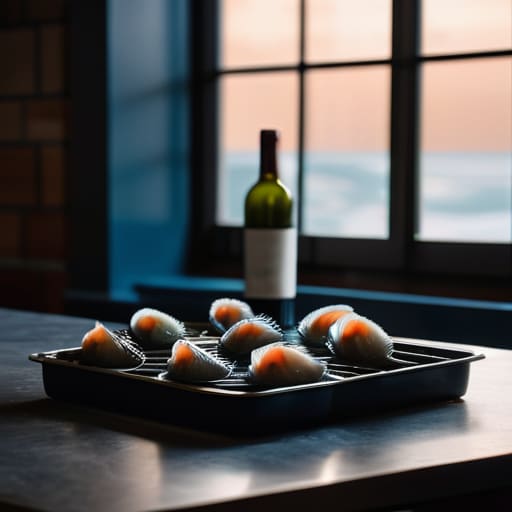
Most people think the danger of the slow season is the lack of customers, but they’ve got it backward. The danger is the cash you’ve already spent. When the dining room empties out in February, you aren’t just fighting low sales; you’re fighting the ghost of every expensive crate of scallops and every premium bottle of Burgundy you ordered back in December. This is where working capital management stops being a boring accounting term and becomes a survival skill. If you haven’t kept a reserve specifically to cover the gap between your last big Friday night and your first spring booking, you aren’t running a business—you’re just gambling.
I learned the hard way that you cannot treat your bank balance like a buffet. You can’t just keep piling things on because you had a record-breaking August. You have to practice aggressive inventory management for seasonal demand, which often means having the discipline to say “no” to a supplier’s tempting deal on a product that won’t move in three weeks’ time. You need to hold onto your cash like it’s the last clean linen in the house. If you can’t pay your electric bill or your head chef’s wages in the quiet months, all that summer profit was just a stay of execution.
Five Ways to Survive the Lean Months Without Losing Your Mind (or Your Shirt)
- Tighten the menu until it hurts. When the covers drop, your biggest enemy is the bin. If you’re carrying twenty different ingredients for a dish that only sells twice a week, you’re essentially throwing cash into the compost. Shrink the menu to your absolute essentials—the high-margin, low-waste winners—and hold onto those. It’s better to have six perfect plates than fifteen mediocre ones that leave you with a fridge full of dying herbs.
- Stop hiring for “potential” and start hiring for “reliability.” In the busy season, you can get away with a bit of chaos and a trainee who needs constant hand-holding. In the quiet season, you can’t. You need the person who shows up on time, knows how to clean a grease trap without being asked, and doesn’t mind a slower pace. One solid, multi-skilled person is worth three seasonal hires who vanish the moment the weather turns.
- Negotiate your way out of the corner. I spent years arguing with suppliers, and I learned that they’d rather take a smaller, consistent order from a loyal client than lose you entirely. If you know your volume is about to dip, talk to your meat and veg people early. Don’t just wait for the invoice to shock you; ask for smaller delivery frequencies or different cuts that suit a leaner menu. It’s a partnership, not a battle, but you have to be the one to start the conversation.
- Master the art of the “slow” service. When the dining room isn’t humming, the temptation is to let the standards slip—to let the floor get dusty or the staff sit in the back scrolling on their phones. Don’t do it. Use the downtime for the deep-tissue maintenance you can’t do when you’re slammed. Scrub the vents, reorganize the dry store, and train the team on the wine list. If you look like you’re struggling, the customers will feel it; if you look polished, they’ll feel like they’ve found a hidden gem.
- Watch your labor, but don’t starve your soul. I’ve seen owners cut their staff so thin to save a few pounds that the service becomes robotic and cold. People come to restaurants for the atmosphere, and atmosphere is built by humans. Instead of cutting hours blindly, look at the rota through the lens of “active versus passive” time. If you have a gap between lunch and dinner, don’t just send everyone home; have them prep for the next day so your morning shift isn’t starting from behind. Control the cost, but don’t kill the spirit of the room.
The Hard Truths to Carry with You
Don’t mistake a busy weekend for a healthy business; true stability is found in how you manage the Tuesday afternoons when the dining room is a ghost town.
Your menu is a financial document, not just a list of food, so trim the fat and the expensive, perishable items before the slow season forces you to throw them in the bin.
Protect your people above all else, because a skeleton crew that is overworked and resentful will drive away the regulars you worked twenty years to build.
The Myth of the Empty Room
“A quiet Tuesday in February isn’t just a lack of covers; it’s a math problem that starts with your rent and ends with your staff’s morale. You don’t ‘weather’ the low season—you survive it by trimming the fat off your menu and your payroll before the frost actually sets in.”
Rosalind Achterberg
The Long Game

At the end of the day, surviving the lean months isn’t about magic tricks or a sudden influx of influencers; it is about the unglamorous math you do in the dark. It’s about knowing that a tight menu isn’t a lack of creativity, but a strategic shield against waste, and that your cash reserves are the only thing standing between a quiet Tuesday and a permanent “Closed” sign. You have to forecast with a heavy dose of skepticism and manage your capital like it’s the last bit of oxygen in the room. If you try to run a peak-season operation on a shoulder-season budget, you won’t just lose money—you’ll lose the very people who make the restaurant worth running in the first place.
Running a restaurant is a cycle of breathing in and breathing out. There will be months when the dining room feels like a feast and months when it feels like a funeral, but the goal is simply to stay in the room long enough to see the seasons turn again. Don’t let the quiet periods make you feel like you’re failing; they are just the necessary intervals between the storms. Keep your eyes on the books, keep your staff’s loyalty intact, and remember that resilience is a quiet, boring virtue, but it is the only one that actually pays the rent.
Frequently Asked Questions
If I’m cutting my menu down to save on waste during the quiet months, how do I stop my regulars from feeling like I’m being stingy or losing my identity?
You aren’t being stingy; you’re being smart. If you try to serve twenty dishes with only three staff members and half a pantry, you’ll serve mediocre food, and that’s what actually kills a reputation. Instead of a shrinking menu, call it a “curated seasonal edit.” Frame it as a commitment to quality over quantity. Tell your regulars you’re focusing on the ingredients that are actually worth eating right now. They’ll respect the honesty far more than a mediocre risotto.
How do I decide which staff members to keep on the rota when the revenue isn't there to cover a full team, without losing the good ones to a competitor?
The Rota Dilemma: Keeping Your Best Hands When the Till is Dry
Is it actually worth investing in a marketing push during the off-season, or am I just throwing good money after bad when the footfall simply isn't there?
Don’t go throwing money at shiny Instagram ads just because the dining room feels hollow. If the footfall isn’t there, a flashy campaign is just a way to burn cash faster. Instead, spend that money on your regulars. A targeted, personal invite to your best tables for a “quiet night” tasting is worth more than a thousand clicks. Marketing in the off-season isn’t about finding new strangers; it’s about making sure the people you already have don’t forget you exist.
