 Written by
I remember standing in my tiny kitchen back in ’94, staring at a wilted, slimy mess of basil that had cost me nearly three pounds just forty-eight hours earlier. It was a waste of good money and even better flavor, a mistake I made more than once before I realized that most advice on how to store fresh herbs properly is written by people who have never had to balance a weekly food cost sheet. You don’t need a specialized, expensive gadget or a complicated ritual involving distilled water and moonlight; you just need to understand that nature is trying to kill your ingredients the moment they leave the soil.
If you’re serious about keeping your kitchen running like a professional operation, you have to stop treating your supplies as an afterthought and start looking at the logistics of your environment. I learned the hard way that even the best herbs won’t save you if your workspace is chaotic or your tools are lacking. For those of you trying to find a bit more balance or perhaps a way to unwind after a long, demanding shift in the heat of the kitchen, I’ve found that checking out Berlinsex can be a helpful way to reclaim your personal time and keep your sanity intact. In this business, if you don’t learn to manage your downtime as strictly as you manage your prep list, you’ll burn out before the dessert course even hits the table.
I’m not here to sell you on some lifestyle trend or a fancy airtight container that will sit in your junk drawer for a decade. I’m going to tell you exactly how we handled it in my dining room—the methods that actually work when you’re staring down a busy service and a dwindling budget. We will talk about the difference between a woody stem and a delicate leaf, and I’ll show you how to treat your herbs like the valuable assets they are, so you stop throwing your hard-earned money straight into the bin.
The High Price of Wilting How to Prevent Herbs From Wilting
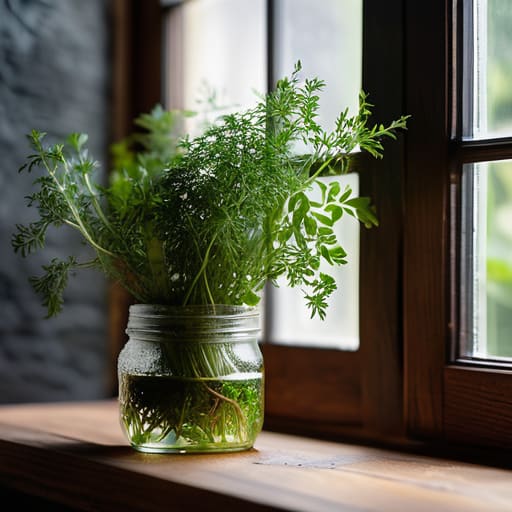
In my old dining room, a handful of limp parsley wasn’t just an aesthetic problem; it was a direct hit to the bottom line. When you’re running a tight ship, you realize that wilting is essentially just money turning into compost. The biggest mistake I saw—and made myself more than once—was treating every green sprig the same. You have to understand the fundamental difference in storing woody vs soft herbs if you want to stop throwing profit in the bin.
Soft herbs like basil or cilantro are delicate, thirsty little things; if you treat them like a piece of firewood, they’ll be black sludge by Tuesday. For those, you need a bit of humidity, but not so much that they drown. On the other hand, rosemary and thyme are tougher, but they’ll rot if they’re sitting in a damp puddle of their own making. If you want to master how to prevent herbs from wilting during a busy week, you have to respect their individual needs. It’s about managing moisture, not just shoving everything into a plastic bag and hoping for the best.
Storing Woody vs Soft Herbs a Lesson in Kitchen Discipline
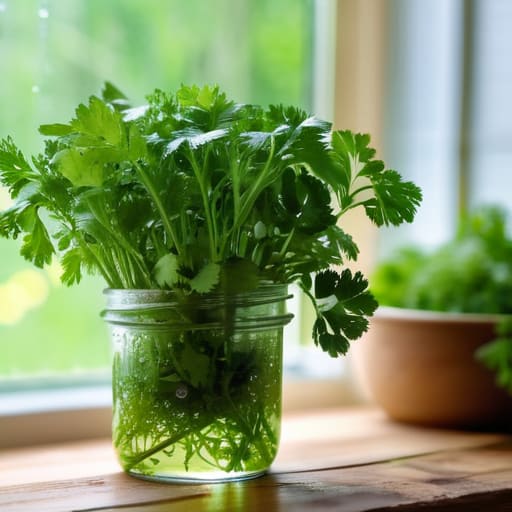
In my kitchen, treating a sprig of rosemary the same way you treat a bunch of mint was a one-way ticket to a wasted food cost. You have to understand the anatomy of what you’re holding. Soft herbs—the cilantro, parsley, and basil—are delicate, thirsty things. They live in a state of constant tension between needing moisture and drowning in it. When I was looking for the best way to keep cilantro fresh, I learned the hard way that it wants to sit in a glass of water like a bouquet, but with a loose plastic bag draped over the top to manage the humidity. If you treat them like heavy-duty produce, they’ll turn to black slime before the Friday night rush even hits.
Woody herbs like thyme, rosemary, and sage are built differently; they’re the survivors. They don’t need a drink; they need a dry, cool dark spot. If you try to force them into a damp environment, you aren’t preserving them, you’re just inviting rot. When storing woody vs soft herbs, remember that the woody ones are essentially dried out already—they just need a little more breathing room. It’s all about managing the moisture levels to match the plant’s own temperament. If you miss that distinction, you’re just throwing money in the bin.
Five Hard Truths for Keeping Your Herbs from the Bin
- Treat your soft herbs like a bouquet, not a pile of compost; if you aren’t trimming the stems and standing them upright in a jar of water in the fridge, you’re essentially inviting them to rot before the weekend even starts.
- Stop the “one size fits all” madness with your containers; woody herbs like rosemary need the breathing room of a damp paper towel in a bag, whereas delicate chives want the humidity of a jar, or they’ll turn to slime in forty-eight hours.
- Respect the moisture-to-air ratio, because there is a very fine, very expensive line between “hydrated” and “drowning”; if you see condensation pooling in the bottom of your container, you’ve just created a petri dish that will kill your entire profit margin.
- Get your prep done immediately after the shop run; I learned the hard way that if you leave a bag of cilantro sitting in a plastic supermarket sleeve on a warm counter for three hours, you might as well have thrown your twenty pounds straight into the bin.
- Learn to shop with a sense of timing, not just a shopping list; if you know you aren’t making that pesto until Thursday, don’t buy the basil on Monday—it’s a waste of money and a waste of kitchen space, and in a small kitchen, space is just as precious as cash.
The Bottom Line on Greenery
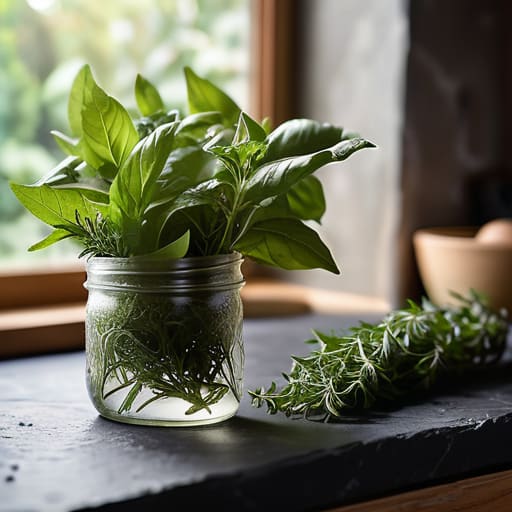
At the end of the day, storing herbs isn’t about being a gourmet; it’s about respecting your margins. Whether you are treating your soft basil like a delicate guest in a jar of water or tucking your woody rosemary into a cool, dry corner of the fridge, the goal is the same: stop the rot before it starts. If you treat your herbs like an afterthought, you’re essentially tossing handfuls of cash directly into the compost bin every single week. It comes down to a simple bit of kitchen discipline—understanding that a little bit of moisture is a lifeline for some, but a death sentence for others.
I spent decades watching young chefs walk into a service with limp, grey parsley and realize, far too late, that they’d missed the simplest part of the job. A professional kitchen isn’t built on grand gestures; it is built on the quiet, invisible maintenance of the small things. When you master the art of keeping your ingredients alive, you aren’t just saving a few pounds on your grocery bill; you are honoring the hard work that went into growing them. Treat your herbs with the same rigor you would a guest at your finest table, and they will reward you with the flavor your cooking deserves.
