
 Written by
I remember sitting in my own sixteen-seat dining room on a rainy Tuesday, staring at a tablet that kept pinging with automated bookings, feeling a strange sense of disconnect. There is a modern myth that knowing how to make restaurant reservations online is as simple as clicking a shiny button and being done with it, but that’s a lie sold to you by software companies. In reality, every digital booking is a silent contract between you and a kitchen that is likely sweating through a rush. When you treat an online booking like a mere convenience rather than a commitment, you aren’t just securing a table; you are stepping into a high-stakes dance of timing, staffing, and thin margins.
I’m not here to give you a technical manual or a list of apps to download. Instead, I want to pull back the curtain on what happens once you hit ‘confirm.’ I’ll show you how to navigate these digital gatekeepers so you actually get the seat you want, without becoming the customer that makes a hard-working floor manager lose their mind. This is about understanding the etiquette of the click, the reality of cancellation fees, and how to respect the business behind the beautiful food.
Navigating the Best Restaurant Booking Apps and Their Hidden Costs
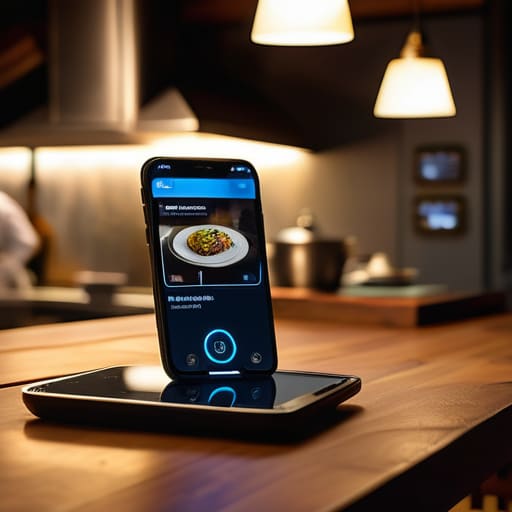
Everyone talks about the convenience of the best restaurant booking apps, but nobody talks about the friction they create between the diner and the host. When you use these online table booking platforms, you aren’t just clicking a calendar; you are entering a digital contract. For a small kitchen, a “no-show” isn’t just a missed sale—it’s a wasted prep list, a chef who stayed late for nothing, and a hole in the night’s revenue that can never be filled. These apps make it easy to secure a spot, but they also make it dangerously easy to forget you made it.
The hidden cost is often found in the fine print of restaurant reservation etiquette. Many of these platforms now require a credit card to hold a table, and while that protects the business, it also creates a high-stakes environment for the guest. If your plans change, you need to know exactly how to cancel online dining bookings before the automated system decides to charge your card a “no-show” fee. To me, the most respectful way to use these tools is to treat the digital confirmation with the same weight you would a verbal promise made to my face across a crowded dining room.
Securing Dining Reservations Before the Table Disappears
If you’re aiming for the kind of place that doesn’t have a revolving door but a velvet rope, you have to understand that a table isn’t just a piece of furniture; it’s a timed asset. When you are securing dining reservations at a high-demand spot, you aren’t just competing with other hungry people; you are competing against the restaurant’s own math. Most popular spots release their tables in specific windows—Tuesday mornings or the first of the month—and if you aren’t sitting there with your phone ready, you’ve already lost. It’s a digital scramble that feels a bit much for a Tuesday night meal, but that’s the reality of a room that only turns once.
Once you do snag that slot, don’t just vanish into a cloud of digital satisfaction. I’ve seen too many owners staring at a ghost table that was booked three weeks ago and never showed. Real restaurant reservation etiquette means treating that booking like a contract. If your plans change, use the system to cancel immediately. Don’t just let the time slip away; be the person who frees up that seat for someone else. A quick click on the app is far better than leaving a host standing there wondering where their revenue went.
Five Rules for the Digital Diner (Before You Ever Touch the Cutlery)
- Treat the “No-Show” Fee as a Moral Contract, Not a Fine. When a restaurant asks for your card details upfront, they aren’t trying to rob you; they are trying to survive. If you book a table for eight and then decide you’d rather stay in with Netflix, you aren’t just missing a meal—you are costing that kitchen a full service of wages and ingredients. If you can’t make it, cancel the booking immediately so someone else can take that seat.
- The “Special Occasion” Note is Not a Magic Wand. I’ve seen too many people type “Anniversary!” into a booking comment box and then act insulted when there isn’t a free bottle of Bollinger waiting. If you want something special, call the restaurant. A digital note is a data point; a phone call is a conversation. One gets filed in a system, the other gets remembered by the person actually running the floor.
- Respect the “Window” and the “Turn.” If you book a 7:00 PM slot, don’t show up at 7:20 PM expecting the kitchen to have waited for you. Most small rooms operate on a tight rotation; if you’re late, you’re not just delaying your food, you are bumping the entire evening’s rhythm and potentially delaying the next guest’s arrival.
- Don’t Assume the App Knows the Whole Story. An app might show a table is available, but it doesn’t know that the terrace is currently being repainted or that the chef is out with the flu. If you have a genuine dietary requirement—not just a “preference” for kale, but a life-or-death allergy—confirm it via email or phone after the digital booking is made. Technology is efficient, but it is notoriously bad at nuance.
- Watch the Party Size Like a Hawk. If you are a group of five, do not book a table for four and try to “squeeze in” a fifth person when you arrive. It sounds trivial, but in a sixteen-cover room, that extra chair can break the entire service. If your group size changes, update the reservation online or call. A restaurant’s floor plan is a jigsaw puzzle, and you are handing them a piece that doesn’t fit.
The Human Element Behind the Screen

At the end of the day, navigating apps and timing your clicks is just a way to manage the logistics, but it shouldn’t be the whole story. We’ve talked about the best tools to snag a seat and the importance of being ready when that window opens, but remember that every digital booking is ultimately a contract of respect. When you secure a table online, you aren’t just reserving a piece of furniture; you are committing a small business to a specific cost of labor, ingredients, and overhead. If you book a table and then fail to show, or if you treat the reservation time as a suggestion rather than a promise, you aren’t just being flaky—you are actively eating into someone’s margins and wasting a seat that could have gone to someone else.
My advice? Use the technology to your advantage, but never let the screen distance you from the reality of the room. A reservation is the first handshake of your evening, and how you handle it sets the tone for the entire experience. Use the apps to find the gems, but once you walk through those doors, put the phone away and remember that there are real people—cooks, servers, and owners—working hard on the other side of that booking. If you treat the process with a bit of grace and a lot of punctuality, you’ll find that the best dining experiences aren’t just about getting a seat, but about being a guest worth having.
Now, a word of caution from someone who has spent far too many nights staring at a flickering monitor trying to snag a Friday night slot: don’t let the convenience of an app make you forget the human element of the booking. If you find yourself struggling with a particularly stubborn interface or a restaurant that seems to have gone dark online, sometimes the old-fashioned way is still your best bet. A quick, polite phone call to the host can often reveal a cancellation that hasn’t hit the system yet, or at the very least, it lets them know there is a real person behind that digital request. It’s a bit like looking for sex in stoke on trent; sometimes you have to look past the obvious, loud advertisements and do a bit of genuine legwork to find exactly what you’re after.
