 Written by
I remember a Tuesday night in my old dining room, about ten years ago, when a lovely woman sat down and politely mentioned a severe nut allergy. She was so soft-spoken, so careful not to be a bother, that the server simply nodded, smiled, and walked away. I watched from the pass as that order hit the line, and my heart sank because I knew exactly what happened: the ticket was read, but the mental note wasn’t made. Most people think learning how to eat out safely with allergies is about finding the perfect, high-end establishment with a dedicated “allergy menu,” but that’s a load of nonsense. In reality, safety isn’t found in a fancy printed card; it’s found in the communication between the floor and the kitchen, and quite often, it’s found in the uncomfortable conversations you have to initiate yourself.
I’m not here to give you a list of “safe” restaurants, because a restaurant is only as safe as the person holding the spatula that night. Instead, I’m going to tell you how to navigate the chaos of a busy service without becoming a nuisance or a victim. I’ll show you how to spot a kitchen that actually listens, why you should never trust a “may contain” disclaimer blindly, and exactly what to say to a server to ensure your message doesn’t get lost in the weeds. This is about practical, hard-won survival for the dining room.
Reading Restaurant Menus for Allergens Before You Ever Sit Down

Don’t wait until you’re staring at a linen tablecloth to start your investigation. By then, the kitchen is already in mid-service, the tickets are flying, and the mental bandwidth of your server is stretched thinner than a cheap reduction. I always tell people that the real work happens at home, with a laptop and a quiet cup of tea. Reading restaurant menus for allergens before you leave the house isn’t about being difficult; it’s about managing the physics of a busy kitchen. If a menu is vague—using words like “house sauce” or “seasonal garnish” without any detail—that is your first red flag.
A menu that lists ingredients with precision isn’t just being fancy; it’s a sign of a kitchen that respects its components. When I ran my place, if a chef couldn’t tell me exactly what went into the pesto, they shouldn’t have been touching the pan. Look for establishments that explicitly mention common allergens or, better yet, those that have a dedicated process for allergy-friendly restaurant selection. If the website is non-existent or the menu is a blurry photo on a Facebook page, you aren’t just risking a bad meal; you are gambling with your safety.
The Truth About Dining Out With Anaphylaxis Risk
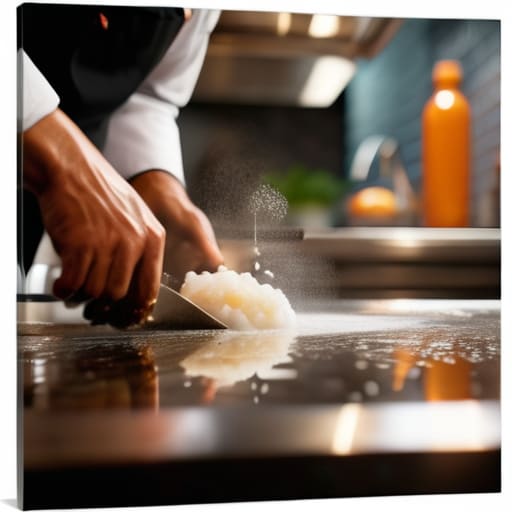
When you’re dealing with a life-threatening allergy, the polite “just checking” approach doesn’t cut it. I’ve spent decades watching the rush hit a kitchen at 7:30 PM; I know exactly how a frantic line cook operates when the tickets are piling up. In that chaos, a simple verbal mention can vanish like steam off a plate. If you are dining out with anaphylaxis risk, you have to understand that you aren’t just asking for a substitution; you are asking the staff to fundamentally change their workflow. You are asking them to scrub a board, find a clean pan, and ensure that the person prepping the garnish hasn’t just handled peanuts.
It isn’t about being a “difficult” customer—it’s about the reality of cross-contamination prevention in kitchens. Most mistakes don’t happen because a chef is malicious; they happen because of a shared spoon or a stray crumb on a cutting board. When I ran my place, I knew that the only way to truly guarantee safety was to make the allergy a non-negotiable part of the ticket itself. You need to see that the server isn’t just nodding, but is actually relaying that specific, high-stakes information back to the kitchen. If they don’t treat your request with the gravity it deserves, they aren’t ready to serve you.
Five Ways to Handle the Pass Without Getting Sick
- Don’t wait for the waiter to ask; lead with your allergy the second you sit down. In a busy service, a server is juggling ten things at once, and “politeness” is often just a way to avoid a difficult conversation. If you don’t make it the first thing on the table, it becomes an afterthought, and an afterthought is where mistakes happen.
- Ask to speak to the chef or the kitchen manager, not just the floor staff. I’ve run kitchens where the front-of-house staff are lovely people but have absolutely no idea if the new batch of stock contains traces of soy or if the fryer was shared this morning. You need the person who actually holds the knife to confirm the risk.
- Understand that “may contain” isn’t a legal loophole; it’s a warning about the reality of a shared kitchen. Even in the best kitchens, flour dust travels and nut oils linger. If a menu is vague, don’t try to negotiate with it—just take it as a sign that their cross-contamination protocols aren’t tight enough for your level of risk.
- Watch the “flow” of the kitchen when you can. If you see a server carrying a plate of pasta and then immediately turning to grab your “allergy-safe” risotto without changing gloves or using a clean pan, you have your answer. A professional kitchen is a choreographed dance, and if the rhythm is sloppy, your safety is at risk.
- Be prepared to walk away without feeling guilty. I know it feels awkward to send a dish back or leave a restaurant after being seated, but I’d rather lose the revenue from one table than have a guest go into shock in my dining room. If a restaurant makes you feel like a nuisance for needing safety, they aren’t a professional establishment, and you shouldn’t give them your money.
The Bottom Line for Your Next Meal
Don’t assume the menu is the final word; ingredients change based on what the supplier actually delivered that morning, so treat a printed list as a suggestion rather than a guarantee.
Be prepared to walk away if the staff looks flustered by your request, because a kitchen that is too busy or too disorganized to handle a simple allergy is a kitchen that is about to make a very expensive mistake with your health.
Realize that being “difficult” isn’t the goal, but being precise is—give the server the exact name of your trigger and don’t let them “check with the chef” without coming back to you with a definitive yes or no.
The Cost of a Polite Silence
“When you’re dining with a life-threatening allergy, being ‘polite’ is often your biggest liability. I spent decades running a kitchen where a well-meaning customer would say, ‘Oh, I’m not allergic, really, it’s fine,’ just to avoid making a fuss, while the chef was already halfway through tossing that exact same pan with peanut oil. Don’t worry about being a burden; worry about being clear. I’d much rather deal with a demanding guest than a kitchen staff that’s apologizing for an emergency they could have prevented with one honest conversation.”
Rosalind Achterberg
The Final Check Before the First Bite
At the end of the day, eating out with an allergy isn’t about being a “difficult” customer; it is about managing a high-stakes logistical operation. You’ve done the legwork by checking the menus ahead of time, you’ve identified the right person to speak to, and you’ve learned that politeness is no substitute for absolute clarity. Remember that the kitchen is a place of intense pressure, where a single misplaced garnish or a shared cutting board can turn a beautiful meal into a medical emergency. Don’t leave your safety to chance or to the hope that a busy server will remember your request. Verify, repeat, and double-check—not because you are being demanding, but because you are the only one who truly knows the cost of a mistake.
It can feel exhausting to carry this extra mental load every time you pick up a reservation book, but please don’t let the fear rob you of the joy of a good meal. There are still wonderful, conscientious restaurateurs out there who view your safety as a matter of professional pride rather than a nuisance. When you find that place—the one where the staff listens, the chef acknowledges the risk, and the service feels seamless—hold onto it. Dining should be a celebration, and once you master the art of navigating the system, you can get back to what really matters: sitting in a comfortable chair, enjoying a glass of something decent, and appreciating the craft of a well-made dish.
Frequently Asked Questions
What do I actually do if the server seems unsure or starts looking panicked when I mention my allergy?
If the server’s eyes go wide or they start stammering, that’s your cue to stop being polite. A panicked server is a dangerous server. Don’t let them “think it’ll be fine.” Instead, ask to speak to the manager or the chef directly. I’ve seen too many kitchens where a well-meaning but overwhelmed waiter assumes a sauce is safe when it isn’t. If they can’t give you a firm, confident “yes,” take that as a “no.”
Is it ever okay to ask to see the kitchen, or will that just make the staff resent me before the food even arrives?
Look, I’ll be blunt: don’t ask to see the kitchen. You aren’t there to perform a health inspection, and frankly, most chefs will find it patronizing. If you walk back there, you’re not just a guest anymore; you’re a distraction in a space that’s already running on a razor’s edge. Instead, ask the manager about their cross-contamination protocols. It’s professional, it gets you the real answer, and it doesn’t make the staff want to throw a pan at you.
How much should I expect to pay in "extra" time or service fees when a kitchen has to go through a full scrub-down just to prep my meal?
You won’t see a line item on your bill called “Allergy Cleaning Fee”—if a place does that, they’re amateur and likely dishonest. But you should expect to pay in time. When a kitchen has to pull down a station and scrub a prep area to guarantee zero cross-contamination, that’s not a five-minute task; it’s a disruption to the entire flow. You’re paying for the extra labor and the slower pace, not a surcharge.
