 Written by
 Stop looking at the number of stars on a website or the sheer length of a tasting menu to decide your evening; it’s a fool’s errand. Most people think the secret to a perfect night is finding the most “exclusive” spot, but after twenty-six years of running my own sixteen-cover room, I can tell you that a glossy Instagram feed is often just a mask for shaky fundamentals. If you’re trying to figure out how to choose where to eat, stop chasing the hype and start looking at the bones of the place. A massive menu isn’t a sign of abundance; it’s usually just a desperate attempt to hide a lack of focus behind a wall of ingredients.
I’m not here to give you a list of the trendiest hotspots in the city. Instead, I’m going to show you how to read between the lines of a menu, why the lighting in a dining room tells you more than the wine list, and how to spot a kitchen that is actually in control of its costs. I’ll teach you to look for the real markers of quality—the ones that matter to the people behind the pass—so you can stop wasting your money and start actually enjoying your dinner.
Reading Online Food Ratings Without Falling for the Hype
I’ve spent enough years staring at a spreadsheet to know that a five-star rating is often just a measurement of how much free bread and butter a place provides. When you’re reading online food ratings, you have to look past the adjectives. Everyone is “blown away” or “obsessed” by a plate of pasta, but those words don’t tell you if the kitchen is running a tight ship or if the salt levels are wildly inconsistent. I look for the reviews that mention the timing between courses or the way a server handled a mistake. That’s where the truth lives.
A sea of glowing praise for “the vibe” is usually a red flag that the kitchen is secondary to the lighting designer. If the reviews focus entirely on the decor, you aren’t looking at a restaurant; you’re looking at a stage set. Real quality shows up in the specifics—comments on the freshness of the produce or how well the staff understands the wine list. Don’t let a polished Instagram feed dictate your dining out decision making; a beautiful room can’t fix a disorganized pass or a chef who doesn’t respect their ingredients.
Evaluating Restaurant Atmosphere Beyond the Pretty Lighting
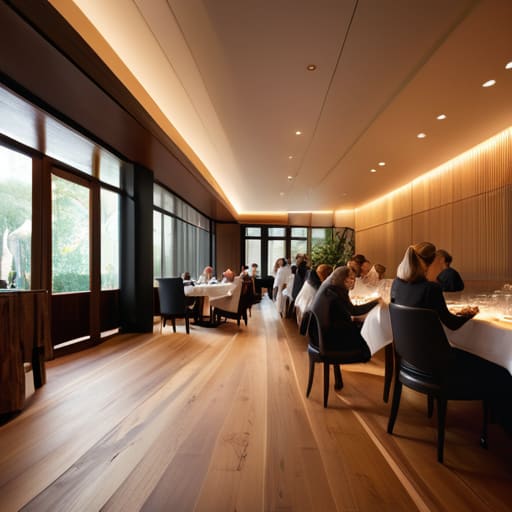
Everyone spends far too much time looking at the professional photography of a dining room’s “mood lighting” and not enough time looking at the floor. You can dim the lights until you can’t see your own hands, but that won’t hide a disorganized floor or a server who looks like they’re walking through waist-deep mud. When you are evaluating restaurant atmosphere, stop looking for the aesthetic and start looking for the rhythm. A room that feels “vibrant” is often just a sign of good pacing; a room that feels “intimate” should actually be quiet enough to hear your companion without leaning in like you’re sharing state secrets.
The real tell isn’t the velvet upholstery; it’s the sound of the service. If the dining room is a cacophony of clattering plates and shouting, the kitchen is underwater, and no amount of expensive candles will fix that stress. I always look for the invisible hand—that seamless flow where tables are cleared without a struggle and the transition between courses feels natural, not rushed. If the atmosphere feels forced, it’s usually because the management is trying to manufacture a vibe to mask a lack of operational control.
The View From the Pass: Five Rules for Choosing Your Next Table
- Look at the size of the menu before you look at the photos. If a place is trying to offer pasta, steak, seafood, and tacos all in one sitting, they aren’t specialists; they’re just trying to cast a wide enough net to catch anyone with a credit card. A focused menu means better prep, less waste, and a kitchen that actually knows what it’s doing.
- Watch the staff, not just the food. When you walk in, notice if the person at the host stand looks like they’ve just been handed a heavy weight or if they’re actually present. If the front-of-house looks frazzled or disconnected before you’ve even sat down, it’s a sign the rota is broken or the management has checked out.
- Don’t fear the “no reservations” policy. Sometimes, a restaurant that doesn’t take bookings is a sign of a high-turnover, high-energy business that relies on the quality of its food to keep people coming back. However, if it’s a tiny room, that policy might just be a way to hide the fact that they can’t afford a dedicated booking manager.
- Check the “vibe” against the price point. If you’re paying premium prices, you aren’t just paying for the ingredients; you’re paying for the invisible labor of seamless service. If the room is loud, cramped, and the staff is sprinting past your table to avoid eye contact, you are being overcharged for the privilege of being ignored.
- Use the “Tuesday Test” for local gems. If a restaurant is empty on a Tuesday night, it doesn’t necessarily mean the food is bad, but it does tell you something about their consistency. A business that can’t maintain a steady rhythm through the mid-week slump is often one that is struggling with its margins or its reputation among the locals who actually matter.
What to Look for When the Hype Fades
Look at the menu size, not the variety; a focused list of nine mains means the chef knows their stock levels and their prep times, whereas a massive menu is usually just a desperate attempt to please everyone while wasting half the ingredients.
Watch the staff, not the decor; a restaurant where the service is seamless and invisible is a sign of a well-run business, while overly performative service often masks a lack of actual kitchen discipline.
Pay attention to the “closing time” test; how a place treats a table that walks in ten minutes before the doors lock tells you everything you need to know about their true hospitality versus their desire to just get to the bank.
The Illusion of Choice
Stop looking for the place that does everything; look for the place that is brave enough to do only three things, because a chef who tries to please everyone is usually just a chef who isn’t paying attention to their food costs or their kitchen staff.
Rosalind Achterberg
The View from the Pass
At the end of the day, choosing where to eat isn’t about finding a place that ticks every box on a glossy Instagram feed; it’s about learning to read the unspoken signals. It’s recognizing that a tight, focused menu is a sign of discipline rather than a lack of variety, and understanding that the most important part of a restaurant isn’t the decor, but the invisible machinery of service and cost that keeps the lights on. When you stop looking at the surface and start looking at the intent behind the choices, you stop being a mere consumer and start becoming a guest who actually understands the craft.
So, go ahead and book that table, but do it with your eyes open. Don’t be afraid of the small, quiet rooms that don’t have a marketing budget, because those are often the places where the passion hasn’t been suffocated by the need to please everyone at once. Whether you are celebrating a milestone or just sitting alone at a bar with a notebook, remember that every meal is a transaction of trust between you and the people in that kitchen. Eat well, pay your bill, and if the service is seamless and the food is honest, leave a tip that acknowledges the real work it took to put that plate in front of you.
Frequently Asked Questions
If a restaurant has a massive menu with twenty different mains, is that a sign of versatility or a sign of a disorganized kitchen?
If you see twenty mains on a menu, don’t mistake it for choice; see it for what it actually is: a logistical nightmare. A menu that large isn’t a sign of versatility; it’s a sign of a kitchen struggling to find its identity. It means more prep, more waste, and a pantry that’s spread far too thin. When you have twenty different dishes to master, nothing is truly exceptional—you’re just eating a collection of mediocrity.
How can I tell if a high service charge is actually paying for decent staff or just padding the owner's bottom line?
Look at the staff, not the receipt. If the service charge is being swallowed by the house, you’ll see it in the eyes of your waiter—they’ll be efficient, sure, but they’ll look exhausted and underpaid. In a well-run room, that extra percentage translates to a team that isn’t rushing to shave seconds off your experience just to survive. If the service is seamless and the staff seems settled, the money is likely where it belongs.
When looking at a wine list, how do I know if the prices are fair or if I'm being taken for a ride?
Look, a wine list isn’t a menu; it’s a margin game. If you see a bottle priced at exactly three times its retail cost, you’re paying for the privilege of not carrying a heavy box home. But if the markup is five or six times, they’re either overstocked or testing your pockets. A fair list shows range—some “entry” bottles for the casual drinkers and the gems for the enthusiasts. If it’s all high-margin heavyweights, run.
