 Written by
 I remember sitting in my sixteen-seat dining room back in ’04, staring at a stack of prep invoices and wondering why we were working ourselves to the bone for a midday service that barely covered the electricity. Everyone tells you that a lunch menu should be a “lite version” of your dinner service, as if adding a few salads and a poached salmon is the magic key to growth. That is a lie. Most people approach how to run a lunch service profitably by trying to replicate their evening glamour on a fraction of the budget, and they end up bleeding cash through labor costs and wasted prep that nobody actually orders.
I’m not here to give you a lecture on “strategic menu engineering” or any other nonsense you’ll find in a hospitality textbook. I’m going to tell you what actually keeps the lights on: how to trim the prep list so your kitchen staff isn’t standing around at 2:00 PM, how to price for the quick-turnover crowd, and why a smaller, sharper menu is your best defense against a bad bottom line. I’ve made every mistake in this trade twice, and I promise you, we aren’t going to repeat them here.
Lunch Menu Engineering Strategies That Actually Save Your Margin
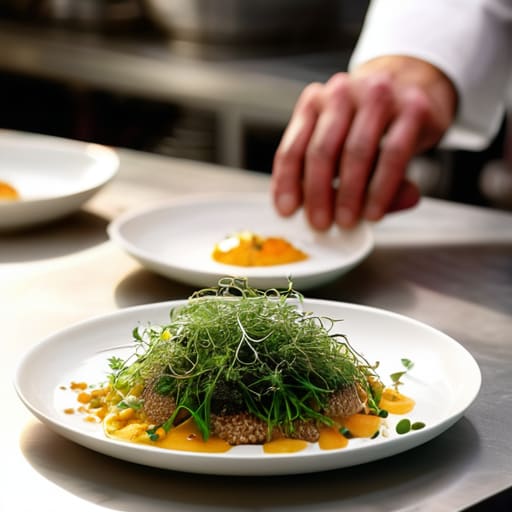
If you’re staring at a dinner menu and trying to slap a “Lunch Special” sticker on it, you’ve already lost the battle. A lunch menu isn’t just a smaller version of your evening service; it is a surgical tool designed for speed and survival. I used to see young chefs trying to offer twenty different options, thinking variety was a virtue. In reality, that’s just a recipe for a bloated prep list and a kitchen staff that’s running in circles. Real lunch menu engineering strategies are about narrowing your focus to dishes that use ingredients you’re already prepping for dinner, but can be plated in under six minutes.
You have to stop thinking about “choices” and start thinking about flow. Every extra ingredient you add to a midday dish is an extra minute of labor and an extra chance for something to rot in the walk-in. By tightening your selection, you aren’t just reducing food waste in daytime service; you are protecting your margins from the slow bleed of unnecessary prep. If a dish takes twelve minutes to get to the table during a rush, it doesn’t matter how delicious it is—it’s costing you money by killing your turnover.
Optimizing Restaurant Labor Costs Before the Afternoon Slump
The biggest mistake I see young owners make is treating the gap between lunch and dinner as a “rest period” where they can afford to be lazy with the rota. They aren’t. If you have three servers standing around polishing silverware while the dining room is empty, you aren’t resting; you’re burning through your margin. Optimizing restaurant labor costs isn’t about being stingy with your people—it’s about being smart with their hands. I always taught my team that if there isn’t a guest in a seat, there is prep to be done, or deep cleaning to be finished. You don’t pay someone to wait for the bell to ring; you pay them to ensure the room is ready for the next wave.
The real trick is finding that sweet spot of quick service operational efficiency without making your guests feel like they’re being ushered out by a bouncer. If your lunch crowd is mostly office workers on a forty-minute break, your staff needs to be synchronized like a Swiss watch. You need to cross-train your floor staff so that a server can jump on the till or help the kitchen with basic plating if a sudden rush hits. That flexibility is what keeps the service smooth and the labor costs from spiking when you least expect it.
The Quiet Killers: Five Ways You’re Losing Money Before 3 PM
- Stop offering the full dinner menu. If your kitchen is prepping thirty different components just to serve four people at 12:30, you aren’t running a lunch service; you’re running a charity for your food waste. Tighten the list to things that can be prepped in bulk and plated in three minutes flat.
- Watch your “special” orders like a hawk. Every time a customer asks for a modification that requires a chef to pull a different pan off the line or break a specific prep cycle, your margin on that plate evaporates. A lunch menu should be a well-oiled machine, not a custom workshop.
- Fix your staffing gaps, not your staffing levels. I’ve seen too many owners panic and throw an extra runner on the floor during a slow Tuesday, only to realize the real issue was a slow POS system or a disorganized side-station. Don’t add more hands; fix the hands you already have.
- Master the art of the “upsell without the script.” Your staff shouldn’t be reading from a manual about sparkling water; they should be knowing that if a table is in a rush, a quick recommendation of a pre-set salad or a specific soup can increase the check average without adding ten minutes to the table turn.
- Audit your “dead time” prep. If your team is standing around at 2:30 PM with nothing to do, they aren’t “resting”—they are costing you money. That time belongs to the heavy lifting: the deep cleaning, the prep for the evening rush, or the stock-taking that prevents a panicked, expensive order at 5 PM.
The Hard Truths to Carry Out of the Kitchen
Stop trying to be everything to everyone at midday; a tight, focused menu isn’t a lack of ambition, it’s how you stop your prep cooks from burning out and your food waste from eating your profit.
Your labor costs aren’t just about how many bodies are on the floor, but about the timing of your cuts—if you’re paying a full team to polish silver while waiting for the 12:30 rush, you’ve already lost the afternoon.
Profitability in lunch service is won in the details of the prep and the speed of the turnover, not in the complexity of the dish; if a plate takes twenty minutes to plate, it’s too expensive for a lunch ticket.
The Illusion of the Busy Lunch Hour
“A dining room full of people doesn’t mean you’re making money; it just means you’re busy. I’ve seen more small restaurants go under during a ‘successful’ lunch rush than during a quiet one, simply because they were turning tables faster than they were actually turning a profit. If you aren’t looking at the cost of the prep and the hourly rate of the person running the dish pit, you aren’t running a service—you’re just running a very expensive charity for your customers.”
Rosalind Achterberg
The Bottom Line
At the end of the day, a profitable lunch service isn’t about chasing every single customer who walks through the door; it’s about knowing which ones are actually worth the overhead. You can’t afford to chase the dream of a packed dining room if your prep cooks are standing around idle by 2:00 PM and your menu is so bloated that your food waste is eating your entire margin. It comes down to the basics: tightening your menu to focus on high-margin, low-complexity dishes and managing your labor hours with the same discipline you use to manage your inventory. If you aren’t looking at the math behind every plate and every shift, you aren’t running a restaurant—you’re just running a very expensive hobby.
Running a small room is a marathon, not a sprint, and the midday rush is often where the legs start to give out. But when you get the mechanics right—when the kitchen is efficient, the staff is paced correctly, and the menu actually makes sense for the bank balance—that’s when the magic happens. There is a profound, quiet satisfaction in seeing a service run like a well-oiled machine, where the profit is tucked away in the books rather than being thrown in the bin. Don’t let the pursuit of prestige blind you to the necessity of profit. Build a business that can actually afford to stay open, and the rest will take care of itself.
Frequently Asked Questions
I’ve trimmed my menu down to the essentials, but how do I stop my regulars from complaining that there’s "nothing new" to eat?
Listen, you can’t chase novelty at the expense of your bottom line, but you can chase variety. Stop thinking about “new dishes” and start thinking about “new iterations.” Keep your core menu stable, but swap out the seasonal components. A roasted chicken is a staple, but the garnish changes from summer peas to winter root vegetables. It’s the same prep, the same ordering rhythm, but it feels like a new experience to the person sitting in seat four.
If I'm cutting staff to save on labor, at what point does the service get so slow that I'm actually driving customers away?
You know you’ve gone too far when the “vibe” shifts from relaxed to neglected. It’s not about the steak being late; it’s about the empty water glass that sits there for twenty minutes because your one remaining server is drowning. When a guest has to flag someone down just to ask for the check, you aren’t saving on labor—you’re paying for your own funeral. You’re trading a few hours of wages for your entire reputation.
How do I figure out if my lunch service is actually making a profit once I factor in the hidden costs like extra prep time and midday utilities?
Stop looking at your gross sales and start looking at your prep sheet. If you’re burning three hours of prep time at 8:00 AM just to serve six sandwiches, you aren’t making money; you’re paying for the privilege of being tired. You need to calculate your “true cost per cover”—that means every kilowatt used for the ovens and every minute of labor spent prepping for a service that might not even happen. If the math doesn’t work, close the doors.
