 Written by
 Most people think learning how to eat out on a budget means hunting for “buy one, get one free” vouchers or settling for a soggy burger from a drive-thru. They treat dining out like a math problem to be solved with coupons, but they’re missing the point entirely. If you’re just looking for the cheapest calories possible, you aren’t dining; you’re just refueling. The real trick isn’t about finding a discount; it’s about understanding the mechanics of the menu so you can stop paying for the things that don’t actually matter, like overpriced cocktails or a massive wine list that’s mostly fluff.
I’m not going to give you a list of apps that promise you’ll save five pounds if you click a button. Instead, I’m going to tell you what I learned from twenty-six years of staring at my own profit and loss statements. I will show you how to spot the high-margin traps, why the “lunch special” is often a clever bit of psychological warfare, and how to navigate a menu like someone who actually knows what it costs to keep the lights on. This is about eating well without being a victim of the hype.
Why Happy Hour Dining Tips Are Your Best Defense
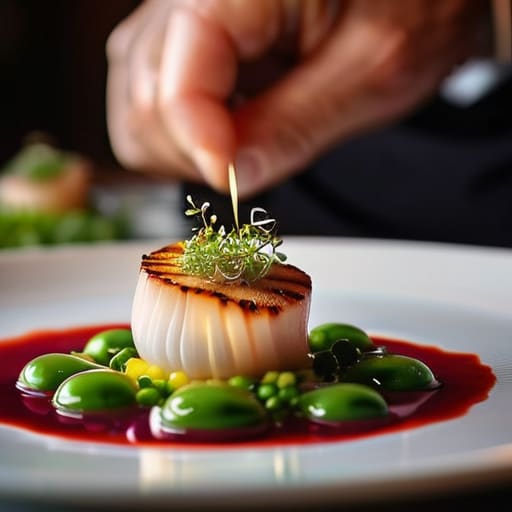
Most people treat happy hour like a frantic race to grab cheap booze before the prices jump back up at 7:00 PM. They’re missing the point entirely. If you want to actually eat well, you need to treat these windows as a strategic entry point into the kitchen’s best work. When I ran my place, we’d run a limited menu during those early hours—not because we were being stingy, but because it allowed us to prep high-quality ingredients in smaller batches, reducing waste and keeping the kitchen staff from burning out before the main rush.
Smart happy hour dining tips aren’t just about finding a half-price martini; they are about timing your visit to when the kitchen is most focused and the dining room is most relaxed. This is one of the most effective affordable dining out hacks because you are essentially paying for the “shoulder period” of the business. You get the same caliber of service and product, but you aren’t competing with a booked-out Saturday night crowd or a kitchen that is currently drowning in a sea of tickets. It’s the best way to see the true soul of a restaurant without the frantic energy of a peak service.
Finding the Best Value Dining Options Hidden in Plain Sight
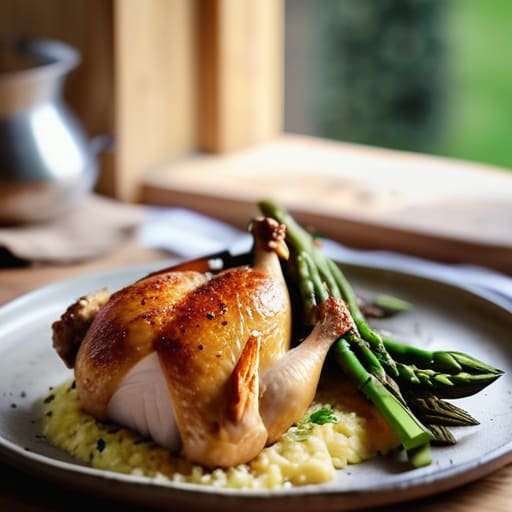
The secret to finding the best value dining options isn’t tucked away in a flashy social media ad; it’s usually sitting right there on the menu if you know how to read the math. I always tell people to look for the “anchor” dishes—the items that rely on seasonal, high-volume ingredients rather than imported truffles or Wagyu. A kitchen that excels at a simple, perfectly executed roast chicken or a seasonal risotto is often a kitchen with better margins and better training. When you focus on these staples, you aren’t just saving money on restaurant meals; you are supporting the places that actually know how to manage their food costs without cutting corners on quality.
Don’t get me started on those endless restaurant discount apps that promise a steal but often leave you feeling like a second-class citizen in a crowded room. If you want real results, look for the “neighborhood” spots that don’t feel the need to perform for the algorithms. These are the places where the owner is still checking the prep list at 4:00 PM. True value is found in the consistency of the service and the integrity of the ingredients, not in a digital coupon that expires in twenty minutes.
The Math of the Menu: Five Ways to Stop Overpaying for Dinner
- Learn to read between the lines of a menu. If a place offers twenty different mains, they aren’t being generous; they are likely sitting on massive amounts of wasted inventory and high food costs. Look for the restaurants with the tight, focused menus. A kitchen that only does five things well is managing its stock efficiently, which means your money is going toward quality ingredients rather than paying for the overhead of a walk-in fridge full of rotting specialty herbs.
- Master the art of the “bridge” meal. Most people blow their budget by trying to make every outing a full-scale event. I always tell my regulars: if you want the high-end experience without the bill, go for a substantial starter and a side dish instead of the heavy mains. You’ll get the same level of service and the same quality of produce, but you won’t be paying the “main course markup” that every restaurant uses to subsidize their slower shifts.
- Understand the real reason for the corkage fee. Don’t view it as a penalty; view it as a service charge. If you bring a special bottle, you aren’t just paying for the glass; you are paying for the labor of the sommelier, the glassware, and the lost profit on the restaurant’s own wine list. If you want to save, skip the fancy bottle and ask the server for the “house” pour that they actually trust. A good restaurant won’t be offended, and you’ll avoid the sting of a fee that’s designed to protect their bottom line.
- Timing is your greatest leverage. I’ve spent thirty years watching the difference between a Tuesday night and a Saturday rush. If you can swing a mid-week meal or an early seating, you aren’t just getting a quieter room; you are often tapping into a different pricing structure. Many places have “set menus” or prix fixe options that are much more economical, but they are designed to move tables quickly. If you aren’t in a rush, you can use that efficiency to your advantage.
- Stop paying for the “fluff” in the bill. Water, bread, and those little amuse-bouches might seem free, but they are part of the calculated cost of your meal. If you are on a strict budget, don’t be afraid to ask for tap water immediately. And for heaven’s sake, watch the bread basket. It’s a classic industry tactic to keep your appetite occupied while the bill climbs, but if you know you’re there for the food and not the ritual, you can keep your focus—and your wallet—under control.
The Real Math Behind the Bill
Stop chasing the “deals” on overpriced cocktails and start looking for the restaurants that master the mid-week prix fixe; it’s the only way to get high-quality ingredients without paying for the overhead of a Saturday night crowd.
Understand that a smaller, focused menu isn’t a limitation—it’s a cost-control strategy that usually means the food is fresher and the waste is lower, which is exactly where your money is better spent.
Respect the service charge but learn to spot the difference between a professional team and a disorganized one; a seamless, quiet service is often a sign of a well-managed business where you aren’t paying extra to subsidize poor training.
The Myth of the Bargain
Stop looking for the “cheap” menu and start looking for the menu that makes sense; a restaurant isn’t a charity, and if you try to squeeze a profit out of a kitchen by hunting for bottom-barrel prices, you’ll usually end up paying for it in poor service, exhausted staff, and a plate of food that tastes like it was prepared by someone who’s already clocked out.
Rosalind Achterberg
The Bottom Line
At the end of the day, eating well on a budget isn’t about deprivation or hunting for the cheapest possible calories; it’s about understanding the mechanics of the room. It’s knowing that a well-timed happy hour isn’t just a discount, but a way to help a restaurant fill seats during their leanest hours. It’s recognizing that the best value isn’t always found in a flashy tasting menu, but in those reliable, mid-week spots where the owner can afford to buy better ingredients because they aren’t paying for a marketing agency. If you learn to read the menu through the lens of operational reality, you stop being a victim of the bill and start being a savvy guest.
I spent twenty-six years balancing the books against the broiler, and if I learned one thing, it’s that the most memorable meals rarely require a second mortgage. The real magic happens when you find that sweet spot where the kitchen is respected, the staff is treated fairly, and you aren’t paying for the unnecessary theatre that usually comes with a high price tag. Go out, sit at the bar, watch how the service flows, and eat with intention. When you understand the business, you unlock the ability to enjoy the craft without breaking the bank.
Frequently Asked Questions
If I decide to skip the appetizers and drinks to save money, am I actually making the restaurant's job harder and potentially driving up the prices for everyone else?
You aren’t driving up prices, but you are thinning the margin. A restaurant lives on the “add-ons”—the cocktails, the side of truffle fries, the extra glass of Malbec. If you only order the main, you’re essentially asking us to cover our rent and staff wages on a single plate. It’s not a crime, but if you want to be a patron rather than just a customer, understand that the bread basket pays for the lights.
How can I tell if a "fixed-price" or prix fixe menu is a genuine bargain or just a clever way for the kitchen to offload ingredients they need to move before they spoil?
Look at the ingredients, not the price tag. A genuine prix fixe is a chef’s way of streamlining prep and controlling waste; it should feature seasonal stars that are easy to scale. If the menu relies on heavy creams, starches, or whatever protein was on sale at the wholesaler this morning, you’re being sold “inventory management” disguised as a deal. If the dishes feel repetitive or overly heavy, they aren’t feeding you—they’re clearing the walk-in.
Is it actually possible to eat well at a high-end establishment on a budget, or am I just paying for the tablecloths and the lighting?
You’re paying for the lighting, yes, but you’re also paying for the precision of the prep and the fact that the sous-chef isn’t rushing. If you want the skill without the linen tax, skip the tasting menu and order à la carte. Pick one standout main and a shared side. You’ll get the same technical mastery on the plate, but you won’t be subsidizing the cost of a centerpiece that’s mostly just expensive air.
