 Written by
 I’ve sat at enough tables to know that the most expensive bottle on a list isn’t always the best, and it’s certainly not the one that’s going to make you look the smartest. Most people approach a wine list like they’re taking a final exam they didn’t study for, paralyzed by the fear that if they don’t know the difference between a Nebbiolo and a Sangiovese, they’ll be judged. But let me tell you a secret from someone who used to balance the books: the intimidation is often manufactured. Learning how to choose wine in a restaurant shouldn’t be about memorizing vintage years or performing a ritual of pretension; it should be about understanding what’s actually in that glass and what it’s doing to your bill.
I’m not here to teach you how to sound like a sommelier or how to swirl your glass with unnecessary drama. Instead, I want to give you the view from the other side of the pass. I’ll show you how to read a list for value and intent, how to spot a markup that’s gone from reasonable to predatory, and how to talk to your server so you actually get what you want. We’re going to strip away the hype and focus on the practical reality of drinking well without being fleeced.
Decoding the Script Sommelier Tips for Beginners
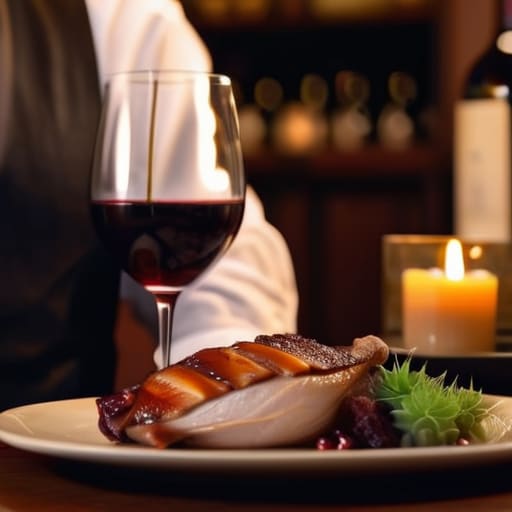
When you’re sitting there, staring at a leather-bound book that feels like it’s written in a dead language, remember that the person standing next to you isn’t your judge; they are your most valuable tool. Most people treat the wine service like a final exam, but I always told my staff: if a guest looks terrified, you’ve already lost the sale. When looking for sommelier tips for beginners, the best advice is to stop trying to sound clever. You don’t need to recite the soil composition of the Loire Valley to get a decent glass. Instead, tell them what you’re eating and what your budget is. If you tell a professional, “I’m having the duck and I don’t want to spend more than forty pounds,” they will find you something brilliant.
The real trick to reading a wine list is understanding that the staff wants you to enjoy yourself—because a happy guest orders another glass, and a happy guest returns. If they suggest a bottle that seems a bit steep, don’t take it personally; they are likely protecting a margin or managing a tricky vintage. If you’re feeling bold, ask them what the kitchen is excited about. Usually, that’s where the best value hides.
The Hidden Math of Ordering Wine by the Bottle
When you’re ordering wine by the bottle, you aren’t just paying for the liquid in the glass; you’re paying for the inventory sitting in a dark cellar, the breakage, the labor of the cellar master, and the risk of that bottle sitting there for three years without moving. In my old sixteen-cover room, I knew exactly which bottles were my “safety nets”—the reliable, high-margin staples—and which ones were the “prestige” bottles that lived on the top shelf to make the list look impressive. If you see a price jump that feels steep, it’s often because the restaurant is carrying the cost of the entire stock, not just your single pour.
The real trick to reading a wine list without feeling like you’re being fleeced is to look for the middle ground. The absolute cheapest bottle is often a way to cover the cost of the house, but the ultra-premium bottles are there to subsidize the rest of the cellar. I always tell people to look for the “sweet spot”—the bottles priced just above the entry-level options. That’s where you’ll find the best value, because those wines are chosen for their ability to actually work with the menu, rather than just being a status symbol.
Five Ways to Avoid a Bad Bottle (and a Bad Bill)
- Check the temperature before you commit. If you order a crisp Chablis and it arrives lukewarm, don’t just swallow it to be polite; tell the server. It isn’t being “difficult” to ask for a bucket of ice—it’s ensuring you actually get what you’re paying for, and a good floor manager would rather fix the temperature than let you leave a mediocre tip.
- Don’t fear the “House” label. In a well-run place, the house wine isn’t just the cheapest vinegar on the list; it’s often the bottle the owner knows they can source reliably and at a decent margin. If you aren’t looking to make a statement, the house pour is usually the safest bet for your wallet and your palate.
- Use the “By the Glass” strategy to test the waters. If you’re eyeing a particularly expensive bottle but aren’t certain it suits the food, order a single glass of it first. It costs you more per ounce, yes, but it’s a hell of a lot cheaper than being stuck with a full bottle of something that tastes like wet cardboard halfway through your main course.
- Match the price to the occasion, not the ego. I’ve seen people order a Grand Cru just to feel important, only to realize they’ve spent their entire evening worrying about the cost rather than the company. If you’re there for a Tuesday night bite, find a bottle that hits the sweet spot of the menu—usually right in the middle—where the markup is fair and the quality is consistent.
- Be honest about your budget with the staff. If you tell a waiter, “I’m looking for something under fifty pounds,” they won’t judge you; they’ll actually be able to do their job. The real nightmare for a server is a guest who says “surprise me” and then looks insulted when the bill arrives. Give them a boundary, and they’ll find you a gem.
The Real-World Rules of the Table
Stop hunting for the “perfect” label and start looking for the price-to-value sweet spot; the best bottle isn’t the most expensive one on the list, it’s the one that doesn’t make the restaurant’s margin bleed while still making you feel like you’ve won.
If the wine list is intimidating, skip the formal descriptions and ask the person pouring it what they’re actually drinking at the staff meal—that’s where you find the honest bottles that haven’t been inflated by marketing hype.
Remember that when you order a bottle, you aren’t just paying for the liquid; you’re paying for the glassware, the temperature control, and the labor of the person who has to ensure it doesn’t taste like vinegar by the time you reach your third glass.
## The Real Reason to Ask for a Tasting
“Stop trying to impress the person in the suit; if you’re worried about looking foolish, just ask the server what they’re actually pouring for themselves when the doors are locked. A sommelier can give you a lecture on tannins, but the person running the floor knows exactly which bottle in the cellar is actually worth the markup you’re about to pay.”
Rosalind Achterberg
The Last Pour
At the end of the day, choosing a wine isn’t about performing a ritual or proving you know your Bordeaux from your Burgundy. It’s about understanding the mechanics of the room. You now know that a bottle by the glass is often the smartest way to explore without breaking the bank, that the sommelier is your ally rather than a gatekeeper, and that the real value lies in finding those mid-range gems that don’t require a second mortgage. Remember, when you ask for a recommendation, you aren’t just asking for a liquid; you are asking the house to share its expertise. Whether you opt for the heavy hitters or the clever budget picks, the goal is to balance your palate with the restaurant’s reality.
I spent twenty-six years watching people freeze up when the wine list arrived, terrified of making a “wrong” choice. Let me tell you a secret from the other side of the pass: there is no such thing as a wrong bottle, only a wasted opportunity. If you enjoy what is in your glass, you have succeeded. Don’t let the fear of a bad pairing or a high price tag rob you of the evening. Go in, ask the questions, and drink with intention. After all, the wine is just the guest of honor at a much larger party, and you are the one who decides how the night feels.
Frequently Asked Questions
If I find a bottle on the list that is a steal at the wine shop, how do I bring it in without feeling like I'm being difficult or getting hit with an unfair corkage fee?
Look, don’t make it a battle. If you see a gem on their list, just ask the manager before you sit down. “I have a special bottle I’ve been saving; what’s your corkage policy?” is all you need to say. Most places have a set fee to cover the glass, the service, and the lost sale. If they say no, don’t push it. They aren’t being mean; they’re just paying rent.
When a waiter suggests a much more expensive bottle than what I was looking at, are they actually trying to help my palate, or are they just trying to fix their nightly sales targets?
Let’s be honest: it’s usually a bit of both. A good server wants you to enjoy the meal—because a customer who loves their wine comes back—but they’re also staring at a target. If they’re pushing a massive jump in price, they’re chasing a margin. But if they say, “This one is actually much better value for the quality,” listen. They might be trying to save you from a mediocre bottle that’s just high-priced fluff.
Is it actually better to order by the glass if I'm dining alone, or am I just paying a massive markup for the convenience of not finishing a whole bottle?
Look, if you’re dining alone, stop feeling guilty about the markup. You aren’t just paying for the convenience; you’re paying for the inventory risk. A restaurant has to buy that entire bottle upfront, and if it sits there gathering dust, it’s dead money. Ordering by the glass lets them rotate stock and keeps their cash flow moving. It’s more expensive per ounce, yes, but it’s the only way to enjoy three different styles without wasting a drop.
