 Written by
 I remember a Tuesday night in my old dining room, just as the lull was setting in, when a young manager decided to “rebrand” our atmosphere by blasting a trendy deep-house playlist at a volume that made the silverware rattle. He thought he was being cutting-edge, but all he was doing was making my regulars lean across the table like they were sharing state secrets just to be heard. People don’t come to a sixteen-cover room to fight a subwoofer; they come to connect. If you think you can mask a lack of service with a loud beat, you’ve fundamentally misunderstood how music affects a restaurant and, more importantly, your profit margins.
I’m not here to talk to you about “curating a vibe” or spending a fortune on high-end acoustic engineering that you don’t actually need. I want to talk about the math of the room. I’m going to tell you how a tempo change can actually nudge a table to order that second bottle of Bordeaux, and why a poorly timed playlist is just as much a waste of overhead as a spoiled crate of sea bass. We’re going to look at the real mechanics of sound—from the way it masks a noisy kitchen to how it dictates your turnover—without any of the industry fluff.
The Psychology of Background Music in Dining
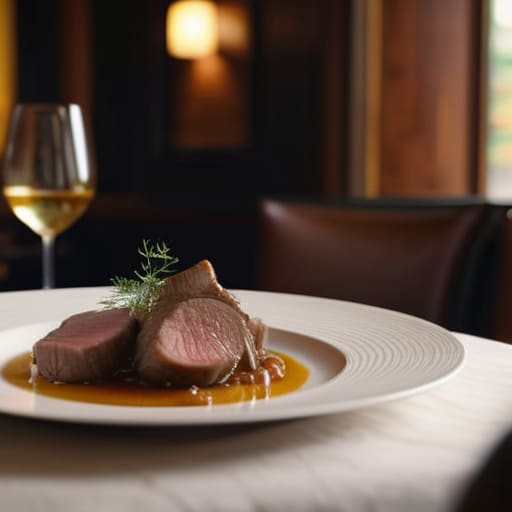
People think they’re coming to my old dining room for the braised lamb, but they’re actually reacting to the air around them. There is a profound psychology of background music in dining that most owners ignore until their labor costs spike. If you play something with a frantic, high-BPM beat, you aren’t just “bringing energy”—you are subconsciously signaling to your guests that it is time to chew faster and move along. It’s a subtle, invisible hand on their shoulder.
I learned the hard way that there is a direct tempo and dining speed correlation that dictates your profit margins. High-tempo tracks might feel lively during a busy Friday rush, but they act like an eviction notice for your high-spending regulars who want to linger over a second bottle of Bordeaux. Conversely, if the room is too quiet, the sound of clattering cutlery and loud chewing becomes a distraction that ruins the appetite. You aren’t just playing songs; you are curating restaurant soundscapes to manage the physical rhythm of the room. If you get it wrong, you’re essentially fighting against your own service flow.
Curating Restaurant Soundscapes Without Breaking the Bank
You don’t need a boutique agency or a monthly subscription to a high-end sonic branding service to get this right. Most people think “curating restaurant soundscapes” requires a massive budget, but it’s actually about discipline and knowing your margins. If you’re running a tight ship, you can’t afford to let a cheap, generic playlist run for six hours straight; it’s a drain on the room’s energy. Instead, invest in a decent, dedicated streaming service that handles licensing so you aren’t looking over your shoulder for a copyright inspector. The real cost isn’t the subscription—it’s the lost revenue when the wrong genre makes your dining room feel like a waiting area.
I always tell young owners to watch the clock. There is a direct tempo and dining speed correlation that you can use to your advantage without spending a dime extra on hardware. During the frantic mid-week lunch rush, lean into something slightly more rhythmic to encourage a steady flow. But when the evening service slows down and you want those high-margin dessert and digestif orders, you dial it back. It’s about managing the audio environment and table turnover through subtle shifts, not expensive gadgets.
Five Ways the Wrong Beat Bleeds Your Profits
- Watch your tempo, not just your genre; if you play high-tempo tracks during a busy Friday rush, you’ll turn your dining room into a frantic canteen, driving up table turnover but killing the sense of occasion that allows you to charge premium prices.
- Stop treating music as a way to fill silence and start treating it as a tool for pacing; low-tempo, soulful jazz in the early evening encourages that second bottle of red, while a sudden shift to something upbeat too early can inadvertently signal to your guests that it’s time to settle the bill and leave.
- Mind the volume relative to the room’s acoustics, because if a diner has to lean across the table like they’re sharing state secrets just to hear their partner, they aren’t relaxing—they’re working, and people don’t return to places where they have to work.
- Curate for the demographic you actually have, not the one you wish you had; playing trendy deep house to a room full of regulars who came for quiet conversation isn’t “vibey,” it’s an insult to their loyalty and a quick way to ensure they find a new local.
- Invest in a decent, zoned sound system rather than relying on a single, booming Bluetooth speaker in the corner; a restaurant needs “wash,” not “impact,” and if the music is hitting one table like a physical weight while another sits in dead silence, your atmosphere is broken before the first course even leaves the pass.
The Bottom Line of the Beat
Music isn’t just “ambience”—it is a silent manager that dictates your table turnover, controlling how quickly people finish their wine and whether they stay for a second round or head for the door.
A bad playlist is a hidden operational cost; if the volume is too high, you’re forcing your staff to shout, which burns them out and makes every mistake in the kitchen feel twice as loud.
Don’t chase trends or expensive licensing hacks to sound “cool”; your music should serve the room’s rhythm, ensuring the tempo matches your service speed so your staff can actually breathe between rushes.
The Invisible Staff Member
“You can hire the finest sommelier in the city, but if your playlist is pumping out heavy bass at 7:00 PM, you’ve already lost the table; music isn’t just ‘ambience,’ it’s a silent floor manager that either dictates how fast people drink their wine or makes them want to stay for that second bottle.”
Rosalind Achterberg
The Final Note
At the end of the day, music isn’t some decorative garnish you sprinkle over a meal to make it feel “vibey.” It is a functional tool, as essential to your service as a sharp knife or a clean linen. If you get it right, it manages the flow of the room, keeps the pace of the kitchen in sync with the diners, and subtly nudges the guest toward that second bottle of red. If you get it wrong, you aren’t just playing bad songs; you are actively sabotaging your turnover and making your staff’s job twice as hard. Whether you’re using a high-end system or a carefully curated playlist on a budget, remember that every beat has a direct impact on your bottom line.
I spent twenty-six years watching how a sudden shift in tempo could either soothe a disgruntled regular or send a nervous new couple scurrying for the check. Don’t let the industry hype fool you into thinking you need a DJ to create an atmosphere. You just need to listen—really listen—to the room you’ve built. A restaurant is a living, breathing thing, and the music is its heartbeat. Treat it with the same respect you give your ingredients, and you’ll find that the right sound doesn’t just fill the silence; it makes the dining experience whole.
Frequently Asked Questions
How do I find the balance between creating a "vibe" and actually letting my customers hear each other talk?
You’re looking for the “sweet spot,” but most owners mistake volume for energy. If I have to lean across the table to hear my husband, the vibe is dead, no matter how trendy the playlist is. You want a sonic cushion, not a wall. Test it: sit in your dining room during a rush and try to hold a conversation. If you’re shouting, you’re losing money; people won’t return to a place where they have to work to eat.
At what point does the volume level stop being atmosphere and start becoming a reason for a table to skip the dessert menu?
The moment a guest has to lean across the table to hear their partner, you’ve lost them. When conversation becomes a competition with the speakers, the brain shifts from “relax and enjoy” to “exert effort.” People don’t order dessert when they’re working that hard just to exist in the room. You aren’t selling a vibe anymore; you’re selling a headache, and no amount of chocolate fondant can fix that.
Is it actually worth the investment to move beyond a basic Spotify playlist, or am I just throwing money at a problem that doesn't exist?
Look, if you’re just playing “Chill Lo-Fi Beats” to fill the silence, save your money. But if you think a random shuffle is a strategy, you’re leaving money on the table. A basic playlist doesn’t account for the rush at 7:00 PM or the lull at 9:00 PM. You aren’t paying for “music”; you’re paying for tempo control. If the music doesn’t match the service pace, your staff will trip over themselves and your guests will feel the friction.
