 Written by
 I remember a Friday night in 2004, standing in the middle of my sixteen-seat dining room, clutching a handwritten ledger that was more ink-smudge than actual data. We had a party of six arrive for a reservation that simply didn’t exist, and as I watched my chef’s face turn a dangerous shade of crimson, I realized that the “magic” of hospitality is often just a desperate scramble to fix a clerical error. People talk about software like it’s some divine intervention, but if you want to understand how restaurant booking systems work, you have to stop looking at the shiny interface and start looking at the chaos they are designed to prevent. It isn’t about fancy digital calendars; it’s about the thin, vibrating line between a profitable service and a kitchen staff that wants to walk out the back door.
I’m not here to sell you on the latest high-priced subscription or the bells and whistles that look good in a sales demo. I’m going to tell you what these systems actually do to your floor plan, how they protect your margins, and why a “seamless” interface can sometimes be the fastest way to ruin a dining room. We’ll strip away the marketing fluff and look at the mechanics of the business, from managing turn times to the real cost of an automated cancellation.
Real Time Availability Tracking and the Art of the Floor Plan
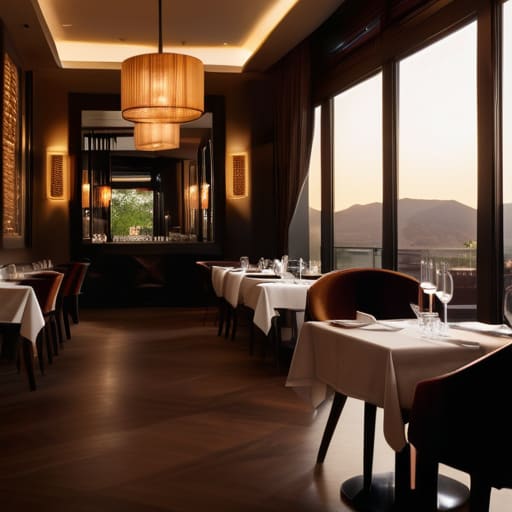
When I ran my sixteen-cover place, the “floor plan” was a mental map etched into my brain by twenty years of service. I knew exactly which table wobbled, which one caught the draft from the door, and precisely how long a party of two would linger over espresso before they were actually ready to leave. Today, people think real-time availability tracking is just about seeing empty chairs on a screen, but it’s actually about managing the heartbeat of the room. A good system doesn’t just count seats; it understands the geometry of a dining room. It knows that you can’t just shove a party of six into two separate tables without making them feel like they’re dining in a hallway.
The real magic of modern automated table management isn’t the fancy interface; it’s the ability to prevent the “collision” that ruins a service. You know the one—where the kitchen is suddenly slammed with three large orders at once because the system didn’t stagger the arrivals. It’s about protecting the rhythm of the kitchen just as much as the comfort of the guest. When the software does its job, the floor feels fluid, and the staff isn’t constantly playing catch-up with a dining room that feels like it’s bursting at the seams.
Online Reservation Software Features That Stop the Bleeding
When I ran my sixteen-cover place, a “no-show” wasn’t just a missed meal; it was a hole in the floor that sucked the profit right out of the room. You can prep the most exquisite duck confit in the world, but if the person who ordered it never walks through the door, you’ve lost the ingredient cost, the labor, and the potential revenue from that seat. This is where modern online reservation software features actually earn their keep. It’s not about the shiny interface; it’s about the automated SMS reminders and the ability to take a deposit.
A smart system acts as a bit of a disciplinarian, reducing restaurant no-shows by making the commitment feel real to the guest. I also look closely at how a system handles integrated payment processing for dining. If a guest has to put a card down to secure a Friday night slot, they are ten times more likely to show up. It’s a cold way to look at hospitality, I know, but it’s the only way to ensure the lights stay on and the staff actually gets paid at the end of the week.
Five Things Your Software Won't Tell You (But Your Floor Manager Will)
- Don’t let the algorithm dictate your pacing; a system might see an empty table at 6:00 PM as a win, but if it stacks four bookings for 7:30 PM, your kitchen is going to hit a wall and your service will collapse.
- Watch your “no-show” protections like a hawk, because a credit card hold isn’t about being greedy—it’s about the fact that a missed table for four is a hole in your revenue that you can’t just patch with a walk-in at the last minute.
- Integration is the only thing that matters; if your booking system doesn’t talk to your POS, you’re just paying for a digital diary that forces your staff to do double the manual entry and double the mistakes.
- Use the data to find your real regulars, not just your loudest ones; a good system should tell you that Mr. Henderson comes in every third Thursday, so you can have his preferred corner table ready before he even clicks ‘reserve.’
- Always keep a manual override ready; no piece of software understands the nuance of a local festival or a sudden rainstorm quite like the person standing behind the pass, so never let the computer have the final say on your floor plan.
The Bottom Line: What You’re Actually Buying
A booking system isn’t a luxury gadget; it’s a tool to prevent the “dead hour” where you’re paying staff to stare at the walls, and the “crush” where you’re losing money because the kitchen can’t keep up.
Stop looking for bells and whistles and start looking for something that protects your margins by automating the small stuff, like deposit captures and no-show fees, so you aren’t left holding the bill for a ghost table.
The best technology is the kind that stays out of the way—it should give you the data you need to plan your prep and your rotas without turning your front-of-house team into data entry clerks.
The Ghost in the Machine
A booking system isn’t just a digital ledger of names and dates; it’s the invisible hand that keeps your kitchen from drowning and your staff from burning out. If the software is doing its job, you won’t notice it at all—you’ll just notice that the dining room feels calm, the pacing is steady, and nobody is shouting for a waiter who hasn’t been given a moment to breathe.
Rosalind Achterberg
The Ghost in the Machine
At the end of the day, a booking system isn’t some magic wand that conjures profit out of thin air. It is a tool for managing the chaos that happens between the front door and the pass. When you get it right, you aren’t just tracking numbers on a screen; you are protecting your margins and, more importantly, your people. You are ensuring that the kitchen doesn’t get hit with twelve covers at once when they only have the hands for six, and you are making sure that the dining room feels full without feeling frantic. It’s about the invisible math of optimizing the floor so that every seat is an opportunity rather than a liability.
If you are running a small room, remember that technology should serve the hospitality, not the other way around. Don’t get so caught up in the bells and whistles of a shiny new interface that you forget the person sitting at table four. The best systems are the ones that stay in the background, allowing you to look your guests in the eye instead of staring at a tablet. Use these tools to build a foundation of stability, but never let them replace the human intuition that tells you when a table needs a moment of peace or a glass of wine. A system can manage a reservation, but only you can manage a guest.
Frequently Asked Questions
If I switch to an automated system, am I going to lose that personal touch that keeps my regulars coming back?
The short answer is: no, unless you let the machine do your thinking for you. A booking system isn’t a replacement for hospitality; it’s a tool to clear the administrative clutter off your desk so you can actually look your regulars in the eye. If the software tells you Mrs. Higgins prefers the corner table and hates shallots, use that. Automation handles the math; you handle the soul. Don’t automate the connection, just automate the logistics.
How do these systems actually handle the nightmare of a double-booking when the internet goes down or the staff forgets to check the tablet?
The short answer? They don’t. A piece of software can’t fix a human who hasn’t looked up from their phone, or a router that’s decided to quit mid-service. That’s why I always told my staff: the tablet is a tool, not the boss. You still need a physical diary—a real, paper one—stashed in the office. When the Wi-Fi dies and the screen goes black, that book is the only thing standing between you and a dining room full of very angry people.
What’s the real cost of these platforms—not just the monthly subscription, but the hidden time it takes to train a new server to actually use them correctly?
The monthly fee is the easy part; that’s just another line item on the P&L. The real cost is the “learning tax.” You aren’t just paying for software; you’re paying for the twenty minutes every new server spends staring blankly at a tablet instead of watching their guests. If they don’t master the interface, they miss the subtle cues—the empty water glass or the look of a guest ready for the check—and that’s where you lose your margin.
