 Written by
 Most people will tell you that a tasting menu is a poetic journey of discovery, a curated sequence of culinary art designed to dazzle your senses. They’re selling you a dream, but they aren’t telling you that it’s actually a high-stakes math problem played out on a tablecloth. I’ve spent thirty-eight years watching chefs try to balance the scales between “ambition” and “the ability to pay the electric bill,” and frankly, most of the advice you find online is fluff. If you’re looking for a complete guide to tasting menus that treats you like a wide-eyed tourist, you’ve come to the wrong place; I’m here to tell you why that twelfth course is often a desperate attempt to justify a price tag that should have been met at course six.
I’m not going to wax lyrical about “flavor profiles” or “culinary visions.” Instead, I’m going to pull back the curtain on the logistics of luxury. We’ll talk about why the number of courses matters more than the ingredients, how to spot a menu that’s actually worth your hard-earned money, and what happens in the kitchen when a guest sends a dish back mid-sequence. This is the unvarnished reality of the tasting menu—from the perspective of the woman who used to balance the books after the last plate was cleared.
The Choreography of Course Progression in Tasting Menus
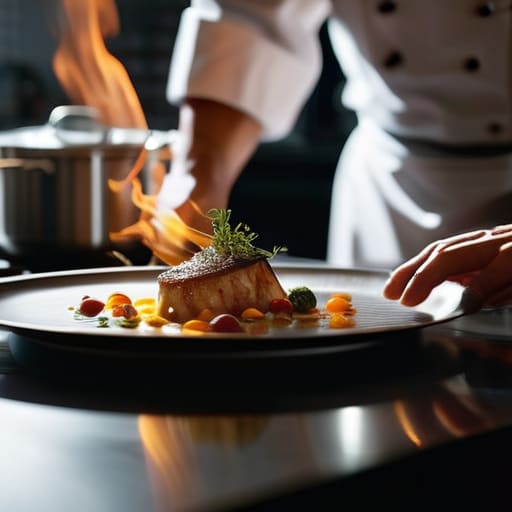
When people talk about the choreography of a tasting menu, they usually focus on the plating or the way a waiter glides between tables. But from where I used to stand, behind the pass, that choreography is actually a desperate, high-speed exercise in timing and temperature. If the kitchen falls behind by even six minutes, the entire multi-course meal structure collapses like a poorly made soufflé. You aren’t just eating food; you are participating in a sequence where the heat of the third course must perfectly meet the arrival of the fourth, or the whole rhythm is lost.
The real magic—and the real stress—lies in the course progression in tasting menus. It’s a delicate balancing act of acidity, fat, and weight. If a chef pushes a heavy, cream-based dish too early, they’ve essentially hijacked the rest of the evening; you’ll be too full to appreciate the subtle nuances of the seafood that follows. It’s not just about culinary creativity; it’s about managing the guest’s physical capacity. A successful service is one where you finish the final course feeling satisfied, not defeated by a mountain of expensive ingredients.
Omakase vs Tasting Menu Choosing Your Culinary Gamble
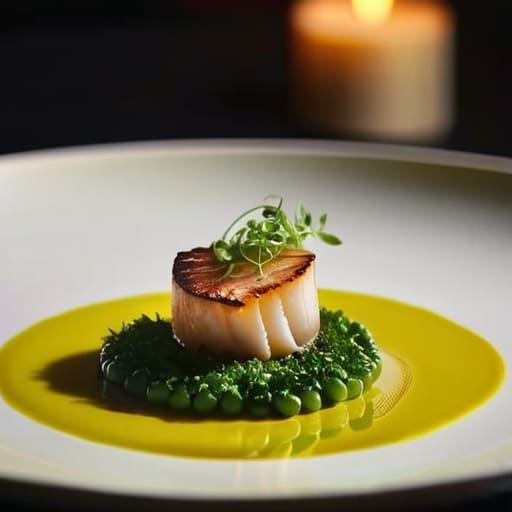
People often treat “omakase” and “tasting menu” as interchangeable terms, but from where I used to sit behind the till, they represent two entirely different business models and psychological contracts. A tasting menu is a structured promise. The chef has designed a specific multi-course meal structure intended to lead you from point A to point B, usually with a heavy emphasis on a curated narrative. You know what you’re getting into, even if you don’t know the specific ingredients. It’s a controlled environment where the kitchen has calculated exactly how much prep, how many hands, and how much expensive protein they need to buy to make the math work by dessert.
Omakase, on the other hand, is a leap of faith. When you choose omakase, you aren’t just ordering dinner; you are handing the keys of your evening to the chef. There is no safety net of a printed menu to guide your expectations. In the context of omakase vs tasting menu, the difference is one of agency. In a tasting menu, the chef is performing a rehearsed piece; in omakase, they are improvising based on what arrived in the morning’s delivery. One is a calculated architectural feat, while the other is a high-wire act of real-time culinary intuition.
Five Things to Consider Before You Hand Over Your Credit Card
- Check the pace, not just the ingredients. A tasting menu is a marathon, not a sprint, and if the kitchen is running a skeleton crew on a Tuesday, those twelve courses will arrive with the rhythmic grace of a car crash. Ask if the seating is staggered; you don’t want to be stuck in a three-hour limbo because the person at the table next to you ordered three bottles of vintage Bordeaux.
- Mind the “hidden” math of beverage pairings. A wine pairing is a luxury, but it’s also a massive line item on your bill that can easily double your total. If you’re a regular drinker, bring your own bottle—just check the corkage fee first. I always told my staff: a fair corkage fee isn’t a penalty; it’s what pays for the glassware, the polished linen, and the person who has to spend twenty minutes decanting your Cabernet.
- Don’t be afraid to speak up about your limits. If you have an allergy or a genuine dislike, tell them when you book, not when the third course hits the table. In a kitchen running a tight, pre-prepped tasting menu, a last-minute substitution isn’t just a minor inconvenience; it’s a disruption to the entire line’s timing and a potential hit to their food cost margins.
- Look past the “storytelling” and evaluate the value. Chefs love to talk about the “narrative” of a menu, but I want to know if the protein on the plate justifies the price tag. If you’re paying three hundred pounds for a meal, you aren’t just paying for the truffle shavings; you’re paying for the labor, the rent, and the fact that the chef had to spend six hours prepping a single reduction.
- Timing is your responsibility, too. When you commit to a tasting menu, you are essentially renting a seat in that dining room for a set block of time. If you arrive late or linger long after the final crumb is cleared, you aren’t just being “leisurely”—you are physically preventing the restaurant from turning the table and making the next booking. Respect the clock, and the service will respect you.
The Real Cost of the Tasting Menu
A tasting menu is a high-stakes math problem for the kitchen; every extra course adds labor, plate-washing, and prep time that must be balanced against the price of the seat.
Don’t mistake a long menu for a generous one; a smart chef limits the number of dishes to ensure the kitchen staff doesn’t break under the pressure of simultaneous service.
When you choose a tasting menu, you aren’t just paying for ingredients, you are paying for the chef’s ability to manage the logistics of your evening without the wheels coming off the wagon.
The Hidden Ledger of the Tasting Menu
People talk about tasting menus as if they are a gift of pure artistry, but from where I sit, they are a high-stakes math problem where the chef is betting the entire night’s profit on whether you’ll actually finish that twelfth course without leaving a mountain of expensive protein on the plate.
Rosalind Achterberg
The Final Bill
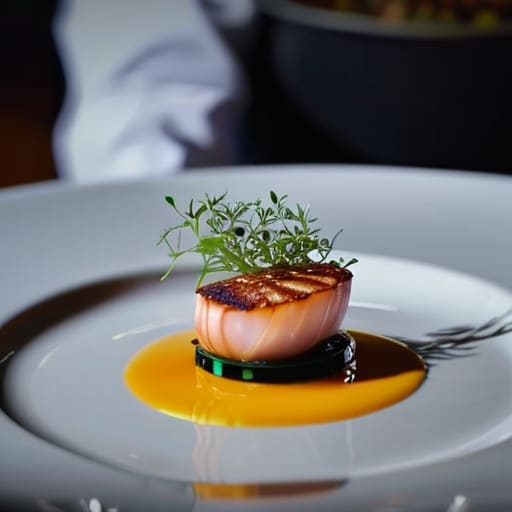
At the end of the day, a tasting menu is a complex machine built on a foundation of precision, timing, and a fair amount of bravado. We’ve looked at how the progression of courses is a delicate dance of flavor, the high-stakes difference between a chef’s curated vision and the spontaneous gamble of Omakase, and the sheer logistical mountain a kitchen climbs to make twelve courses feel like a single, seamless thought. But remember, when you sit down at that table, you aren’t just paying for the ingredients on the plate; you are paying for the invisible infrastructure—the prep cooks who started at dawn, the meticulous inventory management, and the razor-thin margins that allow a chef to dream this big. It is a calculated symphony of risk and reward, both for the person cooking and the person eating.
So, the next time you find yourself staring at a menu that promises a journey, don’t just look for the most expensive protein or the trendiest technique. Look for the cohesion. Look for the way the service moves around you without disrupting your conversation. A truly great tasting menu shouldn’t feel like a marathon you’re being forced to run; it should feel like a story being told specifically to you. Go into it with an open mind, but keep your eyes on the room. Because when the math, the labor, and the art finally align, that is when you realize you aren’t just having dinner—you are witnessing the very best of what this industry can be.
Frequently Asked Questions
If I have a specific allergy or a strong dislike, will a tasting menu actually accommodate me, or am I just paying for a meal I can't finish?
If you wait until you’re sitting down to mention a shellfish allergy, you’ve already lost. A tasting menu is a rigid, pre-calculated machine; the prep is done days in advance. If you notify them when booking, they can pivot. But if you just “dislike” fennel or cilantro, don’t expect a miracle. To a chef, a dislike is a disruption to the rhythm. You’ll likely get a substitution, but you’ll also be paying for the labor of a bespoke meal.
How can I tell if a tasting menu is actually worth the premium price tag, or if it’s just a way for a kitchen to offload surplus ingredients?
Look at the ingredients, not the plating. If you see the same three seasonal vegetables appearing in different textures across five courses, they aren’t “showcasing versatility”—they’re managing inventory. A menu worth the premium shows intentionality, where every dish requires a specific, high-cost component that couldn’t be substituted. If the middle courses feel like “filler” designed to stretch your satiety until the expensive protein arrives, you aren’t dining; you’re just helping them clear the walk-in.
Is it better to book a tasting menu for a special occasion, or am I better off ordering à la carte to keep control over the pace and the bill?
If you want to celebrate, go for the tasting menu. It buys you the one thing money usually can’t: a predictable, uninterrupted rhythm. You aren’t watching the clock or the waiter’s face, worrying if a second glass of wine will push you over the edge. But if you’re prone to “ordering for the table” or have a strict budget, stick to à la carte. A tasting menu is a fixed contract; à la carte is a conversation.
