
 Written by
 I once sat in a corner of a high-end bistro, watching a woman spend ten minutes composing a scathing, performative lecture to a nineteen-year-old server because her risotto was slightly too firm. She wasn’t just unhappy; she was treating the dining room like a courtroom, and the poor kid was clearly drowning. Most people think knowing how to handle a disappointing meal means mastering the art of the polite complaint or, conversely, writing a venomous one-star review from the comfort of your sofa. But let me tell you, the truth is much messier than that. A bad plate isn’t usually a sign of malice; it’s usually a sign of a broken system, a tired line cook, or a delivery driver who was twenty minutes late with the shallots.
I’m not here to teach you how to be a critic, because quite frankly, most critics have never had to balance a payroll. Instead, I want to give you the perspective of someone who has stood behind the pass when everything went wrong. I’ll show you how to navigate a mistake without making someone’s life miserable, how to distinguish between a genuine failure of standards and a simple human error, and when it’s actually worth speaking up.
Managing Dining Expectations Before the First Bite
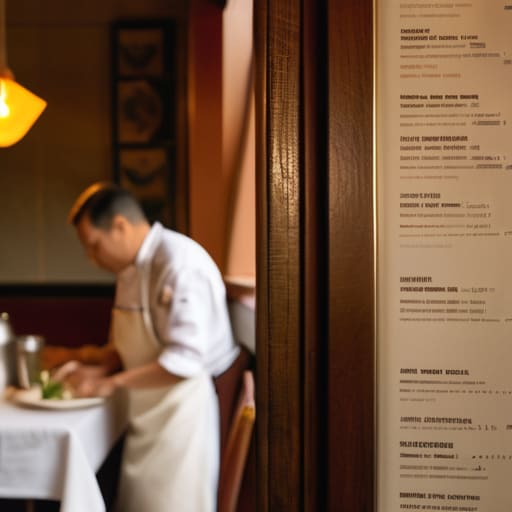
Most people walk into a restaurant with a mental script written by a glossy Instagram feed or a glowing review from a friend who clearly wasn’t paying attention to the noise levels. They arrive expecting a seamless performance, but a restaurant is a living, breathing organism that is constantly fighting against broken refrigerators, late deliveries, and staff who called in sick. Managing dining expectations starts the moment you look at the menu. If you see a list of forty items, you should immediately brace yourself; that kitchen is likely overstretched and playing a dangerous game of catch-up.
I’ve learned that the best way to avoid a sense of betrayal is to read the room before you even sit down. Is the lighting dim because it’s atmospheric, or because they’re trying to hide the dust on the moldings? Is the service brisk because they’re efficient, or because they’re down two runners and scrambling to keep the floor from collapsing? When you approach a meal with a bit of healthy skepticism rather than blind entitlement, you aren’t being cynical—you’re being prepared. You aren’t just there to eat; you’re observing a complex machine in motion.
Dealing With Bad Culinary Experiences Without Making a Scene

Look, I’ve been on both sides of that tension, and I know the feeling: your stomach sinks when the risotto arrives gummy or the sea bass is bone-dry. Your instinct might be to huff, cross your arms, and stare at the ceiling, but that is the fastest way to turn a kitchen from a busy workshop into a hostile environment. When it comes to communicating with waitstaff politely, remember that the person standing there is rarely the one who burned the butter or overcooked the protein. They are just the messenger, often caught between a frantic chef and a frustrated guest.
If the dish is truly inedible, catch their eye—don’t wave your hands or make a spectacle—and speak quietly. A simple, “I’m so sorry, but this isn’t quite right; it’s a bit cold,” is infinitely more effective than a public indictment of the chef’s talent. You aren’t looking for a fight; you are looking for a solution. Most of the time, a professional kitchen will want to make it right immediately because they know a returned plate is a bruise to their pride and their bottom line. Treat the error as a system failure, not a personal insult, and you’ll find the service recovers much faster.
The Post-Mortem: How to Walk Away Without Leaving a Bitter Taste
- Know when to call the time. If the main course is a disaster and the service is a shambles, don’t sit there through three courses of expensive disappointment just to “get your money’s worth.” You aren’t getting your money’s worth; you’re just paying for the privilege of being unhappy. If the system is broken, leave.
- The “Manager” isn’t a boogeyman. If something is genuinely wrong—a piece of meat that’s gone rubbery or a wine that’s turned—ask to speak to the person running the floor. Not to demand a free meal, but because they need to know the kitchen or the cellar has failed. A good manager wants to fix the leak before the whole boat sinks.
- Respect the math of the kitchen. If you send a dish back because it’s undercooked, understand that you’ve just thrown a wrench into a very tight-moving machine. It’s okay to ask for a remake, but don’t do it because you’ve decided you’d rather have the risotto instead of the sea bass. That’s not a mistake; that’s just indecision, and it costs the kitchen time they don’t have.
- Use the feedback loop, not the shouting match. A kitchen is a high-stakes environment where people are working on their feet for twelve hours straight. If you want a restaurant to improve, tell them clearly and calmly. A quiet, firm “this isn’t what I expected” is a thousand times more useful to a chef than a loud, public tantrum.
- Leave a note, not a grudge. If the meal was truly a failure but the staff were trying their best, write a polite, specific email or leave a review that focuses on the logistics. Tell them the seasoning was off or the timing was staggered. That’s data they can actually use to fix their business; a one-star review that just says “terrible” is just noise that helps no one.
The Bottom Line: How to Leave the Table Without Leaving a Grudge
Remember that a mistake is usually a failure of the system, not a personal insult; if the kitchen is underwater, a calm word to the floor staff is worth ten times more than a scathing review written in a huff.
Know when to cut your losses and when to speak up, because if the core of the meal—the protein or the seasoning—is fundamentally broken, you aren’t being “difficult” by asking for a fix, you’re simply asking for the service you’re paying for.
Don’t let one bad service ruin your appetite for the industry; even the best kitchens have nights where the wheels come off, and sometimes the most professional thing you can do is pay the bill, walk out, and let the manager deal with the fallout in private.
The Reality of the Broken Plate
When a dish fails, don’t treat it like a personal insult; treat it like a breakdown in the machine. A kitchen is a delicate, high-pressure ecosystem of prep lists and timing, and sometimes the gears simply grind. If you spend the night stewing in silent resentment, you aren’t just ruining your own evening—you’re missing the chance to help them fix the very system that let you down.
Rosalind Achterberg
The Final Bill

At the end of the day, handling a disappointing meal isn’t about being a “difficult customer” or a saint; it’s about understanding the mechanics of the room. You’ve learned that managing your expectations through research, communicating clearly without causing a scene, and recognizing when a mistake is a systemic failure rather than a personal slight are the tools of a seasoned diner. Remember, a kitchen is a high-stakes machine of timing, labor, and razor-thin margins. When you speak up, do it because you want the problem solved, not because you want to win a battle. If the food is wrong, address it early, because silence is the most expensive thing a restaurant can pay for, and it leaves them unable to fix the very thing that’s costing them your loyalty.
I spent twenty-six years behind the pass, and I can tell you that the most memorable diners weren’t the ones who demanded the world, but the ones who treated the staff like human beings navigating a difficult shift. We all fail occasionally—a sauce breaks, a server forgets a table, a shipment of fish doesn’t arrive. Don’t let one lukewarm plate or a slow pour ruin your love for the ritual of eating out. Hold onto your standards, keep your notebook ready, and keep seeking out those small, hardworking rooms that still get it right. After all, the goal isn’t just to find a perfect meal, but to find a place worth returning to, even when they stumble.
Frequently Asked Questions
When is it actually worth the awkwardness of sending a dish back, and when should I just swallow my pride and move on?
If the dish is fundamentally wrong—undercooked poultry or a soup that’s gone sour—send it back. That isn’t being difficult; it’s a matter of safety and basic competence. But if the truffle oil is a bit heavy-handed or the sea bass is slightly overdone, let it go. A kitchen is a high-pressure machine, and constant micro-corrections exhaust a staff without actually fixing the system. If it’s edible and decent, just enjoy your wine.
If I’ve already paid the bill and realized the meal was subpar once I’m home, is there any point in saying anything at all?
Don’t bother calling the restaurant to complain; once the till is closed and the staff have gone home, your grievance is just noise. If you really want to help, send a polite, private email to the owner or manager. Don’t vent about the salt; tell them exactly what went wrong—the timing, the temperature, the service. It’s the only way they can fix the system before the next service begins.
How do I tell the difference between a kitchen having a genuine "bad night" and a restaurant that has simply lost its standards?
A bad night is a hiccup; a loss of standards is a rot. If the sauce is broken or the steak is overdone, but the server is mortified and the kitchen tries to make it right, that’s a system under pressure. But if the errors feel casual—if the seasoning is lazy and the staff seems bored by the mistakes—the soul has left the building. One is a temporary lapse; the other is a decision.
