 Written by
 I remember a Saturday in mid-July, the kind of night where the humidity in the kitchen makes the air feel like warm soup and the printer won’t stop screaming. I was standing at the pass of my old sixteen-cover room, watching a junior chef freeze because three different orders for the sea bass hit the rail at the exact same second. Most hospitality consultants will tell you that the secret to how to manage a busy service is a fancy new POS system or a complex “flow-state” seminar, but they’ve clearly never had to wipe sweat from their eyes while a table of four demands their wine now. The truth isn’t found in a manual; it’s found in the quiet, brutal decision-making that happens when everything is going wrong.
I’m not here to sell you on expensive software or management theories that fall apart the moment a dishwasher walks out. Instead, I’m going to tell you how to hold the line when the pressure mounts, focusing on the unsexy realities of staffing, timing, and keeping your head. We’ll talk about what actually keeps a kitchen moving and why the best way to survive the rush is to protect your people as much as your plate margins.
Restaurant Workflow Optimization Is a Math Problem Not a Feeling
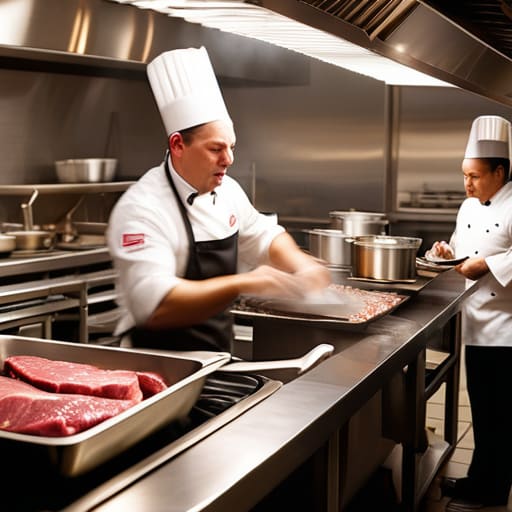
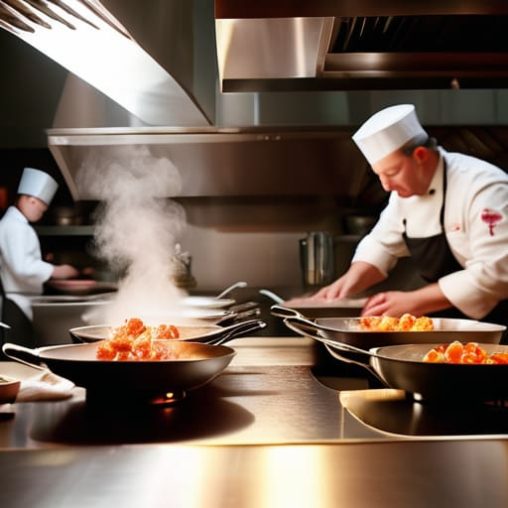
People love to talk about the “soul” of a service or the “vibe” of a dining room, as if hospitality is some mystical energy you can just summon when the clock hits seven. It isn’t. When the tickets start hitting the rail like a machine gun, you don’t need a management seminar or a pep talk; you need a system that works. Real restaurant workflow optimization is a cold, hard math problem. It’s about calculating exactly how many minutes it takes for a busser to clear a table, how long a steak needs to rest before it’s safe to carry, and how many covers your kitchen can actually handle before the quality drops off a cliff.
If you’re relying on “feeling” your way through a Friday night, you’ve already lost. You have to look at the numbers: the gap between the check being paid and the next party being seated, or the specific seconds wasted when a waiter has to walk all the way back to the POS because they forgot the side of olives. Improving table turnover rates isn’t about rushing the guests or making them feel unwelcome; it’s about eliminating the friction that keeps a chair empty for ten minutes too long. Every empty seat during a rush is a leak in your bucket, and you can’t fix a leak with good intentions.
Minimizing Customer Wait Times to Protect Your Fragile Margins
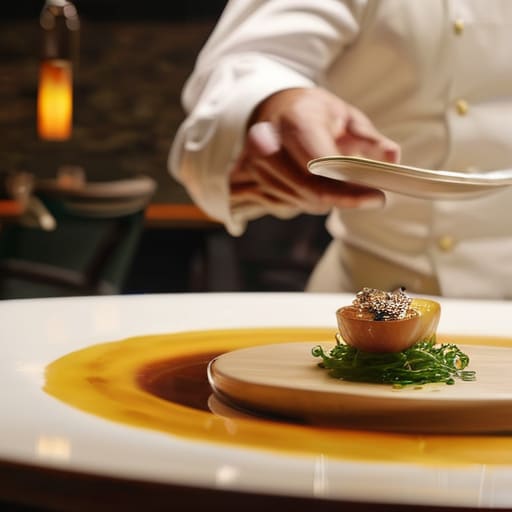
Everyone talks about “guest experience” as if it’s some ethereal, magical thing, but in a room with limited covers, guest experience is actually just timing. When a table sits for an extra fifteen minutes because the kitchen is lagging or a server forgot to run the bread, you aren’t just losing a bit of goodwill; you are bleeding cash. Every minute a table sits empty or lingers past its slot is a direct hit to your bottom line. Improving table turnover rates isn’t about rushing people out with the check—that’s amateur hour and it’s rude—it’s about minimizing customer wait times through better preparation before they even sit down.
If your water glasses are empty and your menus are sticky, you’ve already lost the rhythm. True front of house efficiency happens in the quiet moments between the rushes, when the prep is done and the stations are set. When you’re managing peak hour rushes, the goal is to keep the momentum moving so smoothly that the guest never feels the friction. If they have to ask for the bill, you’ve already failed the math.
The Survival Kit: Five Things That Keep a Service From Falling Apart
- Stop trying to be everywhere at once. If you’re running around the dining room trying to fix a dropped fork while the pass is drowning, you’ve already lost. You need to pick your battles: fix the immediate crisis, but keep your eyes on the rhythm of the kitchen. A manager’s job during a rush isn’t to do the work; it’s to ensure the work doesn’t stop.
- Protect your most expensive asset: your staff’s mental bandwidth. When the tickets start hitting the rail like a machine gun, the last thing a cook needs is a chef hovering over their shoulder asking about a garnish. Give them the space to execute. A panicked kitchen is a wasteful kitchen, and waste is just money being thrown directly into the bin.
- Master the art of the “controlled delay.” If a table is waiting too long for their mains, don’t just apologize profusely—that’s empty air. Give them something tangible. A round of drinks on the house or a small, quick snack from the pass buys you ten minutes of grace. It’s much cheaper to give away a bowl of olives than it is to lose a regular because they felt ignored.
- Learn to read the “silent” signals. A good service isn’t about the loud complaints; it’s about noticing the table that has been staring at an empty water glass for five minutes or the waiter who has gone suspiciously quiet. When a staff member goes silent, they aren’t being efficient—they’re drowning. Catch them before they break.
- Simplify the menu when the pressure mounts. If you see your kitchen staff starting to trip over themselves, it’s usually because your prep was too ambitious for the hands you have on duty. You can’t run a complex, twelve-component dish when you’re short-staffed on a Friday night. It is better to serve five perfect plates than twelve mediocre ones that leave your margins—and your reputation—in the gutter.
The Real Cost of a Messy Service
Stop treating your staff like a revolving door; a chaotic service is usually just the sound of an exhausted team that hasn’t been given a clear enough system to succeed.
Every minute a table lingers past its turn isn’t just “good hospitality”—it’s a hole in your pocket that prevents you from seating the next paying guest.
If you find yourself constantly “firefighting” during a rush, you haven’t mastered service; you’ve just become an expensive, high-stress babysitter for your own floor.
The Invisible Math of the Rush
People think a busy service is a test of how fast your runners can move, but it’s actually a test of how well you’ve planned for the inevitable. If your kitchen is screaming and your floor staff are sweating, it isn’t because you lack passion; it’s because your prep list was a suggestion rather than a law, and you’ve let the chaos win before the first ticket even hit the rail.
Rosalind Achterberg
The Quiet After the Storm
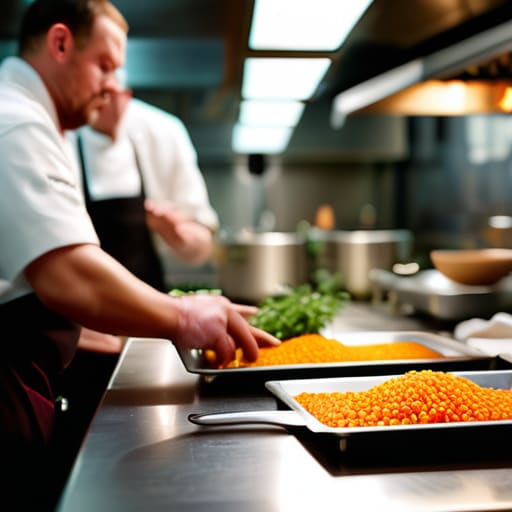
At the end of the day, managing a rush isn’t about some grand, sweeping vision of hospitality; it’s about the unglamorous, granular reality of controlling the variables. You have to respect the math of your prep lists, the physics of your floor plan, and the brutal reality of your labor costs. If you don’t tighten the screws on your workflow before the first ticket hits the rail, you aren’t running a restaurant—you’re just presiding over a slow-motion train wreck. You cannot wish your way out of a bottleneck, and no amount of charming table-side manner will fix a kitchen that is fundamentally under-resourced or over-extended.
When the lights finally dim and the last glass is polished, don’t just look at the till to see if you made your margin. Look at your team. If they are standing there hollow-eyed and broken, you didn’t manage a service; you simply survived it, and that is a debt you will eventually have to pay back with interest. The goal is to build a machine that is efficient enough to be profitable, but human enough to endure. A successful service isn’t measured by how much chaos you fought through, but by how much of your sanity and your staff’s dignity you managed to keep intact by the time the doors lock.
Frequently Asked Questions
How do I stop my best servers from burning out when the Friday night rush turns into a three-hour marathon?
You don’t stop burnout by offering a “team building” pizza party. You stop it by protecting their rhythm. When the rush turns into a marathon, the mistake is letting the floor become a free-for-all. You need to step in—not to take over their tables, but to clear the path. Run the heavy lifting: clear the dead plates, restock the garnishes, and handle the difficult “can I speak to the manager” types. If they’re fighting the dishes, they aren’t serving the guests. Give them breathing room, or you’ll be hiring a replacement by Monday.
At what point does "multitasking" stop being a skill and start becoming the reason my kitchen is losing money on wasted prep?
Multitasking stops being a skill the second you start “eyeballing” prep instead of weighing it. In a small kitchen, multitasking is often just a polite word for being scattered. When you’re trying to sauce a pan while simultaneously checking a delivery and answering a phone, you aren’t being efficient; you’re inviting error. You stop seeing the trim on the beef or the spoilage in the walk-in because your brain is spread too thin to notice. That’s where the profit leaks out.
How do I handle a table that’s lingering too long when I have a full dining room and a waiting list breathing down my neck?
The “lingering table” is the silent killer of your second turn. You can’t kick them out—that’s how you get a one-star review and a ruined reputation—but you can manage the tempo. It’s about the subtle cues: clearing the crumbs, offering the check before they even ask, and transitioning from “service” to “closing.” If they’re still there, they’re costing you a seat, a margin, and a very stressed-out floor manager.
