 Written by
 Most people think a complete guide to restaurant etiquette should be about which fork to use for your salad or how to properly fold a napkin when you stand up. Honestly, that’s nonsense; it’s just performance art for people with too much time on their hands. After twenty-six years of running my own sixteen-seat dining room, I’ve learned that true etiquette has nothing to do with being fancy and everything to do with being aware of the living, breathing machinery around you. The real rules aren’t written in some dusty manual about silver service; they are about the unspoken respect between the person paying the bill and the person trying to keep the kitchen from collapsing during a Saturday rush.
I’m not here to teach you how to act like royalty; I’m here to teach you how to be a sensible guest. I want to show you the practical realities of dining—the kind of knowledge you only get from standing on the other side of the pass, watching a service spiral because a table decided to ignore the clock. We’ll skip the fluff and get straight to the human cost of bad manners, from the way you handle a wine list to why your timing matters more than your table settings.
Fine Dining Table Manners and the Silent Language of Cutlery
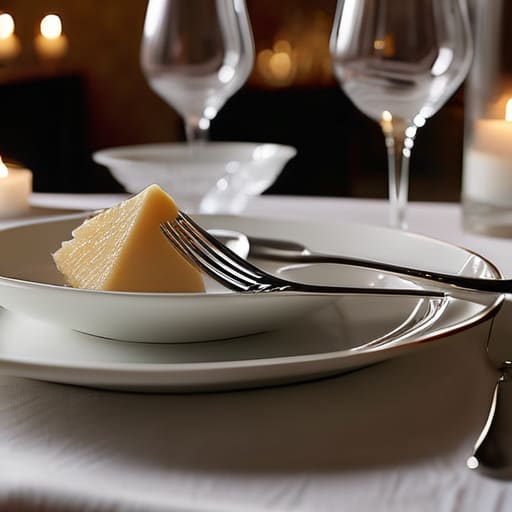
People often treat fine dining table manners like a high-stakes performance, as if one wrong move with a fork will trigger a formal expulsion. It isn’t. To me, the real purpose of cutlery placement rules isn’t to show off your schooling; it’s to provide a silent, efficient language between you and the floor staff. When you rest your knife and fork in the ‘resting’ position, you aren’t just being polite—you are telling the server, “I am still engaged, please don’t clear this plate yet.” It saves them from that awkward, hovering dance where they aren’t sure if you’ve finished or are just contemplating your life choices.
The same goes for proper napkin usage. A napkin isn’t a decorative prop; it’s a tool for discretion. If you have to dab your mouth or handle a bit of rogue sauce, do it quickly and quietly. If you need to step away, leave the napkin on your chair, not the table. Leaving it on the table signals you’re done, which is a signal the staff takes as a command to clear everything and move on. In a tight dining room, clarity is the highest form of courtesy.
Proper Napkin Usage to Avoid Breaking the Service Flow
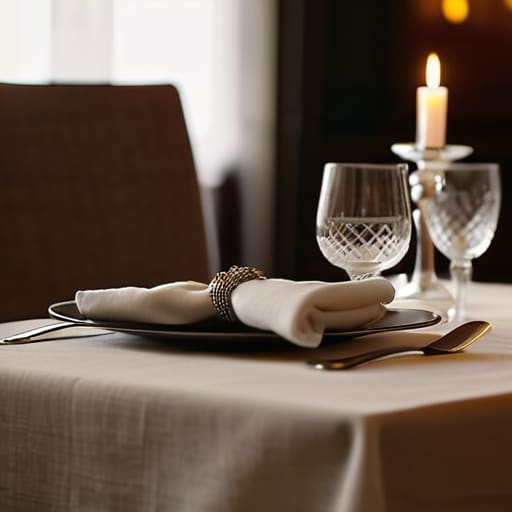
People treat a napkin like an afterthought, but to a server, it’s a silent signal. When you first sit down, that linen belongs on your lap—not tucked into your collar like a toddler. It isn’t just about looking polished; it’s about respecting the rhythm of the room. If you need to step away from the table, even for a moment, don’t leave the napkin crumpled on your chair or stuffed under your plate. Place it loosely on the seat. It tells the staff you’re coming back, preventing them from clearing your setting prematurely and disrupting your flow.
When the meal is finally over, that’s when the real communication happens. Placing the napkin neatly to the left of your plate is the universal sign that you are finished. It’s a subtle part of proper napkin usage that keeps the service moving without a single word being exchanged. If you’re practicing dining etiquette for business meetings, this small gesture is vital; it signals the end of the transaction without you having to interrupt a deal to ask for the check. It’s about being part of the service, not an obstacle to it.
The Real Rules: How to Be a Guest Without Becoming a Burden
- Respect the “Last Seating” boundary. If the menu says last orders are at 9:00 PM and you stroll in at 8:55, don’t act surprised when the kitchen is already pulling the pans. You aren’t just ordering food; you are asking a tired crew to reset their entire workflow for you. If you’re late, be prepared to eat quickly or eat what’s left.
- Master the art of the “quiet signal.” If you need the check, don’t wave your hands or call out across the room like you’re hailing a cab. A simple, sustained nod toward your server or a small hand gesture is enough. My best floor managers could read a customer’s eyes from twenty feet away; don’t force them to hunt you down.
- Stop treating your server like a vending machine. They are part of a high-stakes dance involving timing, temperature, and razor-thin margins. When you ask for a recommendation, listen. When they tell you a dish is off because the prep wasn’t right, believe them. A little empathy for the person carrying the tray goes further than a massive tip ever will.
- Mind the “Table Footprint.” This isn’t just about not putting your feet on the chair; it’s about your belongings. A handbag sprawling across the aisle or a laptop taking up two seats isn’t just messy—it’s a physical hazard for a server carrying a tray of hot soup through a crowded room. Keep your gear contained so the service can actually move.
- Understand that “service charge” isn’t a suggestion. In many places, that percentage is what keeps the lights on and the wages predictable. If you had a truly seamless experience where the water stayed full and the timing was perfect, leave the gratuity as intended. If you’re going to nitpick the service, do it privately with the manager, not by penalizing the person who actually did the work.
The Real Bottom Line of Dining Etiquette
Etiquette isn’t about performing for a Michelin star; it’s about managing the rhythm of the room so the staff can actually do their jobs without tripping over your expectations.
Every “small” breach of protocol—from a misplaced napkin to a confusing signal with your cutlery—is a micro-distraction that costs a busy server precious seconds and mental energy.
True dining grace is recognizing that the staff are part of the service, not invisible machinery, and that your behavior directly dictates how much care they can afford to give your table.
The Real Purpose of Etiquette
People think etiquette is about knowing which fork to use, but it’s actually about respect for the machinery behind the meal. True dining etiquette is simply the art of being a guest who doesn’t make the person running the floor want to walk out the door mid-service.
Rosalind Achterberg
The Real Goal of the Meal
At the end of the day, all these rules about which fork to grab or where to lay your napkin aren’t about performing for some invisible judge of high society. They are about operational efficiency. When you understand the silent language of the table, you aren’t just being polite; you are helping the floor manager keep the rhythm, preventing the kitchen from stalling, and ensuring the server can focus on the food rather than cleaning up a preventable mess. Etiquette is simply the grease that keeps the gears of a busy dining room turning without grinding to a halt. If you respect the tools, the timing, and the flow, you aren’t just a customer—you are a partner in the service.
I spent twenty-six years watching people come and go, and the ones I remember most fondly weren’t the ones who knew the most about vintage Bordeaux. They were the ones who realized that a restaurant is a delicate, living ecosystem of people trying their best to make magic happen under pressure. So, go out and enjoy your meal. Eat the bread, enjoy the wine, and don’t sweat the small stuff too much. Just remember that behind every beautifully plated dish is a team of humans working on a knife’s edge. If you treat the room with a bit of common-sense grace, you’ll find that the hospitality you give back is always returned in kind.
Frequently Asked Questions
If I’m dining at a small, family-run place rather than a white-tablecloth establishment, do these rules still apply or am I just being difficult?
The rules change, but the respect doesn’t. In a white-tablecloth room, etiquette is about precision; in a family-run spot, it’s about rhythm. You don’t need to worry about the exact angle of your fish knife, but please, don’t be the person who turns a quiet Tuesday into a chaotic production. If you’re loud, slow to order, or treat the staff like scenery, you aren’t being “relaxed”—you’re just making their very thin margins even harder to manage.
How do I handle it when the service is clearly struggling—is it more polite to stay quiet or to flag something down?
If the kitchen is drowning or the floor is short-staffed, the kindest thing you can do is be a “low-maintenance” table. Don’t flag someone down for a minor grievance or a missing side of butter when you can see the sweat on the server’s brow. If there’s a genuine error, catch an eye gently—don’t wave your arms like you’re hailing a taxi. Patience isn’t just polite; it’s how you help a struggling team survive the shift.
At what point does "being a polite diner" turn into "being a nuisance" for the staff working a busy shift?
It’s when your “politeness” starts requiring more management than the food. If you’re asking for a fresh set of cutlery every five minutes, or requesting a detailed lecture on the provenance of every single herb while the kitchen is mid-rush, you’ve crossed the line. A polite diner is invisible; a nuisance is someone who treats the staff like an extension of their own entertainment. Respect our time, and we’ll respect your meal.
