 Written by
 I remember a Friday night in my old sixteen-seater, the kind where the air is thick with steam and the frantic rhythm of a service running hot. A server, bright-eyed but rushed, confidently told a guest that the risotto was nut-free, forgetting that the chef had used a shared spoon to stir a separate batch of pesto just minutes prior. That moment—the sudden, cold realization that a single lapse in concentration could change a life—is why most textbooks on the subject feel like they were written by people who have never actually stood in a kitchen during a rush. You don’t need a glossy manual full of corporate jargon; you need a complete guide to allergen management that understands the reality of a busy pass and the terrifying weight of a customer’s trust.
I am not here to give you a lecture on compliance or a list of legalities that will only gather dust in your office. Instead, I’m going to tell you how to build a system that actually works when the tickets are piling up and the staff is exhausted. We will talk about the real costs of cross-contamination, from the wasted ingredients to the irreparable damage to your reputation, and I’ll show you how to train a team that treats an allergy with the gravity it deserves.
Why Food Safety Protocols Are Your Only Real Insurance
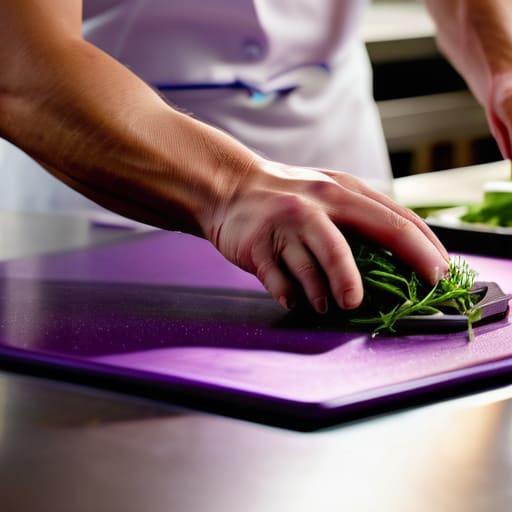
People talk about insurance like it’s just a monthly premium you pay to a broker to keep the lawyers away. But in a kitchen, your real insurance isn’t a piece of paper in a filing cabinet; it’s your food safety protocols. I’ve seen owners treat allergen management like a box-ticking exercise for the inspectors, right up until the moment a customer turns blue in the dining room. By then, the paperwork is useless. Real protection comes from the discipline of the line—the way a chef handles a separate cutting board or the way a commis understands that a single stray crumb can end a career.
It’s about preventing allergen cross-contact before it ever reaches the pass. You can have the most expensive liability policy in the city, but it won’t stop the heartbreak of a mistake or the reputation of your dining room from evaporating overnight. I’d rather spend my time training my team to respect the ingredients than spend my retirement dealing with the fallout of a preventable tragedy. You don’t build a business on luck; you build it on the systems that keep people safe.
The Hidden Math of Preventing Allergen Cross Contact
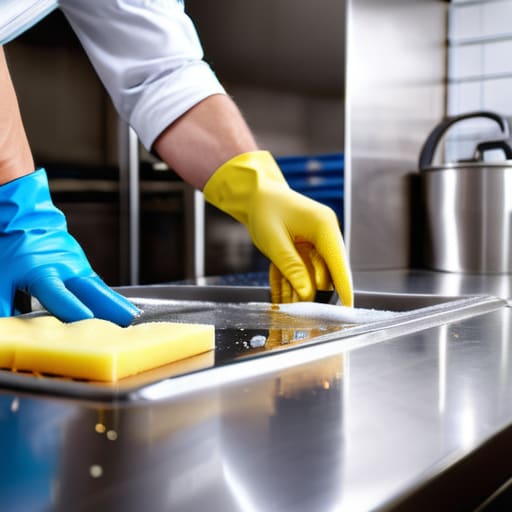
When people talk about the cost of running a kitchen, they usually point to the rising price of butter or the electricity bill. They rarely talk about the math of preventing allergen cross-contact. To do it right, you aren’t just buying ingredients; you’re paying for the extra time it takes to scrub a prep station twice, the cost of keeping separate, color-coded utensils, and the price of the specialized training that ensures your line cook doesn’t treat a shared spatula like a universal tool. It’s a quiet, invisible drain on your labor hours, but it’s the only way to keep the lights on.
If you try to cut corners here, you aren’t saving money—you’re just gambling with your margin. A single mistake doesn’t just mean a returned plate; it means a potential medical emergency that will haunt your reputation and your bank account for years. Implementing rigorous allergen management systems isn’t about being “extra”; it’s about recognizing that safety is a fixed overhead, just like your rent. You don’t budget for a disaster, but you certainly pay for the discipline required to avoid one.
Five Hard Truths for Keeping Your Kitchen Safe (and Your Business Open)
- Stop treating the allergy ticket like a special request. It’s not a “preference” for someone who doesn’t like onions; it is a medical directive. When a server brings an allergy requirement to the pass, the kitchen needs to treat it with the same gravity as a fire alarm. If the line cooks think it’s just another modification, you’ve already lost.
- The “Clean Spoon” rule is a lie if you aren’t actually cleaning the station. I’ve seen too many cooks grab a fresh pan but use the same tongs that just touched a pesto containing pine nuts. You don’t just need clean equipment; you need a dedicated, sanitized “allergy zone” where the cross-contamination risk is physically removed from the chaos of the main line.
- Your front-of-house staff shouldn’t be guessing, and they certainly shouldn’t be apologizing. If a waiter says, “I think it’s fine,” they have failed you. Every single person on the floor needs to know the ingredients of your house staples by heart, or they need to know exactly how to go to the chef and ask without looking like they’ve never stepped foot in a dining room.
- Watch your prep cooks during the morning rush. That’s when the real danger lives. A bag of flour left open near a gluten-free prep station or a shared cutting board that hasn’t been properly scrubbed between tasks is how mistakes happen. Most accidents don’t happen during the heat of service; they happen in the quiet, distracted moments of prep.
- Don’t let your suppliers become your blind spot. You might think your bread is safe, but if the bakery changed their recipe or their facility without telling you, your menu is a lie. You have to audit your labels as often as you audit your bank statements. If you aren’t reading the fine print on every delivery, you’re playing Russian roulette with your customers’ lives.
What I Wish I’d Known Before the First Emergency
An allergen protocol isn’t just a binder gathering dust in the office; it is your only line of defense when a frantic guest asks if the pesto contains pine nuts, and your prep cook is halfway through a rush.
You cannot “manage” your way out of a disorganized kitchen; if your storage isn’t as disciplined as your menu, cross-contact is an inevitability, not a possibility.
The real cost of a mistake isn’t just the legal bill or the lost revenue—it’s the crushing weight of knowing you’ve broken the fundamental trust that keeps a dining room alive.
The Price of a 'Just in Case'
People think allergen management is about following a checklist to satisfy an inspector, but it’s actually about the heavy, quiet responsibility of knowing that a single ‘I think it’s fine’ from a tired commis chef can end a life and a business in the same service.
Rosalind Achterberg
The Bottom Line on Safety
At the end of the day, allergen management isn’t some bureaucratic hoop you jump through to satisfy a health inspector; it is the very foundation of your reputation. We’ve talked about the math, the cross-contact risks, and the staggering cost of a single error, but it all boils down to one thing: trust. When a guest tells you they have a life-threatening allergy, they aren’t looking for a polite nod; they are handing you their life and asking you to handle it with care. You can have the most exquisite menu in the city and the most talented chef on the line, but if your systems are sloppy, you don’t have a restaurant—you have a liability.
Running a kitchen is a constant battle against chaos, and I know how tempting it is to cut corners when the printer is screaming and the dining room is full. But remember that the best service isn’t just about the speed of the plates or the temperature of the wine; it is about the quiet, invisible confidence that every person in those seats is safe. Don’t aim for perfection because it looks good on a checklist; aim for it because integrity is the only thing that keeps the doors open when the trends change. Do it right, do it every single time, and your guests will return not just for the food, but for the peace of mind you provide.
Frequently Asked Questions
How do I actually train a kitchen team to take this seriously when they're in the middle of a Friday night rush?
You don’t train them during the rush; you train them when the kitchen is quiet and the prep is being done. If you wait until the Friday tickets are screaming, you’re just hoping for luck, and luck isn’t a management strategy. You make it part of the muscle memory during prep—color-coded boards, dedicated stations, the works. When the pressure hits, they shouldn’t be “thinking” about allergens; they should just be doing what they’ve already practiced a thousand times.
Is it even possible to run a profitable small kitchen if I'm constantly slowing down service to double-check every single ingredient?
It’s a fair question, and the short answer is yes—but only if you stop treating “checking” like an emergency brake and start treating it like a system. If you’re slowing down mid-service, your prep is failing you. You don’t double-check during the rush; you double-check during the mise en place. If your ingredients are pre-labeled, separated, and the kitchen flow is built around them, safety becomes silent. Speed comes from certainty, not from rushing.
At what point does a "reasonable precaution" become a massive legal liability that I can't afford to defend?
It becomes a liability the moment you stop treating “precaution” as a system and start treating it as a suggestion. If you’re relying on a chef’s “gut feeling” or a server’s “I think that’s fine” instead of a written, verified process, you’ve already lost. The law doesn’t care about your good intentions; it cares about your documentation. Once you skip a step to save thirty seconds during a rush, you aren’t being efficient—you’re gambling with your life savings.
