
 Written by
 I remember a Tuesday night in my old sixteen-cover room, watching a young couple linger over a single espresso for forty minutes while the kitchen staff hovered like ghosts near the pass. To the dining room critic, it looked like “relaxed atmosphere,” but to me, it felt like watching my profit margin evaporate into the steam of the coffee machine. People talk about table turning as if it’s some sophisticated piece of hospitality magic, but they miss the gritty reality of how table turning works in a room where every chair represents a mortgage payment. It isn’t about being rude or rushing a guest through their main course; it’s the invisible, frantic math happening behind the scenes that determines whether you can afford to pay your dishwasher on Friday.
I’m not here to give you the sanitized, textbook version of management theory that they teach in those shiny culinary academies. I want to talk about the actual mechanics of the floor—the delicate, often uncomfortable balance between making a guest feel cherished and ensuring the business doesn’t bleed out from a single slow table. I’ll tell you why a perfectly timed check is an act of service rather than an insult, and how to master the timing without losing your soul.
The Hidden Cost of Improving Service Efficiency
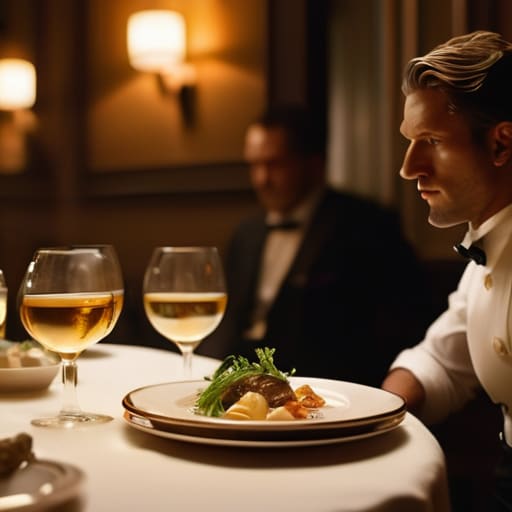
When people talk about improving service efficiency, they usually frame it as a triumph of logistics, like a well-oiled machine. But in a small dining room, efficiency has a human friction that doesn’t show up on a spreadsheet. If you push your staff to shave ten minutes off every course to help with optimizing seating capacity, you aren’t just moving plates faster; you are asking your waiters to stop being hosts and start being assembly line workers. You’ll see it in the way they stop making eye contact, or how they stop asking if the sea bass was cooked to your liking because they’re already eyeing the clock for the next reservation.
The real danger is that you end up sacrificing the very thing people pay for: the feeling of being looked after. You can manipulate your average dining duration all you want to squeeze in an extra booking, but once the atmosphere turns frantic, your regulars will feel it. They won’t complain that the math is wrong; they’ll just stop coming. A restaurant that runs too “efficiently” often loses its soul, trading long-term loyalty for a few extra covers that rarely make up for the cost of a quiet room next month.
Why Optimizing Seating Capacity Is Not Just About Chairs
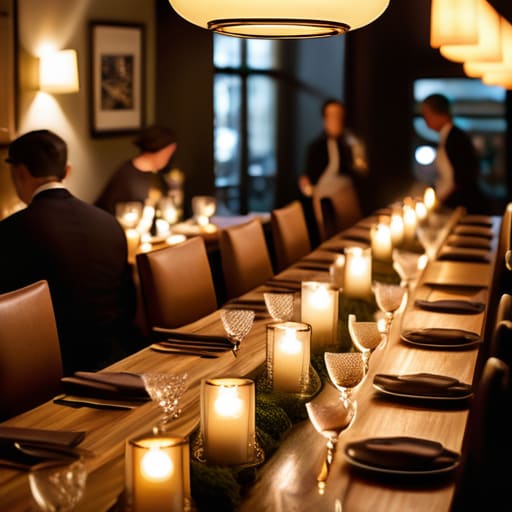
When people talk about optimizing seating capacity, they usually picture a spreadsheet filled with little icons of chairs being filled and emptied. They think it’s a simple game of Tetris. But if you’ve ever stood in a narrow galley kitchen while three different parties are demanding their mains at the exact same moment, you know it’s much more complicated than just fitting more bodies into a room.
You have to account for the human variable. You can have the most efficient floor plan in the world, but if your kitchen is running twenty minutes behind on the risotto, those extra seats become a liability, not an asset. You aren’t just managing furniture; you are managing the friction between the dining room and the stove. If you push too hard to squeeze in one more booking during those frantic Friday night rushes, you aren’t just increasing your restaurant occupancy rates—you are testing the breaking point of your staff. A room that is “full” on paper can feel incredibly hollow if the service begins to fray because you forgot that people need room to breathe, not just room to sit.
Five Ways to Manage the Clock Without Breaking the Room
- Stop treating your menu like a library; a smaller, tighter list means the kitchen can plate faster and the diners spend less time agonizing over choices, which keeps the rhythm moving.
- Train your staff to read the “end-of-meal” signals—the folded napkin, the empty wine glass, the leaning back—so they can offer the check before the guest even has to ask, saving you ten precious minutes of awkward waiting.
- Design your floor plan for flow, not just capacity, because if your waiter has to dodge a cocktail trolley every time they try to clear a plate, your turnover time will bleed out through sheer friction.
- Respect the “buffer” between seatings; if you book tables back-to-back with zero breathing room, one slow eater or one broken glass will cascade into a service nightmare that ruins your entire night.
- Watch your lighting and music levels like a hawk; if you want to encourage a quicker departure during the frantic mid-service rush, dim the lights and pick up the tempo slightly, rather than making the guest feel like they’re being kicked out.
The Real Arithmetic of a Dining Room
Table turning is never just about the clock; it is a delicate, often stressful balancing act between the revenue needed to pay the electric bill and the human dignity of the staff being pushed to rush a guest.
Efficiency is a hollow metric if it kills the atmosphere, because a customer who feels like a number on a spreadsheet will never become a regular who pays the rent.
True profitability isn’t found in squeezing one more booking into a tight gap, but in understanding the precise cost of every minute a table sits empty versus the cost of a guest who leaves feeling hurried.
The Ghost in the Dining Room
People think table turning is about how fast you can clear a plate, but it’s actually about the invisible tension in the air; it’s the moment a guest feels the sudden, sharp urge to pay their bill because they’ve sensed the waiter is already eyeing the empty chair behind them like a prize.
Rosalind Achterberg
The Balancing Act
At the end of the day, table turning is a delicate, often exhausting dance between the math of the ledger and the reality of the dining room. We’ve looked at how the push for efficiency can bruise your staff, how a chair is never just a piece of furniture but a ticking clock, and how the pressure to optimize can strip the soul right out of a meal. If you treat your dining room like a factory assembly line, you might see your margins improve on a spreadsheet, but you will lose the very thing that brought people through your doors in the first place. A restaurant that prioritizes the turnover over the guest is just a high-speed cafeteria with better linens, and that is a recipe for a very quiet dining room by year three.
If there is one thing I learned during my twenty-six years behind the pass, it’s that the most successful rooms aren’t the ones that squeeze every possible penny out of a seating; they are the ones that understand the value of a pause. There is a profound, quiet dignity in knowing when to let a table linger over a final glass of port, even when the booking book is screaming for the next party. Build your business on solid numbers, yes, but build your reputation on the moments people feel they don’t have to rush. The profit is in the meal, but the legacy is in the hospitality.
Frequently Asked Questions
How do you stop a restaurant from feeling like a conveyor belt when you're trying to move people through?
You stop the conveyor belt by making the “turn” invisible to the guest. It’s about the timing of the cues, not the speed of the plate. If you rush the check, you’ve failed. Instead, you train your staff to read the room: the coffee arrives just as the conversation naturally dips, or the check is tucked away before they even have to ask. You manage the rhythm from the back, so they only feel the hospitality.
At what point does chasing a faster turnover start to actually cost you more in lost regulars and bad reviews?
It starts the second your guests feel like they’re on a conveyor belt. When a waiter eyes the clock instead of the wine glass, the hospitality dies. You might squeeze in an extra seating, but you’ve traded a loyal regular—the kind who orders the expensive bottle and tells their friends—for a one-off tourist who leaves a one-star review because they felt rushed. You can’t put a price on a guest feeling unwelcome, but your bank balance certainly will.
How much of "efficient" table turning is actually just clever scheduling of the kitchen's workload?
It’s the most honest answer in the room. If you time your tables perfectly, you aren’t just managing chairs; you’re managing the heat in the kitchen. A “perfect” dining room is actually a choreographed wave of orders designed to prevent the pass from becoming a graveyard of cold plates or a battlefield of shouting chefs. When we talk about efficiency, we’re really talking about smoothing out the spikes so the kitchen can actually breathe.
