 Written by
 I remember a Saturday night in 2004, the kind where the air in my sixteen-cover dining room felt thick enough to slice with a bread knife. The printer was screaming, a bottle of Burgundy had just shattered near the pass, and a party of six was demanding to know why their risotto was four minutes late. Everyone tells you that a packed house is the ultimate goal, but they forget to mention that learning how to deal with a full restaurant is less about hospitality and more about controlled firefighting. When you’re in the weeds, a full dining room isn’t a victory lap; it’s a high-stakes test of your margins, your staff’s breaking points, and your own ability to stay sane while the kitchen is screaming.
I’m not here to give you some glossy, management-school lecture on “optimizing guest flow” or “synergistic service models.” I’ve spent twenty-six years making the mistakes that actually cost money, and I’ve learned that the real secret to a successful service lies in the unglamorous details. I’m going to tell you exactly how to manage the chaos without losing your shirt or your best waiter, focusing on the brutal realities of staffing, timing, and the thin line between a busy night and a total collapse.
Optimizing Restaurant Workflow Before the Chaos Begins
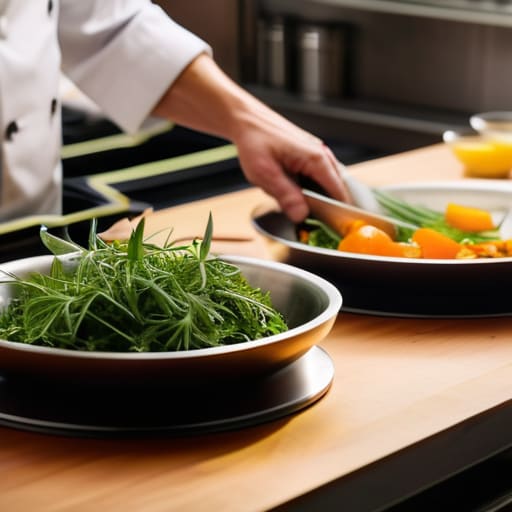
Optimizing restaurant workflow starts long before the first ticket hits the rail; it starts with the prep list and the mise en place. If your stations aren’t set so that a cook can reach for a garnish without taking two steps, you’ve already lost the battle. I used to tell my chefs that a messy station is just a slow death in disguise. When the rush hits, you aren’t just cooking; you are managing a series of micro-movements. If the prep is tight, managing kitchen stress becomes a matter of discipline rather than a frantic scramble for a clean knife or a missing squeeze bottle.
On the floor, efficiency is about the invisible choreography of the staff. You want to focus on front of house efficiency by ensuring the runners and the servers aren’t tripping over one another’s feet. I always looked for the person who could clear a table and reset it in one fluid motion without looking like they were working. It isn’t about rushing the guests—that’s amateur hour—it’s about removing the friction that slows the room down. If your setup is right, the service feels like a dance; if it’s wrong, it feels like a riot.
The Hidden Cost of Improving Table Turnover Rate Too Fast
Everyone loves the math of a fast turnover. On a spreadsheet, it looks like pure magic: turn a table in sixty minutes instead of ninety, and suddenly your revenue projections skyrocket. But you cannot manage a dining room like a high-frequency trading floor. When you push too hard for improving table turnover rate, you start seeing the cracks in the foundation. It begins with the subtle things—a waiter who stops explaining the specials because they’re too busy sprinting to the next station, or a guest who feels like they’re being nudged toward the exit the moment they put down their fork.
The real danger, though, is what happens behind the swinging doors. If you demand speed at the expense of grace, you aren’t just risking a bad review; you are managing kitchen stress into a full-blown crisis. When the front of house is rushing to clear plates before the guest has even finished their last sip of wine, the kitchen feels that frantic energy. It trickles down. Suddenly, the line is moving too fast, mistakes are being plated, and your best staff members are looking at the clock instead of the customer. You might win the extra seating, but you’ll lose the soul of the room.
The Real Ways to Keep Your Head When the Room is Screaming
- Master the art of the “pre-emptive apology.” If you see a ticket hanging too long or a glass sitting empty, don’t wait for the guest to catch your eye with that specific, pinched look of disappointment. Walk over, acknowledge the delay before they can complain, and offer something small—a piece of bread, a refill, a genuine “I haven’t forgotten you.” It’s much harder for a customer to be angry at someone who has already admitted they’re struggling.
- Protect your pass at all costs. When the dining room is at capacity, the kitchen becomes a pressure cooker, and the person standing between the chefs and the servers is the only thing preventing total collapse. If the expeditor is flustered, the whole system breaks. Your job isn’t to cook or to run plates in that moment; it’s to be the calm, steady voice that keeps the rhythm from turning into a frantic, expensive mess.
- Stop treating every “extra” request like a personal insult. A full house means your staff is already stretched to the breaking point, and a guest asking for a side of sauce or a different fork feels like a heavy weight. But a heavy weight is better than a heavy atmosphere. Teach your team that a small, quick adjustment is a way to keep a table happy so they don’t turn into a long, drawn-out grievance that eats up twenty minutes of service time later.
- Watch your floor, not just your tickets. It is very easy to get tunnel vision, staring at the POS system or the kitchen door, but the most important information is in the room. You need to see the subtle cues: the guest leaning back, the way a couple is looking at their empty wine glasses, or the moment a server’s shoulders start to sag. If you’re looking at the screen instead of the people, you’re managing a machine, not a restaurant.
- Know when to pull the plug on the “maybe” tables. When you’re slammed, you don’t have the luxury of the guest who wants to “see what’s available” or the group that’s undecided on the menu. A full restaurant requires decisive movement. If a table isn’t ready to order, they are taking up space that could be occupied by someone ready to spend. It feels cold, but in a small room, indecision is a luxury you simply cannot afford to subsidize.
The Reality Check: What a Full House Actually Demands
Don’t mistake movement for progress; a frantic kitchen isn’t an efficient one, it’s just an expensive one, so prioritize steady pacing over raw speed to keep your food quality from tanking.
Your staff’s mental bandwidth is your most finite resource, and once they hit the wall of burnout during a rush, no amount of “hustle culture” talk will fix the mistakes they start making.
A packed dining room is a series of small, expensive fires that need putting out, and the goal isn’t to finish the service unscathed, but to finish it without having burned through your profit or your people.
The Illusion of the Rush
A full dining room isn’t a victory lap; it’s a high-wire act where the tension lives in the gap between the kitchen’s capacity and the guests’ patience. If you think a packed house means you’ve made it, you’ve already lost sight of the fact that every extra cover is just another chance for a glass to break, a ticket to get lost, or a server to burn out before the lights go down.
Rosalind Achterberg
The Quiet After the Rush
At the end of the day, managing a full house isn’t about mastering a fancy new software or forcing your staff to move like clockwork; it’s about recognizing that a packed dining room is actually a series of delicate, moving parts that can break if you push them too hard. You have to balance the mathematical necessity of turnover with the human reality that a guest who feels rushed will never become a regular. If you optimize your workflow and respect your margins, but you lose the soul of the service in the process, you haven’t actually succeeded—you’ve just managed to be efficiently miserable. A full room is a privilege, not a battleground, and your job is to ensure the chaos stays behind the kitchen doors so the magic can happen on the floor.
When the last plate is cleared and the lights are dimmed, don’t just look at the bottom line of the night’s sales. Look at your team. If they are standing upright, breathing, and ready to do it again tomorrow, you’ve done something right. Running a restaurant is a heavy, expensive, and often exhausting business, but there is a specific kind of grace in a well-managed rush that you won’t find anywhere else. Hold onto that feeling, even when the bank statements get tight or the staff gets thin. Because once you learn how to navigate the storm without losing your people or your temper, you’ve stopped just running a kitchen and you’ve finally started running a restaurant.
Frequently Asked Questions
How do I stop my staff from burning out when we’re running three sittings back-to-back?
You can’t schedule your way out of exhaustion, but you can plan for it. When you’re running three sittings, the danger isn’t the rush; it’s the “dead zone” in between where everyone tries to catch their breath but ends up just standing around looking frantic. Give them real, scheduled breaks away from the pass. If they’re eating standing up over a bin lid, they’re already gone. A rested server is a profit center; a burnt-out one is a liability.
At what point does a "full house" actually start costing me more in wasted food and mistakes than it's making in profit?
It’s the moment your kitchen starts playing catch-up rather than leading. You’ll see it in the “panic prep”—the extra prep cook you called in who ends up standing around, or the expensive proteins getting overcooked because the pass is a shouting match. When your waste bin starts filling with “mistake plates” and your staff is too frazzled to upsell a decent bottle of wine, you aren’t making money; you’re just paying for the privilege of being stressed.
How can I maintain a relaxed atmosphere for my regulars when the kitchen is clearly under the pump?
You maintain it by managing the optics, not just the orders. If the kitchen is screaming, your front-of-house needs to be the calmest people in the room. Don’t let the staff start scurrying like mice; that panic is infectious and it ruins the wine. Acknowledge the delay early—don’t wait for them to ask—and offer something small, like a piece of bread or a pour of something decent. Control the pace, or the pace will control you.
