 Written by
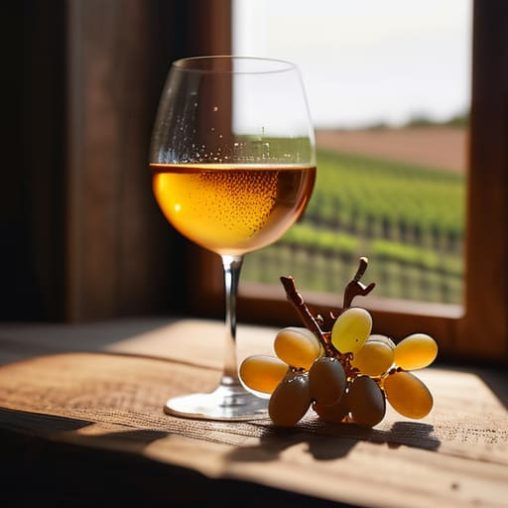
 I remember sitting at a bar in Tbilisi a few years ago, watching a young, trendy sommelier explain to a table of four exactly “how orange wine works” using words like phenolic complexity and ancestral methodology. He was charging them forty euros a glass for what was essentially a beautifully flawed way of making wine. To the hipsters, it’s a mystical, avant-garde phenomenon; to me, it’s just a process of letting the skins sit in the juice long enough to pull out the color and the grip. It isn’t magic, and it certainly isn’t always a revolution—sometimes, it’s just skin contact that makes a wine taste more like the soil it grew in than a polished, filtered grape juice.
I’m not here to sell you on the cult of the cloudy glass or the latest Instagram-friendly label. Instead, I want to pull back the curtain on the actual mechanics and the real costs behind the trend. I’ll tell you why some of these bottles are a masterclass in texture and why others are just expensive, tannic mistakes, giving you the honest perspective of someone who has spent thirty years deciding which bottles are actually worth a customer’s hard-earned money.
Grape Skin Contact Method and the Risk of Tannins in White Wine
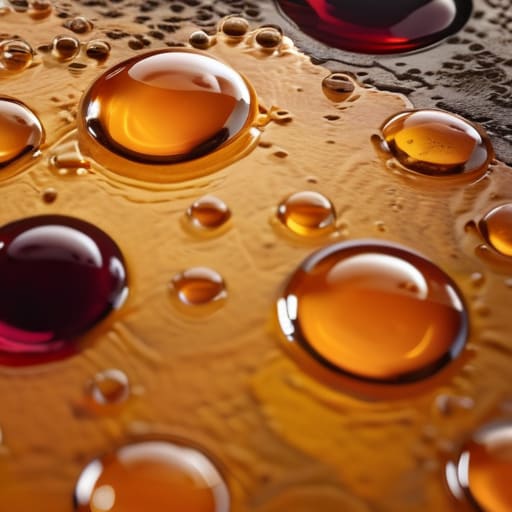
When you’re making a standard white wine, the goal is purity—you press the fruit, separate the juice from the skins immediately, and get something crisp and clean. But with orange wine, we’re talking about the maceration process in winemaking, where the juice sits with the skins for days or even weeks. It’s a bit like leaving the tea leaves in the pot too long; if you pull them out at the right moment, you get a deep, complex brew, but if you miss your window, you’ve ruined the batch.
This extended contact is exactly why you see those distinct amber wine characteristics that set it apart from your typical Chardonnay. Most importantly, it’s where the texture comes from. While you don’t usually expect tannins in white wine, the skins of white grapes contain them just like red skins do. When they sit in the juice, they bleed those structural elements into the liquid. It’s a gamble of chemistry and timing—a bit like managing a kitchen during a rush. You’re looking for that specific grip on the palate without letting the wine become unpleasantly bitter or harsh.
Natural Wine Fermentation Is Not a Magic Trick
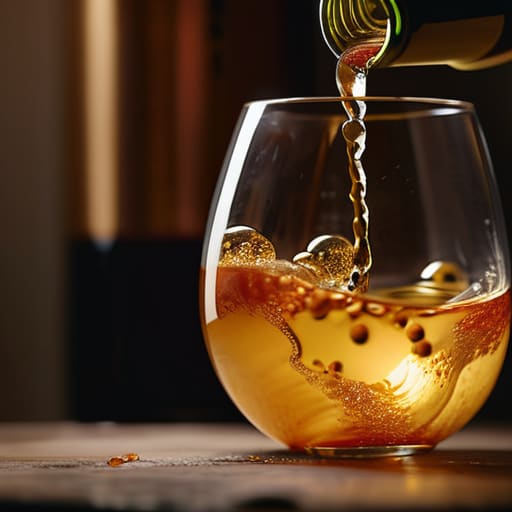
There is a certain romanticism that gets attached to the term “natural wine,” as if the yeast just decides to do its job because the winemaker is a particularly soulful person. It isn’t. Natural wine fermentation is a high-stakes game of biological management, and when you add skin contact into the mix, you’re essentially inviting chaos to the party. In my old dining room, I saw enough bottles to know that “natural” doesn’t mean “effortless”; it means the winemaker has traded the safety net of industrial additives for a much more volatile, unpredictable process.
When we talk about the maceration process in winemaking, we aren’t talking about a controlled laboratory experiment. We are talking about letting the juice and the skins sit together in a vessel, often without the heavy-handed sulfur interventions that keep standard bottles stable. It’s a delicate balance of timing. If you leave them too long, you end up with a heavy, bitter mess; if you pull them too early, you miss the soul of the drink. It’s a gamble every single time the cork is pulled.
The Business of the Bottle: What to Look for When the Menu Says 'Orange'
- Don’t mistake tannin for a flaw; it’s a structural choice. Just like a chef decides to use a tougher cut of meat to build a deeper sauce, a winemaker uses skin contact to give a white wine some backbone. If it feels a bit grippy on your tongue, it’s not a mistake—it’s the architecture of the wine.
- Watch the price point, not just the label. Making orange wine is a gamble with shelf life and stability; if a place is charging you pennies for a ‘natural’ orange, they’ve likely bought a massive, cheap lot that might turn to vinegar before you finish your second glass.
- Learn to pair it with texture rather than just ‘fruit.’ Because these wines have more weight and a bit of a bite, they struggle against delicate, watery dishes. I always tell my old staff: if the food is too light, the wine will bully it. Give it something with fat, salt, or char to stand up to.
- Recognize that ‘orange’ is a process, not a grape variety. You aren’t looking for an ‘Orange Grape’ on the menu—you’re looking for white grapes that have been treated with more respect (and more risk) than usual. If the menu is vague, ask the server if it’s skin-contact; it’s a fair question that separates the pros from the amateurs.
- Manage your expectations regarding the ‘funk.’ Some orange wines are clean and amber; others are a bit wild and cloudy. If you’re expecting a crisp, predictable Sauvignon Blanc, you’re going to be disappointed. Treat it like a complex, aged dish—it’s meant to surprise you, not to be easy.
The Bottom Line on the Bottle
Orange wine isn’t a miracle cure for a bad vintage; it’s a deliberate, technical choice to use skin contact to build structure, meaning you’re paying for a specific texture, not a magic trick.
When you see “orange” on a wine list, understand that the tannins come from the skins—it’s a beautiful way to add body, but if the winemaker doesn’t know how to manage that extraction, you’re left with a glass that feels more like a mistake than a masterpiece.
Don’t let the hype fool you into thinking natural or skin-contact wines are inherently “better”; they are simply more temperamental, and the price you see on the menu often reflects the extra labor and the higher risk of a batch going sideways in the cellar.
The Cost of the Skin
People talk about orange wine like it’s some mystical, ethereal discovery, but in a real cellar, it’s just a calculated gamble with physics. You’re taking white grapes—fruit that’s meant to be clean and bright—and you’re leaving them to sit in their own skins, fighting against tannins and oxidation that could easily turn a beautiful vintage into something that tastes like a bruised apple. It isn’t magic; it’s just a chef deciding that the risk of a bitter finish is worth the reward of a deeper soul.
Rosalind Achterberg
The Bottom Line on the Amber Glass
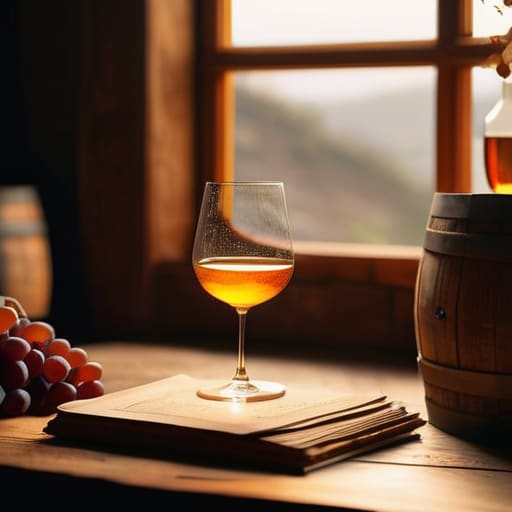
At the end of the day, orange wine isn’t some mystical, avant-garde phenomenon; it is simply a return to a way of doing things that we spent decades trying to “refine” out of existence. It’s the result of letting the skins do their job, managing the tannins, and accepting that nature doesn’t always produce a clean, predictable line. Whether it’s the extra labor required in the cellar or the risk of a batch turning slightly funky because the skin contact went a day too long, there is a tangible cost to this complexity. You aren’t just paying for a color; you are paying for the winemaker’s nerve and the extra hands needed to manage a process that refuses to be automated or rushed.
So, the next time you see a bottle of that deep, sunset amber sitting on a wine list, don’t just look at it as a trend to be checked off your list. Look at it as a testament to a producer who decided that texture and soul were worth the extra risk. Whether you find it too grippy or absolutely divine, remember that every glass tells a story of a person standing in a cellar, making a choice. My advice? Order a glass, sit at the bar, and listen to what the wine is trying to tell you before you decide it’s too strange for your palate.
Frequently Asked Questions
If the skin contact is what gives it that color and texture, why doesn't every white wine maker just do it to make their wine more interesting?
Because “interesting” is a dangerous word in a kitchen, and even more dangerous in a cellar. If you leave skins in a white wine, you aren’t just chasing color; you’re playing with fire. You risk massive bitterness, oxidation, or a wine that tastes like wet cardboard. Most winemakers play it safe because consistency pays the mortgage. A botched batch of skin-contact wine isn’t a “bold experiment”—it’s a write-off that eats your profit margin alive.
Does the extra time the skins spend in the vat mean the wine is more expensive to produce, and am I paying for that risk on the menu?
It’s not about the cost of the skins; it’s the cost of the anxiety. When you leave those skins in the vat, you’re playing a high-stakes game of chicken with oxidation and spoilage. If a batch turns to vinegar, that’s a hole in the cellar that’s hard to plug. You aren’t paying for “extra time”—you’re paying for the winemaker’s nerve and the inevitable loss of the batches that didn’t make it to the glass.
Is there a real difference in how you store and serve orange wine compared to a standard crisp white, or is it all just marketing talk?
It’s not marketing, though the wine shops certainly love to dress it up. Because orange wine has those skins sitting in the juice, it has more structure—more tannins, more weight. If you serve it ice-cold like a Pinot Grigio, you’re masking the very thing that makes it interesting; you’re chilling the soul out of it. Treat it more like a light red. Keep it cellar-cool, not fridge-cold, and let it breathe.
