 Written by
 I once watched a sommelier spend ten minutes performing a choreographed dance around a bottle of vintage Krug, talking about “ethereal lightness” and “the soul of the grape,” while the customer just looked confused and checked their watch. People treat the process of how sparkling wine is made like it’s some sort of mystical, untouchable alchemy, but let’s be honest: it’s mostly a high-stakes battle against unpredictable biology. It’s about managing yeast, controlling temperature, and praying that your secondary fermentation doesn’t turn a year’s worth of inventory into expensive vinegar. There is very little magic involved, but there is a tremendous amount of math and very expensive risk.
I’m not here to sell you on the poetry of the bubbles or the romanticism of the cellar. Instead, I want to pull back the curtain on the actual mechanics—the grit, the cost, and the technical gambles—that define how sparkling wine is made. I’ll tell you exactly why that bottle costs forty pounds more than the one next to it, and more importantly, which technical details actually matter when you’re standing at a crowded bar trying to decide if a label is worth your hard-earned money.
Methode Champenoise Explained the Cost of Perfection
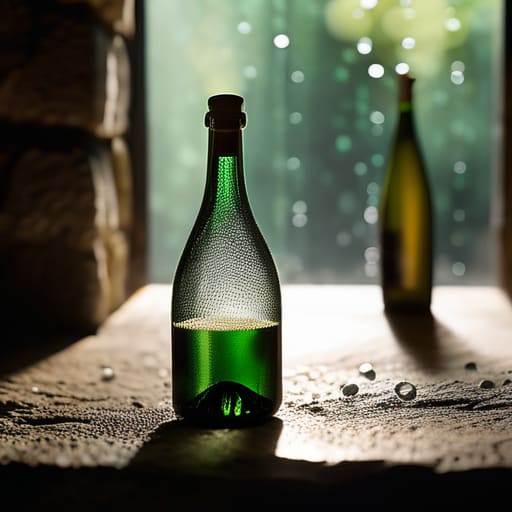
When people talk about the methode champenoise explained in glossy magazines, they make it sound like a poetic dance of bubbles. In reality, it is an expensive, high-stakes endurance test. Unlike the tank method vs traditional method debate—where the former is a quick, efficient sprint designed for volume—the traditional method is a slow, agonizing crawl. You aren’t just making wine; you are forcing a second life into a bottle. This secondary fermentation process happens in total darkness, trapped inside a vessel that is under immense pressure. It’s a gamble. If your temperature fluctuates or your yeast is tired, you aren’t just losing a batch; you’re losing a massive investment in glass, cork, and time.
Then there is the wait. While Prosecco is designed to be bright and immediate, true traditional sparkling wine relies on autolysis in sparkling wine—the slow breakdown of yeast cells that gives the liquid its brioche and toasted nut character. This isn’t a shortcut. It’s a period of months, sometimes years, where your capital sits dead in a cellar, doing nothing but aging. You aren’t paying for the bubbles; you are paying for the luxury of patience and the sheer overhead of holding onto inventory that won’t see a dining room table for a long time.
Tank Method vs Traditional Method Choosing Your Margins
When you’re looking at a wine list, you’re really looking at a choice between two different ways of managing risk and time. The tank method vs traditional method debate isn’t just a technicality for winemakers; it’s a fundamental decision about how much capital a house is willing to tie up in a cellar. The tank method—the way most Prosecco is made—is efficient. You get the bubbles, you get the fruit, and you get the cash flow moving quickly. It’s bright, it’s predictable, and from a business standpoint, it’s a marvel of modern logistics.
But then you have the traditional method, where the real magic—and the real headache—happens. By forcing that secondary fermentation process to occur inside the individual bottle rather than a massive steel vat, you are essentially asking the winemaker to play a long game of patience. You aren’t just paying for the grapes; you are paying for the months, sometimes years, of autolysis in sparkling wine where the yeast sits in the dark, breaking down and adding that creamy, brioche complexity. In my old dining room, I knew that if I charged a premium for a bottle, the customer wasn’t just paying for the liquid—they were paying for the silence of the cellar.
The Realities of the Bottle: Five Things to Watch for When You’re Paying for Bubbles
- Don’t mistake ‘expensive’ for ‘traditional.’ If you’re paying a premium, you’re paying for time spent on the lees—that sediment that gives the wine its backbone. If the wine tastes thin and aggressive rather than creamy, they’ve rushed the aging process to save on cellar space, and you’re paying for the marketing, not the method.
- Learn to read the label for the ‘dosage.’ That final splash of sugar added before corking isn’t just for sweetness; it’s a way for producers to mask a lack of character in the base wine. A ‘Brut Nature’ tells me the producer actually had something worth drinking to begin with, rather than needing a sugar coat to hide the flaws.
- Understand that ‘Methode Traditionnelle’ is a massive labor cost. Every single bubble in a high-end bottle represents a human being who had to hand-turn a bottle or manage a complex secondary fermentation. When you see the price jump, you aren’t just buying fruit; you’re paying for the hands that did the work the machines can’t.
- Watch out for the ‘sparkling wine’ trap. If it doesn’t say Champagne, Cava, or Crémant, it’s likely made in a tank (the Charmat method). There is nothing wrong with a crisp, bright Prosecco for a Tuesday lunch, but don’t let a waiter upsell you a tank-method wine at a traditional-method price point; they’re just trying to pad their commission.
- Respect the cork, but check the pressure. A real, high-quality sparkling wine has a fine, persistent bead—the tiny, steady bubbles. If you see large, aggressive bubbles that dissipate in seconds, the carbon dioxide has likely escaped or was poorly integrated. It’s the liquid equivalent of a staff member who talks too much and says nothing of substance.
The Bottom Line on the Bubbles
Don’t mistake a high price tag for quality; often, you’re just paying for the sheer amount of floor space and time required to let a bottle sit in the dark doing nothing while the yeast works itself to death.
Method is a business decision, not just a flavor one—choosing tank fermentation isn’t “cheating,” it’s a calculated move to keep your margins alive and your customers’ glasses full without waiting years for a return.
Real sparkling wine is a high-stakes gamble with biology, where the difference between a premium vintage and a total loss is often just a few degrees of temperature and a very expensive mistake in the cellar.
The High Stakes of the Second Fermentation
People talk about the ‘magic’ of bubbles as if it’s a gift from the gods, but in a real cellar, it’s a controlled hostage situation. You’re trapping yeast in a bottle and praying the pressure doesn’t blow the corks or ruin the vintage; it’s a massive, expensive gamble on time and temperature that most people only appreciate once they’ve seen the razor-thin margins it leaves behind.
Rosalind Achterberg
The Bottom Line in the Glass
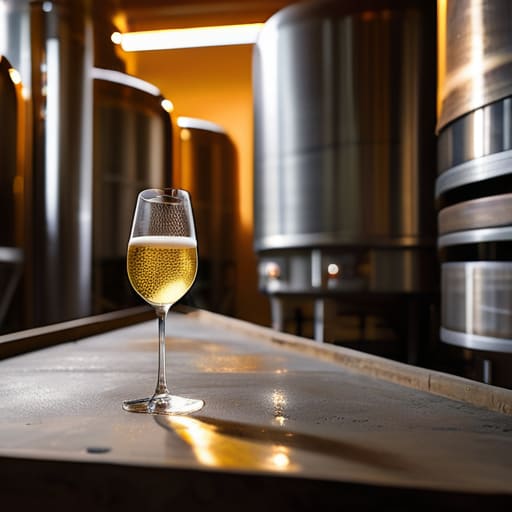
At the end of the day, whether you’re sipping a grower Champagne that sat in a cellar for five years or a crisp Prosecco that was bottled three months ago, you’re tasting a series of calculated risks. You’ve seen the math now: the Methode Traditionnelle isn’t just a fancy way to make bubbles; it is a massive, long-term investment in time, glass, and labor that most small businesses simply cannot afford to carry on their books. On the other hand, the tank method offers the kind of efficiency that keeps a restaurant’s wine list accessible and the turnover healthy. There is no “right” way to make sparkling wine, only the way that aligns the producer’s vision with their bank balance.
When you sit down at a table and see a sparkling wine on the menu, try to look past the label and see the struggle behind it. See the cellar master who stayed up late worrying about a fermentation spike, or the winemaker who decided to skip a vintage because the grapes weren’t up to scratch. Every bubble is a testament to someone deciding that quality was worth the risk of failure. So, next time you hear that soft pop of a cork, don’t just toast to the occasion; toast to the sheer, stubborn grit it took to get that liquid into the glass.
Frequently Asked Questions
If the traditional method takes so much longer and costs so much more, why on earth would a producer ever bother with the tank method?
Because, darling, a restaurant—and a winery—has to actually pay its staff. If you’re producing nothing but prestige bubbles that sit in a cellar for three years, you’re essentially turning your cash flow into expensive glass beads. The tank method is about survival. It lets you get product to market while the capital is still liquid. Sometimes you don’t need a masterpiece; you need to clear the books and keep the lights on.
Does that second fermentation actually change the flavor of the grapes, or is it just a way to add bubbles?
It’s a bit of both, but don’t let the romanticism fool you—it’s a chemical transformation, not just a fizzy trick. That second fermentation isn’t just injecting gas; it’s a slow, controlled evolution. As the yeast eats that added sugar in the bottle, it sheds compounds that create those brioche and toasted nut notes you love. You aren’t just adding bubbles; you’re building a flavor profile that a simple tank-fermented Prosecco can’t touch.
How much of the final bottle price is actually paying for the wine, and how much is just paying for the time it spent sitting in a cellar?
You’re asking the right question, and the answer is usually more about real estate than grapes. When you pay for a vintage Champagne, you aren’t just buying fermented juice; you’re paying the rent for every month that bottle sat in a dark, temperature-controlled cellar. That “sitting time” carries a heavy overhead—climate control, insurance, and the opportunity cost of capital tied up in glass rather than moving through the till. You’re paying for patience, and patience is expensive.
