 Written by
 I once watched a sommelier—a boy barely older than my former sous-chef—try to lecture a regular on how to pair wine with difficult foods while they were eating a spicy, vinegar-heavy seafood stew. He was talking about “molecular structure” and “aromatic bridges,” but all I could see was a man trying to sell a bottle that cost more than the customer’s entire dinner. He was ignoring the reality that acid and heat don’t care about your pedigree; they will strip the soul right out of a delicate vintage. Most of the advice you read in glossy magazines is written by people who have never had to clear a table of half-finished, wasted bottles during a Friday night rush.
I’m not here to teach you the chemistry of tannins or how to recite a textbook. Instead, I want to show you the practical survival skills of the dining room. I’m going to tell you why certain flavors act like bullies to your glass, and how you can stop overpaying for bottles that simply won’t stand a chance against a heavy sauce or a pungent spice. This is about making the food and the wine work together without breaking your bank or your spirit.
The Brutal Truth of Tannin and Bitterness Interaction

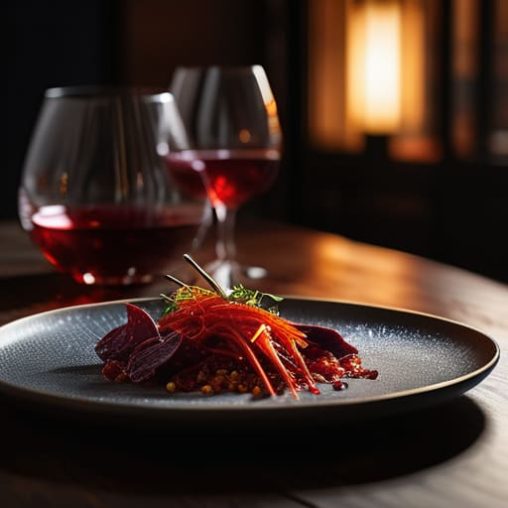
People love to talk about “notes of leather” or “hints of cherry,” but in a real kitchen, the conversation is usually much uglier: it’s about the fight between the plate and the glass. When you’re dealing with something like charred radicchio or a heavy, oil-slicked bitter melon, you aren’t just eating; you’re managing a chemical reaction. The tannin and bitterness interaction is where most dining rooms fall apart. If you bring a high-tannin Cabernet to a table serving bitter greens, the wine won’t just taste bad—it will actually turn metallic and astringent, like you’re sucking on a copper penny. It’s a violent clash that makes the guest feel like their mouth is being sandpapered.
The trick isn’t to find a wine that matches the bitterness, but one that has enough fruit weight to act as a buffer. You need a wine that leans into its own sweetness or fruitiness to coat the palate, creating a cushion against the sharp edges of the food. I’ve seen too many young sommeliers try to “match” intensity with intensity, only to realize they’ve just created a war zone on the table. If the food is fighting you, the wine should be the peace treaty.
Navigating the Friction of Pairing Wine With Spicy Ingredients
Spicy food is the great disruptor in a dining room. When a guest orders something heavy on chili or peppercorns, they aren’t just asking for a drink; they are asking you to manage a chemical reaction. The mistake most people make—and I saw it happen in my own dining room more often than I care to admit—is reaching for a high-alcohol Cabernet to “stand up” to the heat. That is a recipe for disaster. Alcohol acts like gasoline on a fire; it amplifies the burn of the spice until the palate is nothing but numb, scorched earth.
If you want to survive pairing wine with spicy ingredients, you have to stop looking for strength and start looking for relief. You need sugar and fruit to act as a buffer. A low-alcohol, slightly off-dry Riesling or a chilled Lambrusco works because the residual sugar coats the tongue, providing a momentary reprieve from the heat. It isn’t about finding a wine that fights the spice; it’s about finding one that softens the blow. In this game, the goal isn’t dominance—it’s diplomacy.
Five Rules for When the Menu Starts Fighting the Cellar
- Stop chasing the “perfect” match and start looking for a buffer. When you’re dealing with something aggressively acidic or heavy on the vinegar, don’t reach for a delicate, expensive Pinot Noir just because the menu says it’s a pairing; you’ll just end up drinking something that tastes like wet cardboard. You need a wine with enough structural backbone—think acid and fruit weight—to stand up to the plate without getting bullied into submission.
- Respect the fat, but don’t let it hide the wine. If you’re eating something incredibly rich, like a braised cheek or a heavy cream sauce, you have two choices: either find a wine with enough tannin to scrub the palate clean after every bite, or lean into the richness with something equally opulent. The mistake I see most often is people trying to serve a light, “refreshing” white against a fatty dish; it’s like trying to put out a grease fire with a spray bottle.
- Salt is your best friend, even if it’s the wine’s worst enemy. A salty dish can make a wine taste thin and bitter, which is a heartbreak when you’ve paid top dollar for a bottle. If the kitchen is heavy-handed with the seasoning, steer toward fruit-forward wines or something with a touch of residual sugar. It’s not about being “sweet”; it’s about using that sugar to blunt the edge of the salt so you can actually taste the fruit in the glass.
- Watch the temperature, especially when the food is pushing boundaries. If you’re serving a dish with intense, lingering heat, a warm red is going to feel like liquid lava in your mouth. It’s not a rule, it’s a survival tactic: keep your whites colder and your reds slightly more restrained when the spice levels are high. You want the wine to act as a cooling agent, not an accelerant.
- Understand that the “difficult” ingredient is usually a budget or labor constraint in disguise. When a chef uses a highly pungent ingredient—think fermented funky cheeses or heavy garlic—it’s often because those flavors are cheap, powerful, and do the heavy lifting for the dish. Don’t try to out-finesse them with a subtle, nuanced wine. You can’t win a shouting match with a whisper; choose a wine that has its own loud, clear voice.
The Bottom Line: What Actually Matters at the Table
Stop chasing the textbook rules and start looking at your plate; if a dish is fighting the wine, it isn’t a “sophisticated pairing,” it’s just a waste of a good bottle and a bad night for the guest.
Respect the acid and the fat—acid cuts through grease like a knife through butter, and if your wine doesn’t have enough backbone to stand up to the richness, you’re just drinking expensive water.
Remember that the goal isn’t to find a match that’s a mathematical miracle, but one that doesn’t make the food taste metallic or the wine taste like vinegar; simplicity wins every time in a busy dining room.
The Real Cost of a Bad Match
Most people treat wine pairing like a math problem to be solved, but in a kitchen, it’s more like a negotiation. You aren’t looking for a perfect marriage; you’re looking for a truce between a heavy sauce and a delicate vintage so that neither one ends up feeling like a victim by the third course.
Rosalind Achterberg
The Bottom Line on the Table
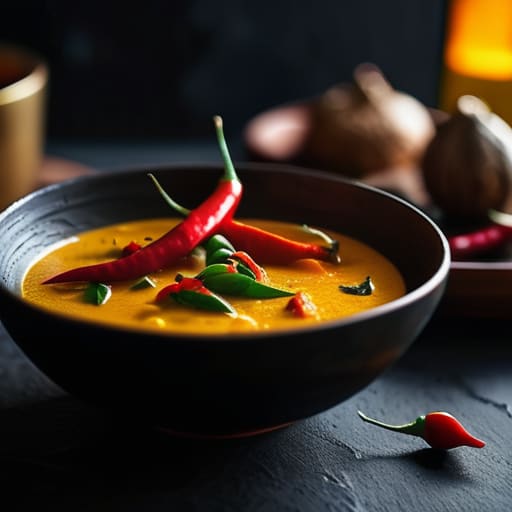
At the end of the day, pairing wine with difficult foods isn’t about memorizing a textbook or following some rigid, academic decree that makes you feel superior to the person sitting across from you. It is about managing the physical friction on your palate. Whether you are trying to soften the aggressive grip of tannins against a bitter radicchio or trying to prevent a high-alcohol Shiraz from turning a spicy curry into a mouthful of liquid fire, the goal is balance, not perfection. You have to respect the ingredients—and the cellar—enough to realize that sometimes, the most expensive bottle in the room is the wrong tool for the job. If the food is doing the heavy lifting, don’t let the wine try to outshout it; choose a partner, not a competitor.
I spent nearly three decades watching people overcomplicate their dinners because they were afraid of looking unrefined. But let me tell you a secret from someone who has scrubbed more prep stations than I can count: the most memorable meals I ever served weren’t the ones with the most complex pairings, they were the ones where the wine and the plate simply got out of each other’s way. Stop worrying about the rules and start paying attention to how the food actually feels in your mouth. If you can master that one simple thing, you’ll find that the best dining experiences are rarely about following a script, but about understanding the quiet, practical harmony of a well-run table.
Frequently Asked Questions
If I’m running a tight budget, is it actually worth paying for a premium bottle just to handle a tricky sauce, or can I fix the pairing with a bit of cleverer menu planning?
Don’t go chasing a premium bottle just to bail out a heavy sauce; that’s a quick way to bleed your margins dry. If the sauce is fighting the wine, the problem isn’t the price tag, it’s the chemistry. Fix it in the kitchen. Dial back the acidity or add a touch of fat to the dish instead. It’s much cheaper to adjust a recipe than to buy a Grand Cru to mask a mistake.
How do I handle a guest who insists on a specific, heavy red when the kitchen has prepared something delicate and acidic?
You don’t fight them; you manage the expectation. I’ve sat in that seat. If they want the heavy Cabernet, let them have it, but don’t let them blame the kitchen when the wine turns the delicate sea bass into a mouthful of wet cardboard. I’d suggest a smaller pour of the red to bridge the gap, or gently mention that the acidity in the dish might make the tannins feel even more aggressive. It’s about saving the meal, not winning the argument.
When a pairing goes wrong because of a dish's intensity, is it usually a failure of the wine selection or a failure of the kitchen's seasoning?
It’s rarely one or the other; it’s usually a breakdown in communication between the pass and the cellar. If a chef pushes a sauce into a salt or acid frenzy without telling the sommelier, no wine in the world can save it. Conversely, if the cellar sends up a high-tannin red for a dish that’s already playing with bitter greens, they’ve set the kitchen up to fail. It’s a lack of shared intent, plain and simple.
