 Written by
 I once watched a young, well-meaning sommelier spend three thousand pounds on a sleek, brushed-steel wine fridge that looked more like a piece of modern art than a tool for service. He was so obsessed with the gadgetry that he forgot the most basic rule of the trade: wine doesn’t need a showroom, it needs stability. Most of the advice you read online about how to store wine at home is designed to sell you something—a specialized cellar, a temperature-controlled cabinet, or a subscription to a club you don’t need. They make it sound like a high-stakes science experiment, but in my twenty-six years of running a dining room, I learned that most people are just trying to keep a decent bottle from turning into expensive vinegar before they actually get to enjoy it.
I’m not here to sell you a lifestyle or a piece of furniture. My promise is simpler: I’m going to tell you how to manage your bottles using common sense and the same principles we used in my restaurant to protect our margins. We’ll talk about the real enemies—heat, light, and those ridiculous temperature swings—without the unnecessary fluff. I want you to understand the mechanics of it so that when you finally pull that cork, the wine tastes exactly like the winemaker intended, not like a mistake you made in your pantry.
Mastering the Optimal Wine Cellar Temperature

If you’ve ever walked into a kitchen during a Friday night rush, you know that heat is a living, breathing thing. It moves, it clings, and if you aren’t careful, it ruins everything in its path. The same logic applies to your collection. People obsess over the labels and the vintages, but they forget that wine is a biological entity. Finding the optimal wine cellar temperature isn’t about hitting a magic number on a digital readout; it’s about stability. A constant 12°C to 14°C (53°F to 57°F) is the industry gold standard for a reason. If your temperature swings like a pendulum every time the heater kicks in or the sun hits that window, you aren’t aging wine—you’re stressing it.
Fluctuations are the silent killers. When the temperature climbs, the liquid expands, potentially pushing the cork out just enough to invite oxygen in. This is how you end up with a bottle that tastes like bruised apples instead of crisp fruit. Beyond the heat, you have to consider the humidity levels for wine storage. You want it damp enough to keep those corks supple—usually around 60-70%—but not so wet that you start growing mold on your precious labels. It’s a delicate balancing act, much like managing a kitchen’s prep list.
Protecting Wine From Uv Rays and Light Damage
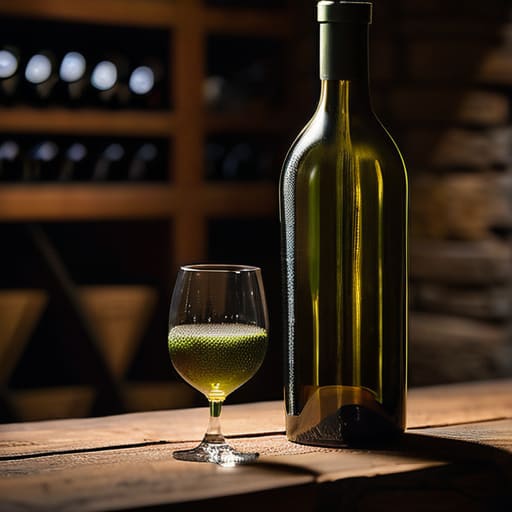
If you’ve spent any time in a professional cellar, you know the first thing we do is shut the heavy door and forget the sun exists. People focus so much on the thermostat that they forget light is a silent killer. UV rays don’t just warm the bottle; they trigger a chemical reaction that can turn a beautiful, complex vintage into something that tastes like wet cardboard or, worse, a bruised apple. This is the reality of protecting wine from UV rays: it isn’t about aesthetics, it’s about chemical stability.
I’ve seen too many collectors display their prized bottles on open shelving in a sun-drenched dining room just because it “looks the part.” It’s a vanity that costs you dearly. If you aren’t using dark glass or deep, shaded cabinetry, you are essentially inviting light to strip the soul out of your wine. Whether you are managing humidity levels for wine storage or obsessing over the temperature, none of it matters if you let the light in. Keep your bottles in the dark, tucked away where the sun can’t find them, and treat your collection with the respect a proper cellar deserves.
The Real-World Rules for Keeping Your Bottles Alive
- Stop treating your wine rack like a decorative shelf in the hallway. If that spot gets a draft every time the front door opens, or if it’s sitting right next to a radiator, you aren’t aging wine; you’re just inviting it to die prematurely. Consistency is the only thing that matters.
- Mind your vibrations. I’ve seen beautiful collections ruined because they were kept on top of a washing machine or next to a heavy-duty fridge that kicks in with a violent shudder. You want your wine to sit in a quiet, dignified stillness, not a constant, microscopic earthquake.
- Humidity isn’t just about preventing mold on your walls; it’s about the cork. If your air is as dry as a desert, those corks will shrink, pull back, and let oxygen sneak in like a thief in the night. You want enough moisture to keep that seal tight, but don’t go turning your dining room into a swamp.
- Don’t store your bottles on their sides unless they are actually meant to be. If you’re keeping a screw-cap Riesling upright, fine—it’s a modern convenience. But for anything with a natural cork, that liquid needs to be touching the bark to keep it supple. A dry cork is a broken promise.
- Stop the “frequent flyer” habit. I know it’s tempting to pull a bottle out every Friday to see how it’s doing, but every time you move a bottle, you disturb the sediment and the delicate chemistry happening inside. Pick a spot, leave it alone, and let the wine do its job without your constant interference.
The Bottom Line on Home Storage
Stop treating your wine like a decoration; if you’re keeping bottles on a sunny countertop or near a radiator just because the label looks pretty, you’re essentially paying for a very expensive way to make vinegar.
Consistency matters more than perfection—a steady, mediocre temperature is far better for a bottle’s soul than a “professional” cellar that swings ten degrees every time the heating kicks in.
Invest in the bottle, not just the gadgetry; a cheap, reliable dark cupboard in a cool corner of the house will often do more for your Cabernet than a flashy, underpowered wine fridge that can’t handle a summer heatwave.
The Real Cost of a Cheap Shelf
You can spend a fortune on a vintage Grand Cru, but if you leave it sitting in a cupboard above your radiator because you thought a wooden box was ‘good enough,’ you haven’t bought a bottle of wine—you’ve bought an expensive lesson in how to ruin a perfectly good afternoon.
Rosalind Achterberg
The Bottom Line on Your Bottle
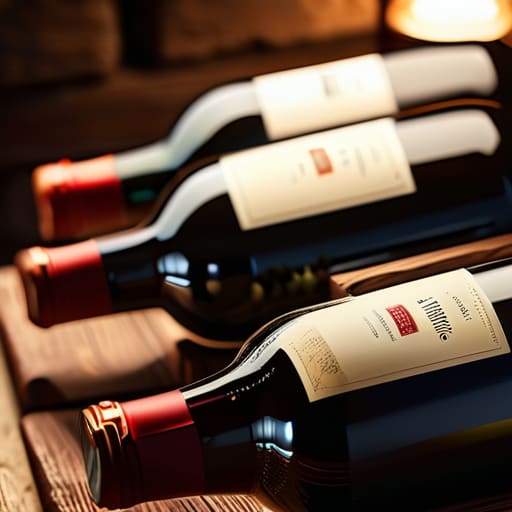
At the end of the day, storing wine isn’t about owning a fancy, temperature-controlled gadget that looks good in a lifestyle magazine; it’s about managing the variables that kill flavor. You need to keep the temperature steady, the light minimal, and the vibrations to a halt. If you can control the heat, shield the bottles from those afternoon sunbeams, and keep the humidity from turning your labels into a soggy mess, you’ve already done more than most. Remember, a wine cellar isn’t a trophy case—it’s a controlled environment designed to prevent a slow, expensive death. If you ignore these basics, you aren’t aging a fine vintage; you are simply watching your investment evaporate one degree at a time.
I spent twenty-six years watching beautiful bottles go to waste because someone thought they could “get away” with keeping a crate in a warm pantry or under a bright kitchen light. It breaks my heart every time. But if you take the time to respect the liquid inside the glass, you’ll reap the rewards when that cork finally gives way. There is nothing quite like the quiet triumph of pulling a bottle from your own collection and knowing, with absolute certainty, that it is exactly as it should be. Treat your wine with the same respect you’d give a guest in your dining room, and it will never let you down.
Frequently Asked Questions
I don't have a dedicated cellar or a climate-controlled room; can I just use the bottom of my kitchen pantry or a dark cupboard?
Look, I’ve spent decades watching expensive bottles turn to vinegar because someone thought a kitchen cupboard was “good enough.” If your pantry sits next to the oven or the fridge, forget it. The heat spikes from cooking and the vibration of the compressor are silent killers. If you can’t find a cool, dark corner in a spare room, don’t buy the expensive vintage yet. Treat your wine with respect, or don’t bother.
Is it actually worth the investment to buy a specialized wine fridge, or am I just paying for a fancy appliance that does the same thing as a cool basement?
Look, if you have a cellar with consistent, natural cool that doesn’t fluctuate when the heating kicks in, you’re fine. But most modern homes are temperamental. A basement is a luxury; a wine fridge is an insurance policy. You aren’t paying for the “fancy appliance” brand; you’re paying for the steady, vibration-free climate control that a kitchen cupboard or a drafty corner can’t guarantee. If you’re buying bottles worth more than the fridge, buy the fridge.
If I notice a cork has pushed up or the wine looks cloudy, is the bottle a total loss, or can I still save it?
Don’t panic and pour it down the sink just yet. A pushed cork usually means heat—the wine expanded and fought its way out. It might be cooked, or it might just be a bit tired. As for cloudiness, if it’s a natural wine, that’s often just character; if it’s a Chardonnay, it’s a red flag. Taste it. If it’s flat or smells like wet cardboard, it’s dead. If it’s just slightly off, use it for cooking.
