
 Written by
 I remember sitting in my office at two in the morning, staring at a stack of invoices that felt more like a personal insult than a business record. I had spent the entire week obsessing over the latest “revolutionary” software promised to show me how to control food cost, only to realize the real thief wasn’t a lack of data—it was the half-empty bags of expensive shallots rotting in the walk-in and my sous-chef’s habit of “eyeballing” the protein portions. People love to talk about complex spreadsheets and algorithmic forecasting, but if you can’t manage the physical reality of what’s sitting on your prep table, no piece of software in the world is going to save your margin.
I’m not here to sell you a subscription or a dream of effortless profitability. I’m going to tell you what it actually looks like to tighten the screws without breaking your staff or your spirit. We are going to talk about the unsexy truths of inventory, the math behind why your menu size is killing you, and the specific, daily habits that stop your profit from leaking out through the kitchen bin. This isn’t theory; it’s what I learned the hard way over twenty-six years of keeping the lights on.
The Math Behind the Magic Prime Cost Calculation and Yield Testing Methods

You can have the finest ingredients in the city, but if you don’t know your numbers, you’re just playing house. Most new owners focus on the plate, but I spent my nights staring at the spreadsheet. You have to master prime cost calculation—that marriage of your total food costs and your labor costs—because that is the heartbeat of your business. If that number creeps above 60 or 65 percent, you aren’t building a legacy; you’re just subsidizing your customers’ dinners with your own retirement fund.
Then there is the messy reality of the prep station. I used to watch my commis chefs trim a fillet mignon like they were carving a sculpture, tossing perfectly good fat into the bin without a second thought. That is why you must implement rigorous yield testing methods. You need to know exactly how many usable ounces of sea bass you get out of a five-pound whole fish after the skin is off and the bones are out. If you aren’t measuring the difference between what you bought and what you actually served, you aren’t running a kitchen—you’re running a charity.
Stop the Bleeding Why Inventory Management Systems Are Your Best Defense
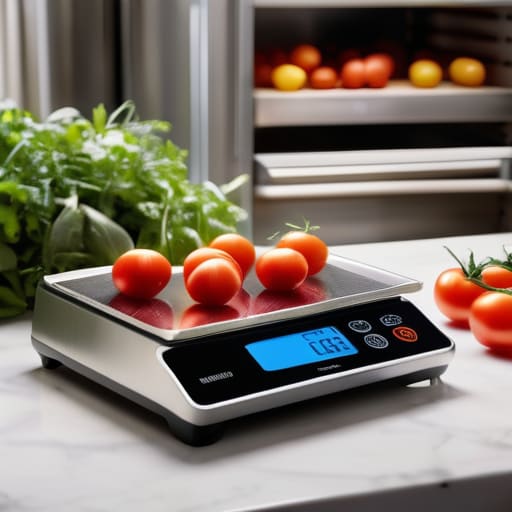
You can have the most sophisticated menu engineering strategies in the world, but if you don’t know exactly how many grams of shallots are sitting in your walk-in, you’re just guessing. I spent years thinking I could manage my stock with a clipboard and a sense of intuition, but intuition doesn’t pay the electric bill. The truth is, unless you are using proper inventory management systems, you are essentially playing a high-stakes game of hide-and-seek with your own profit margins. Every bruised tomato and every unrecorded bottle of Pinot is a slow leak in your ceiling.
It isn’t just about the software, though; it’s about the discipline of the people using it. Real control happens when you bridge the gap between the office and the prep station through rigorous kitchen staff training. If your commis thinks a “generous pour” of oil is a personal expression of kindness rather than a line item on a spreadsheet, your margins are dead on arrival. You have to teach them that every ounce matters, because once that product leaves the pantry without being logged, it’s gone forever—and you’re the one left footing the bill.
Five Ways to Stop Your Kitchen From Eating Your Profits
- Stop treating your prep cooks like artists and start treating them like technicians. I know, I know—everyone wants to talk about “culinary soul,” but if your junior chef is chopping shallots with the reckless abandon of a teenager, they are throwing your margin into the bin. You need standardized prep sheets and, more importantly, you need to actually watch them do it. If they aren’t weighing the protein or using the correct scoop, your theoretical food cost is a fairy tale.
- The menu is a living thing, not a stone tablet. If you have a dish on there that requires a specific, expensive herb that only grows three months a year, you aren’t being “seasonal”—you’re being reckless. Every item on that menu needs to earn its keep by using ingredients that cross-pollinate with at least three other dishes. If a garnish sits in the walk-in for four days before it’s used, you aren’t serving food; you’re serving expensive compost.
- Watch the “Special” trap. I see it all the time: a chef gets inspired and throws a “Chef’s Special” on the chalkboard to move some leftover stock. Half the time, they end up using more expensive ingredients to make it “special” enough to justify the price, or they create a whole new set of prep requirements that throw the entire kitchen’s rhythm out of whack. If a special doesn’t utilize existing inventory and requires zero extra labor, it’s a tool; if it requires more, it’s a liability.
- Get comfortable with the “ugly” truth of waste logs. Most owners treat the waste bin like a dirty secret, but it’s actually your most honest accountant. If you aren’t recording every burnt steak, every dropped tray, and every bruised tomato, you don’t know where your money is going. A waste log isn’t a way to punish the staff—it’s a way to see if your ordering is too heavy or if your training is too light. You can’t fix what you refuse to look at.
- Negotiate like you mean it, but don’t be a bully. Your suppliers are your partners, but they aren’t your friends. I spent years checking every single invoice against the delivery note because I knew that a “mistaken” case of butter or an extra bag of flour is just a slow leak in my bank account. Check the weights, check the quality, and if the price of eggs jumps 20% overnight, don’t just swallow it—call them and ask why. You’d be surprised how much “clerical errors” vanish when they realize you’re actually counting.
The Bottom Line: Three Truths to Carry to the Pass
Stop treating your ingredients like an infinite resource; if you aren’t measuring every ounce of protein and every gram of garnish, you aren’t managing a kitchen, you’re running a charity that your landlord won’t be happy about.
Inventory isn’t just a chore for the slow Tuesday afternoons—it’s your only way to see the ghosts in your pantry, like that expensive balsamic that’s been sitting half-empty for a month or the theft that’s masquerading as “heavy-handedness” on the line.
Real profit lives in the gap between what you think you’re spending and what you’re actually using; master your yields and your portion controls now, or you’ll find yourself working fourteen-hour days just to break even.
The Myth of the 'Extra' Ingredient
Every time a chef decides to add a ‘little something extra’ to a plate without checking the spec sheet, they aren’t being creative—they’re being reckless with someone else’s mortgage. You can’t cook your way out of a math problem, and you certainly can’t hide a shrinking margin behind a garnish.
Rosalind Achterberg
The Bottom Line
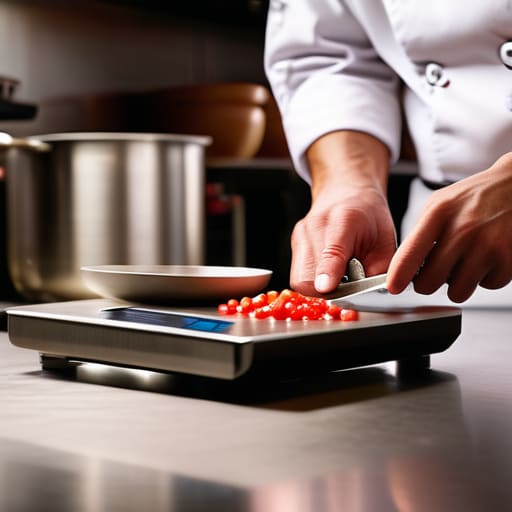
At the end of the day, controlling your food cost isn’t about being stingy with the butter or buying the cheapest, most tasteless produce you can find. It’s about the discipline of the details: knowing your yields so you aren’t throwing profit in the bin, mastering your prime cost so you aren’t flying blind, and keeping a hawk-eye on your inventory before it walks out the back door. You can have the most talented chef in the city, but if they don’t respect the math behind the plate, all they’re doing is making beautiful food that you can’t afford to serve. You have to treat every gram of protein and every ounce of oil like it’s your own hard-earned money, because in a sixteen-cover room or a hundred-seat bistro, it absolutely is.
Running a restaurant is a beautiful, exhausting, and often thankless pursuit, but don’t let the numbers swallow the soul of what you do. The goal of all this counting and tracking isn’t to turn you into a bean-counter; it’s to give you the breathing room to actually be a restaurateur again. When you plug the leaks and stabilize your margins, you aren’t just saving a business—you are protecting the people who work for you and the dream that brought you here in the first place. Tighten the screws on the back end so you can keep the lights on and the wine flowing for another year.
Frequently Asked Questions
If my food cost percentage looks right on paper but my bank account is still empty, where am I actually losing the money?
If your spreadsheets say you’re profitable but your bank account says you’re starving, you’re likely bleeding through “invisible” costs. Check your waste logs—not just the obvious burnt steaks, but the half-used herbs rotting in the crisper. Look at your portioning; if your chef is “generous” with the protein, your margin is disappearing into the bin. Most often, it’s theft or unrecorded comps. If it isn’t on the invoice or the till, it’s gone.
How much time should I realistically spend on inventory without letting it stop me from actually running the floor?
If you’re spending four hours a night staring at a clipboard, you aren’t a manager; you’re a glorified bookkeeper, and your staff is suffering for it. I used to try and do everything, but I learned the hard way: inventory should be a surgical strike, not a marathon. Aim for one deep, focused count a week—ideally during a slow morning—and quick daily spot-checks on high-value proteins. If it takes longer than that, your system is broken, not your work ethic.
At what point does tightening portion control stop being "efficiency" and start being the reason my regulars stop coming back?
It stops being efficiency the moment the plate looks lonely. If a guest leaves feeling like they’ve just had a snack rather than a meal, you haven’t saved money—you’ve just paid for the privilege of losing a customer. You can shave grams off a garnish or standardize a pour, but if you touch the soul of the dish or the perceived value of the plate, you’re just managing a slow bankruptcy.
