
 Written by
 I’ve sat on both sides of the pass, and if there’s one thing I’ve learned, it’s that most people approach a professional lunch like they’re auditioning for a role in a period drama. They think they need white tablecloths, a sommelier who treats them like royalty, and a menu so expensive it feels like a threat. They’re wrong. If you’re trying to learn how to host a business meal, the last thing you want is a venue that’s trying too hard; a room that’s all velvet and no substance usually means the service is sluggish and the kitchen is overcompensating for a lack of soul. You aren’t there to perform grandeur, you’re there to facilitate a conversation, and nothing kills a deal faster than a waiter who interrupts your most important point to ask if you’re “still enjoying the sea bass.”
I’m not going to give you a list of etiquette rules from a dusty textbook or tell you which Michelin stars to chase. Instead, I’m going to tell you what actually matters: the acoustics of the room, the timing of the bill, and how to pick a menu that doesn’t leave your guest feeling socially hostage to a difficult dish. I’ve spent thirty-eight years watching how money and ego collide over a dinner plate, and I’m going to show you how to navigate it all without breaking the bank or your professional reputation.
Restaurant Selection for Business Meetings Choosing the Right Room
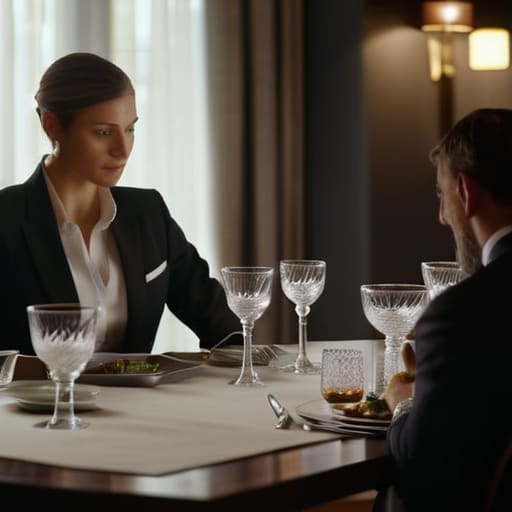
When you’re hosting clients at restaurants, your biggest enemy isn’t a bad menu; it’s the acoustics. I’ve seen too many deals die in rooms where you have to lean across the table like you’re sharing a state secret just to be heard over a DJ or a clattering open kitchen. If you can’t hear the person sitting opposite you without straining, you aren’t having a meeting; you’re performing a feat of endurance. Look for booths or heavy tablecloths—they do more for your privacy than any “quiet corner” a host promises you.
The second mistake is ignoring the tempo of the room. If you’re looking for restaurant selection for business meetings that require a quick decision, avoid the places that pride themselves on “slow food” or a leisurely, multi-course experience. You don’t want to be stuck in a thirty-minute lull between the appetizer and the main while you’re trying to navigate a tricky contract. You need a place where the staff understands that timing is a component of the service, not just a suggestion. Choose a venue that moves with purpose, so the food supports your agenda rather than hijacking it.
Professional Dining Etiquette Why the Quiet Table Wins
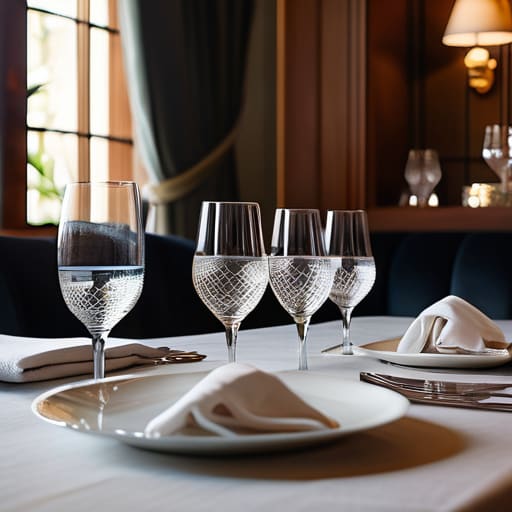
When you’re hosting clients at restaurants, everyone focuses on the menu, but they forget the most important ingredient: acoustics. I’ve seen too many deals die in a room where you have to lean across the table like you’re sharing a state secret just to be heard over a DJ or a clattering open kitchen. True professional dining etiquette isn’t about which fork you use—though that matters less than you think—it’s about controlling the environment. If you can’t hear the person across from you without straining, you aren’t having a meeting; you’re just performing a very expensive shouting match.
The goal is to find that sweet spot where the service is invisible but efficient. You want a table that offers a sense of privacy without feeling isolated. I always tell my old staff that a successful business lunch etiquette tip is to choose a spot where the staff knows how to read the room. You need a waiter who can refill a water glass without interrupting a crucial point about a contract. The quiet table wins because it allows the focus to remain on the person, not the background noise.
The Logistics of the Deal: Five Ways to Keep the Focus on the Business, Not the Bill
- Master the Menu Before You Sit Down. Don’t walk into a room and spend ten minutes staring at the laminated cards like you’ve never seen food before; it kills the momentum. If you’re the host, scan the menu ahead of time. You need to know if they have a decent vegetarian option or if the steak is the only thing that won’t take forty minutes to cook. If the menu is a twenty-page tome, you’ve already lost the room.
- Control the Pace, Not Just the Plate. A business meal isn’t a marathon, and it isn’t a sprint. If your guest is a “one-course person” and you’re eyeing the tasting menu, you’re making a mistake. Watch the table. If the conversation is hitting its stride, don’t let a waiter interrupt with a flurry of bread baskets and water refills. A good host knows when to signal the kitchen to slow down and when to nudge the dessert menu to wrap things up.
- The “Invisible” Service Rule. You want a waiter who is efficient, not performative. There is nothing worse than a server who treats every table like they’re performing at the West End, hovering just long enough to make you feel watched. You want the person who refills the water without making eye contact and clears the plates without breaking your sentence. If you have to flag someone down, the host has failed the room.
- Get the Bill Out of the Equation. The worst thing you can do is engage in a tug-of-war over the check at the end of the meal. It’s awkward, it’s loud, and it’s unprofessional. If you are hosting, you are paying. Period. If you can, give the card to the server quietly at the start or when you’re halfway through the main course. The goal is for the bill to simply vanish, leaving only the conversation behind.
- Respect the Bottom Line (and the Staff’s). If you’re hosting a group, be mindful of the “hidden” costs of your choices. Ordering three bottles of heavy red when the table is only four people is a waste of your budget and the restaurant’s stock. More importantly, don’t be the person who tries to squeeze a high-stakes negotiation into the last fifteen minutes of service. We’re all human; the kitchen is tired, the staff is counting down the minutes, and a rushed meal is a bad meal for everyone involved.
The Bottom Line: Three Rules for the Business Host
Respect the kitchen’s rhythm; don’t try to close a complex deal during the Friday night rush when the staff is fighting fires, because a stressed kitchen leads to slow service and a distracted guest.
Watch the water glasses, not the menu; your job as a host is to manage the flow of the evening so your guest never has to hunt down a waiter, allowing the conversation to remain the focus.
Understand that the bill is the final piece of the negotiation; always handle the payment discreetly and ahead of time so you aren’t fumbling with a credit card machine while your guest sits in an awkward, unpaid silence.
The Real Cost of the Menu
If you’re trying to close a deal, don’t be the person who orders from a menu that requires a ten-minute explanation; you want a kitchen that moves like a clock, because every minute your guest spends staring at a confusing list of ingredients is a minute they aren’t listening to your pitch.
Rosalind Achterberg
The Final Check
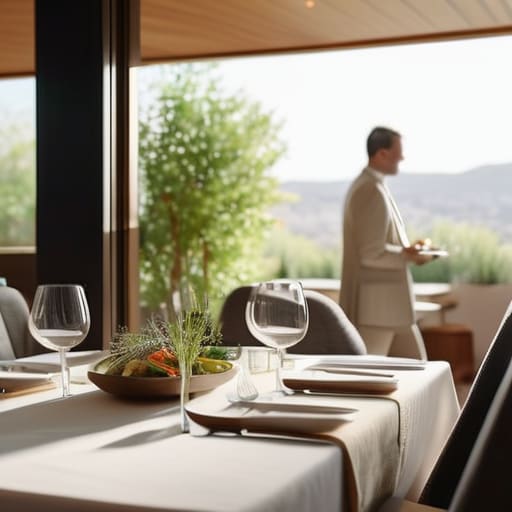
At the end of the day, hosting a business meal isn’t about showing off a fancy vintage or a Michelin star; it’s about managing the friction between the food and the conversation. You’ve picked the right room, you’ve secured a quiet corner where you won’t have to shout over a DJ, and you’ve understood that the goal is a seamless flow, not a culinary spectacle. Remember that the most expensive mistake you can make is choosing a menu that requires too much heavy lifting from your guests. If they leave the table feeling physically weighed down or mentally distracted by a service hiccup, you haven’t hosted a meeting—you’ve just hosted a distraction.
If you take nothing else from my years behind the pass, take this: respect the staff, respect the timing, and respect the person sitting across from you. A successful business meal is one where the service is so steady and the environment so considered that the business itself feels like the only thing in the room. When you get it right, you aren’t just closing a deal; you are building a reputation for reliability and grace. Now, go out there, pick a place with decent lighting, and for heaven’s sake, make sure the water glasses stay full.
Frequently Asked Questions
How do I handle the bill without making the whole table feel like they're being audited?
The bill is where the magic dies and the math begins. If you pull out a calculator and start dissecting every side of fries, you’ve lost the room. Don’t make it a performance. The smoothest way is the “pre-emptive strike”: give your card to the server when you first sit down or during a lull in conversation. If you must settle at the table, keep it quiet, keep it singular, and for heaven’s sake, leave the receipts in your folder.
What’s the real protocol for dealing with a client who orders the most expensive bottle on the list?
Don’t panic and don’t try to outspend them; that’s a race to a very expensive loss. If they order the top-shelf Cabernet, let them. It’s a signal of their intent, not a challenge to your bank balance. Your job is to ensure the service is seamless so the wine actually tastes like what they paid for. If you’re paying, keep the wine list in your hand, not on the table, and steer the conversation toward the business at hand.
If the service starts to lag or the kitchen messes up, do I step in or let the professional staff handle it?
Never make a scene. If you start lecturing the waiter in front of your clients, you haven’t just failed the meal; you’ve made everyone at the table feel deeply uncomfortable. That’s the real cost. Instead, catch the manager’s eye—not with a glare, but with a quiet, firm nod. Let them fix it. Your job is to maintain the atmosphere of the meeting, not to audit the kitchen’s performance.
