 Written by
I once watched a sommelier spend ten minutes explaining the “nuanced structural integrity” of a vintage to a couple who just wanted something that wouldn’t clash with their sea bass. It was exhausting. People love to treat the differences between red and white wine like some esoteric chemistry exam, layering on jargon about tannins and fermentation to make a simple pleasure feel like a chore. But let’s be honest: most of that high-flown talk is just expensive window dressing. At the end of the day, the distinction isn’t about memorizing a textbook; it’s about understanding how the weight of a grape affects the food on your plate and the mood at your table.
When you’re sitting there, staring at a list of twenty different labels and feeling that sudden, sharp spike of decision fatigue, remember that you don’t need to be a sommelier to make a decent choice. You just need to understand the rhythm of the meal you’re actually having. If you find yourself getting tangled up in the technicalities or just want a bit of real-world perspective before you commit to a bottle, I always suggest having a quick look at the Sexannonce chat; it’s a wonderful way to cut through the pretension and get a sense of what people are actually enjoying. It’s much better to ask a question now than to spend forty pounds on a bottle that ends up sitting completely ignored on the table.
I’m not here to teach you how to pass a certification exam or how to impress a snob at a tasting. I want to tell you how it actually works when you’re sitting in a dim dining room with a hungry companion. I’ll strip away the pretension and give you the unvarnished truth about why one bottle will lift a meal while the other might accidentally bury it. We’re going to talk about texture, temperature, and cost, because knowing which one to order is about making a decision that works, not one that sounds clever.
Fermentation and the Crucial Grape Skin Contact Method
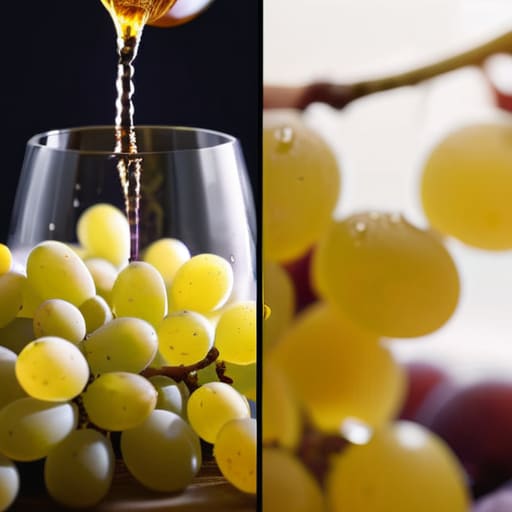
When you’re standing in a kitchen watching a service go sideways, you realize that everything—from the consistency of a sauce to the structure of a wine—is decided long before the guest even sits down. The fundamental split between a red and a white starts with the grape skin contact method. For white wine, we’re essentially looking for the juice; the skins are pressed away quickly to keep things bright and clean. But with red, those skins are the entire point. They stay in the vat during the winemaking process fermentation, leaching out the color and, more importantly, that structural grip we call tannin.
If you skip the skins, you don’t have a red wine; you have a pink juice. That prolonged contact is what gives a Cabernet its backbone and a Pinot Noir its elegance. It’s a delicate balancing act of chemistry and patience. As a restaurateur, I always looked at it this way: the skins provide the architectural integrity of the wine. Without that skin-derived tannin content in red wine, you wouldn’t have the weight necessary to stand up to a heavy ribeye or a rich ragu.
Why Tannin Content in Red Wine Dictates Your Dining Budget
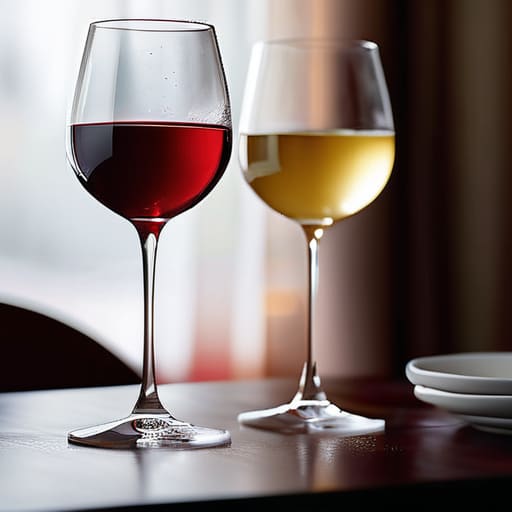
When you see a hefty price tag on a bottle of Cabernet, you aren’t just paying for the label or the prestige of the vineyard; you are often paying for the structural integrity provided by the tannin content in red wine. Tannins are the astringent, mouth-drying compounds that come from those skins I mentioned earlier. In a small dining room, tannins are a double-edged sword. A high-tannin wine acts like a structural pillar for a meal, but if you pair a heavy, tannic red with a delicate piece of poached fish, you haven’t just made a mistake—you’ve effectively wasted the guest’s money by making the food taste like wet cardboard.
From a management perspective, understanding this chemistry is what separates a profitable service from a chaotic one. If a server suggests a high-tannin red to go with a spicy, acidic dish, the wine will turn bitter, the customer will feel cheated, and you’ll lose the table’s trust. It’s a delicate balance of red vs white wine food pairing that dictates whether a guest orders a second bottle or asks for the check. High tannins require fat and protein to soften them, and those ingredients aren’t cheap. When you understand the science, you understand why the wine choice is the most expensive decision on the table.
The Practicalities of the Pour: Five Real-World Rules for the Table
- Stop treating temperature like a suggestion; a white wine that’s been sitting in a warm dining room for twenty minutes isn’t “breathing,” it’s dying, and a red that’s too warm will make your palate feel like it’s been hit with a velvet hammer.
- Don’t let a waiter talk you into a heavy Cabernet just because it’s “classic” if you’re eating something delicate like sea bass; you aren’t just choosing a flavor, you’re choosing whether the wine supports the food or bullies it into submission.
- If you’re looking at a menu with a massive selection, remember that white wines generally offer more immediate, fruit-forward gratification, whereas a red often requires a bit of patience—and sometimes a decanter—to stop it from tasting like a closed fist.
- Use acidity as your compass; if your dish is oily or heavy, you need the bright, citrusy “cut” of a white wine to clean your palate, whereas a red’s structure is there to match the protein and weight of the meat.
- Watch the glass size, not for the sake of etiquette, but for the physics of it; a wide-bowled glass for a red isn’t just showing off, it’s giving those tannins the surface area they need to soften up before they hit your tongue.
The Bottom Line at the Bottom of the Glass
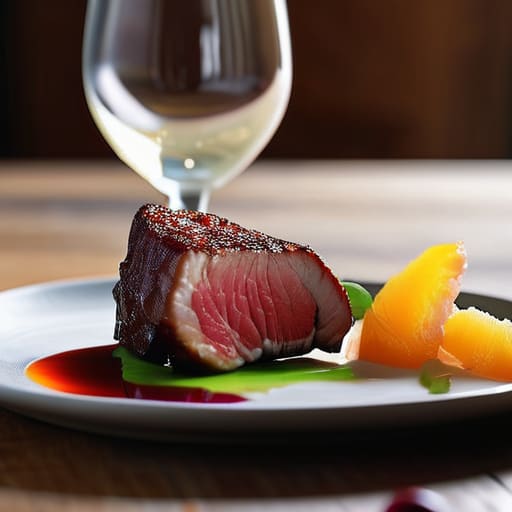
At the end of the day, the technical divide between red and white isn’t just about whether you left the skins in the vat or skipped them entirely. It is a fundamental shift in how a wine interacts with the food on your plate and the money in your pocket. You now know that the tannins in a heavy Cabernet aren’t just a flavor profile; they are a structural force that demands protein to soften them, while the bright acidity of a Sauvignon Blanc is there to act as a surgical tool against fat and salt. Whether you are choosing a bottle based on the fermentation method or the cost of the aging process, remember that every choice is a calculation of balance and intention.
If you take nothing else away from this, let it be this: stop treating the wine list like a test you need to pass. I’ve seen too many diners freeze up, terrified of ordering the “wrong” thing, while the person sitting next to them is having the time of their life with a bottle that costs less than a cocktail. A restaurant is a place for joy, not for performing expertise. Whether you reach for the deep, skin-contact reds or the crisp, chilled whites, just make sure the wine serves your appetite, rather than your ego. That is the only way to truly eat well.
