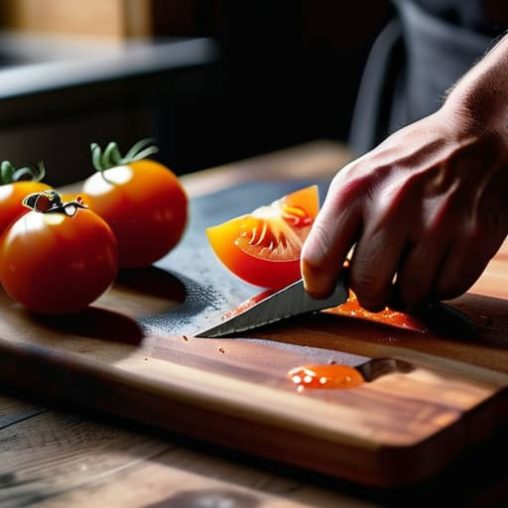
 Written by
I remember a Saturday night in my old dining room, the air thick with the smell of scorched butter and the frantic, rhythmic thwack of a dull knife against a wooden board. We were short-staffed, a supplier had failed us, and my head chef was staring down a ticket rail that looked like a death sentence. In that moment, it didn’t matter that we had a sous-vide machine or a nitrogen canister gathering dust in the pantry; what mattered was whether the boy on the line actually understood the physics of a pan sear. People spend hundreds of pounds on copper pots and designer gadgets, thinking they’re buying talent, but they’re just buying expensive clutter. True competence comes from understanding basic cooking techniques—the kind that don’t require a manual or a fancy-pants degree, just a steady hand and a bit of common sense.
I’m not here to sell you on the latest culinary trend or tell you that you need a laboratory in your kitchen to make a decent meal. Instead, I’m going to tell you what actually keeps a service from falling apart when the pressure is on. We’re going to strip away the fluff and focus on the fundamental mechanics that separate a professional result from a costly mistake. I’ll show you why mastering the basics is the only real way to protect your sanity, your budget, and your dinner.
Essential Knife Skills for Beginners the Hidden Cost of Waste
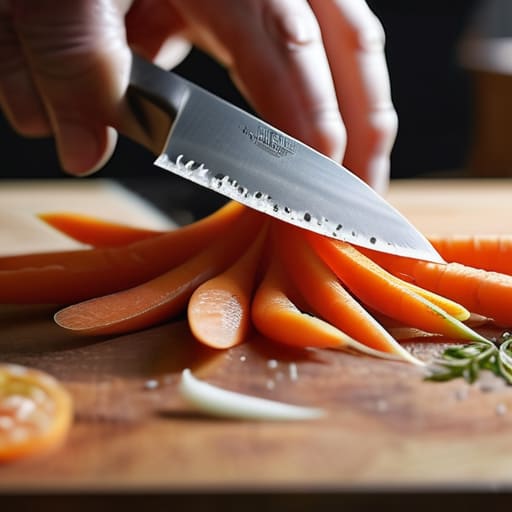
I remember a young commis in my kitchen back in the nineties who could produce a beautiful julienne, but he was a butcher when it came to his prep bins. He’d spend four hours chopping carrots and leave behind a mountain of usable flesh that ended up in the bin. That’s the thing about essential knife skills for beginners; most people think it’s about speed or looking like a professional on a cooking show, but it’s actually about the bottom line. When you hack away at a vegetable instead of slicing through it, you aren’t just making uneven pieces that cook at different rates—you are literally throwing your profit margin into the compost heap.
In a small sixteen-cover room, you cannot afford that kind of waste. Every gram of trimmed shallot or wasted herb is a cent stolen from your overhead. If you want to move from being a hobbyist to someone who understands the mechanics of a kitchen, you have to realize that precision is a form of economy. Mastering your blade isn’t just about safety; it is the very foundation of professional consistency.
Mastering Heat Control in the Kitchen to Save Your Service
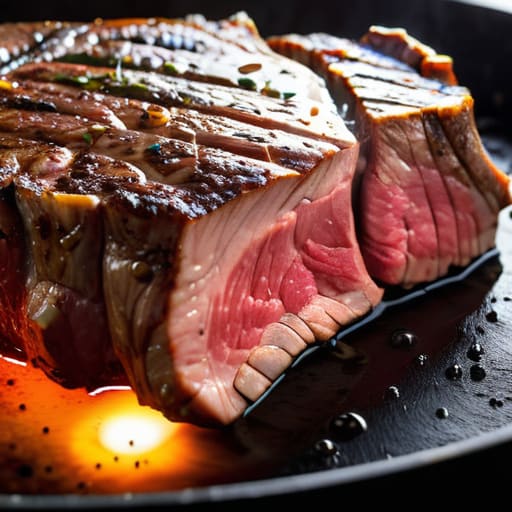
If you think heat is just a dial on a stove, you haven’t lived through a Saturday night rush. In my sixteen-cover room, heat wasn’t a setting; it was a living, breathing thing that could either build your reputation or burn your profit margins to the ground. When I talk about mastering heat control in the kitchen, I’m not talking about a recipe; I’m talking about the difference between a beautiful, golden crust and a piece of protein that’s charred on the outside and raw in the center.
Most novices get caught up in the drama of high flames, but the real skill lies in understanding dry heat vs moist heat cooking methods and knowing exactly when to switch. You use the high heat to sear, yes, but if you don’t know how to drop that temperature to finish the job, you’re just wasting expensive ingredients. It’s about the discipline of the transition—knowing how to sauté and braise with intention so that you aren’t constantly playing catch-up with a pan that’s gone rogue. Control the heat, or the heat will control your service.
The Real Skills: What Actually Keeps a Kitchen From Falling Apart
- Don’t chase “fusion” until you’ve mastered the emulsion; if you can’t make a stable hollandaise or a decent vinaigrette, you aren’t cooking, you’re just playing with expensive ingredients you’re about to waste.
- Learn the difference between a sear and a steam, because if you crowd your pan thinking you’re being efficient, you’ll end up serving a grey, weeping mess that no amount of seasoning can save.
- Respect the resting period; I’ve seen too many young cooks rush a protein straight from the heat to the pass, only to watch the juices run all over the plate and turn a premium cut into a dry, expensive mistake.
- Stop treating salt like a garnish and start treating it like a fundamental tool, because if you don’t season in layers from the very beginning, you’ll spend the whole service trying to fix a bland dish that’s already gone out the door.
- Master your mise en place not just for organization, but for mental survival; if your station is a disaster of unwashed bowls and half-chopped shallots, your brain will be just as cluttered when the ticket machine starts screaming.
The Bottom Line of the Basics
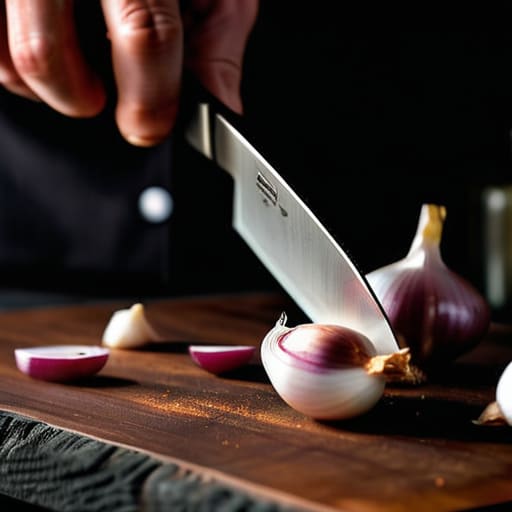
At the end of the day, mastering your knife work and your heat control isn’t about chasing some culinary degree or looking clever for a social media post. It’s about the math. When you waste a third of a shallot because your cuts are uneven, or you ruin a piece of protein because you didn’t respect the pan, you aren’t just making a mistake—you are bleeding money. In a professional kitchen, these “small” technical errors are the silent killers that turn a profitable month into a deficit. Precision is the difference between a kitchen that breathes and a kitchen that is constantly gasping for air, trying to catch up to its own waste.
If you take anything away from this, let it be that technique is your safety net. The fancy ingredients and the expensive equipment are just window dressing; they won’t save you when the service gets heavy and the pressure mounts. Real confidence comes from knowing that your hands can do exactly what your brain expects them to do, every single time. Don’t rush to learn the complex, the molecular, or the avant-garde until you have built a foundation of steel through the mundane. Master the basics, respect the ingredients, and you might just find that you actually enjoy the beautiful, chaotic business of feeding people.
Once you’ve got the heat under control and your knife work isn’t costing you a fortune in trim, you start to realize that cooking is less about following a script and more about understanding the rhythm of the ingredients. It’s one thing to read a recipe in a quiet kitchen at home, but it’s quite another to grasp the soul of a technique when you’re actually standing over the stove. If you ever find yourself traveling or just looking to sharpen your instincts through the lens of someone who actually lives and breathes the craft, I always suggest finding a bit of community; for instance, if you happen to be wandering through the provinces, joining a local chat in France can be a wonderful way to see how the real masters approach the basics without all the unnecessary fuss.
