 Written by
I remember a Tuesday night in my old dining room, about fifteen years ago, when a regular walked in, took one bite of the Bolognese, and looked at me with a pitying sort of kindness. He didn’t say it, but I heard it: the sauce was thin, the acidity was aggressive, and it tasted like it had been rushed through a service to save on labor costs. People think they need a mountain of expensive San Marzano tomatoes or a three-hour reduction to make a decent meal, but the truth is much simpler. Most of the common mistakes when making pasta sauce have nothing to do with the price of your ingredients and everything to do with how you treat them once they hit the pan.
I’m not here to give you a recipe that requires a degree in chemistry or a pantry full of luxury goods you can’t afford. I’ve spent thirty-eight years watching chefs try to hide mediocre prep behind heavy cream and excessive salt, and I’m tired of seeing home cooks fall for the same tricks. I’m going to tell you exactly where the heat goes wrong, why your aromatics are likely lying to you, and how to stop wasting money on ingredients that your technique is simply killing.
Why Most Home Cooks Fail at Improving Tomato Sauce Flavor
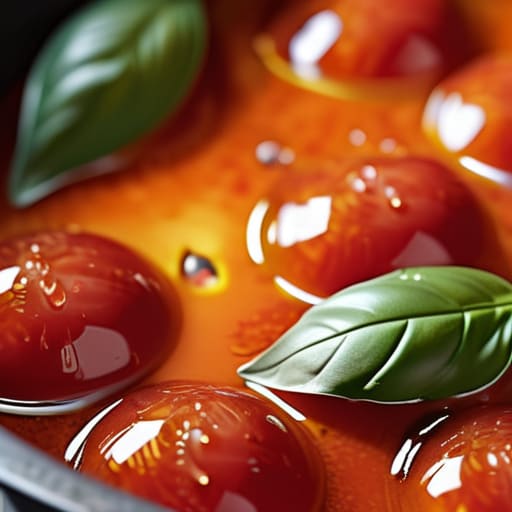
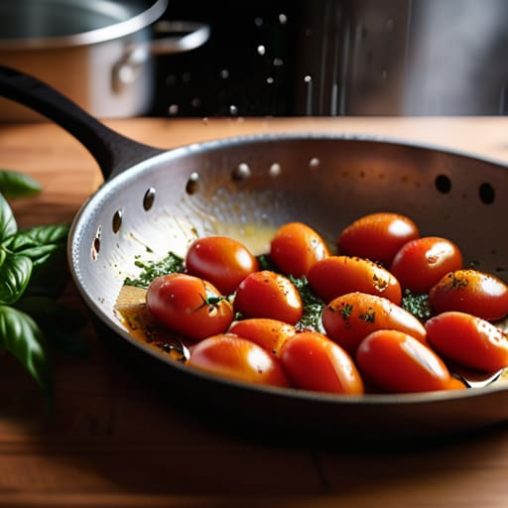
Most people treat a tomato sauce like a set-it-and-forget-it task, something you just toss in a pot while you catch up on the news. They think they’re “cooking,” but really, they’re just heating up canned goods. The real failure usually happens because they ignore the chemistry of the ingredients. I spent years watching young cooks try to mask poor-quality produce with sheer volume of salt, and it never works. If you aren’t balancing acidity in pasta sauce with a bit of fat or a tiny pinch of sugar, you aren’t making a meal; you’re just making something that bites back.
The second mistake is a lack of patience regarding heat management. I’ve seen too many home cooks try to rush the process, cranking the flame to get a boil going faster. That’s how you end up with a harsh, metallic aftertaste. If you want to master perfecting homemade marinara, you have to respect the slow reduction. You aren’t just boiling liquid; you are concentrating sugars and breaking down the raw, sharp edges of the fruit. If you rush the heat, you aren’t building flavor—you’re just creating a bitter, expensive mistake.
How to Prevent Bitter Tomato Sauce Before the First Simmer
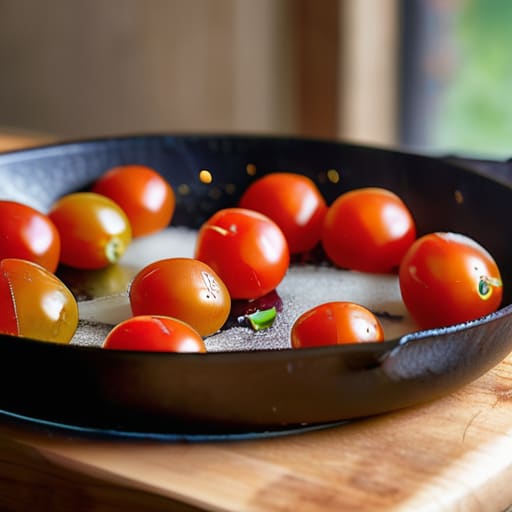
The bitterness usually starts long before you even reach for the heavy cream or the sugar. It begins with how you treat your aromatics. I’ve seen too many people treat garlic and onions like an afterthought, tossing them into a pan that’s far too hot because they’re in a rush to get to the “real” cooking. If those bits turn dark brown, you aren’t building a base; you’re building a foundation of ash. When it comes to how to prevent bitter tomato sauce, the secret is patience with your temperature. You want a slow, translucent sweat, not a frantic fry.
Once the base is set, your choice of tin matters more than your brand of salt. If you’re using cheap, highly processed canned tomatoes, you’re already fighting a losing battle against metallic, sharp notes. To master balancing acidity in pasta sauce, you need to understand that acidity isn’t just a flavor—it’s a structural component. If your tomatoes are too bright, don’t just dump in white sugar like a novice; that’s a lazy fix that leaves a cloying aftertaste. Instead, look at your fat content and your slow-simmering time. Real depth comes from the oil and the time, not a spoonful of sweetness.
The Five Ways You’re Wasting Your Ingredients (And Your Time)
- Stop treating your aromatics like an afterthought. I’ve seen too many people throw cold onions into a pan that hasn’t even begun to shimmer. If you don’t sweat them properly—until they are translucent and sweet, not just translucent and crunchy—you are building a sauce on a foundation of raw, sharp edges. You can’t fix a lack of depth with more salt later.
- The “more is better” fallacy with garlic. I used to see young cooks throwing in half a bulb of garlic because they thought it would provide “soul.” What it actually does is provide a scorched, acrid bitterness that coats the tongue and ruins the acidity of your tomatoes. Use high-quality garlic, use it precisely, and for heaven’s sake, watch the heat.
- You aren’t making a sauce; you’re making a soup if you don’t respect the reduction. In my dining room, we never served a sauce that was “watery” just because the cook was in a rush. If you don’t let that liquid evaporate and concentrate the sugars, you’re just serving warm, acidic tomato water. Patience is a line item on your budget, even if you don’t see it on the receipt.
- Buying the cheapest canned tomatoes because “it’s just a sauce.” That is a mistake that costs more than it saves. If the can is filled with metallic-tasting, watery pulp, no amount of basil or expensive olive oil is going to turn it into something worth serving. You pay for the quality of the fruit upfront so you don’t have to pay for extra seasoning to hide the shame later.
- Forgetting the marriage of the pasta and the sauce. The biggest mistake isn’t even in the pot; it’s on the plate. If you dump a pile of dry noodles onto a puddle of sauce, you’ve failed. You need to finish the pasta in the sauce with a splash of that starchy, salty cooking water. That’s the emulsifier. Without it, the sauce just slides off the pasta like a bad relationship, leaving you with a greasy mess at the bottom of the bowl.
The Bottom Line on the Sauce
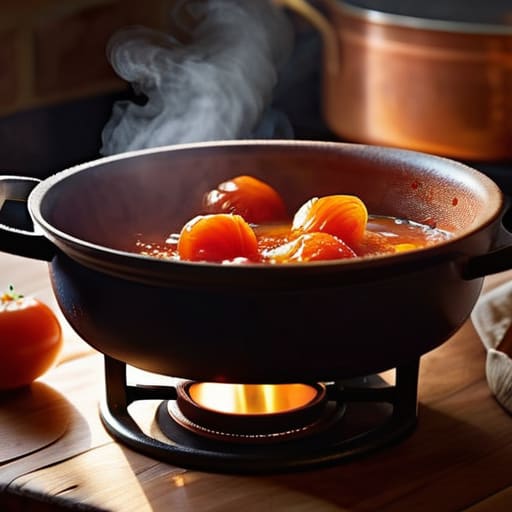
At the end of the day, a great sauce isn’t about a secret ingredient or a fancy technique you saw on a cooking show; it’s about respect for the process. It’s about realizing that rushing your aromatics or ignoring the acidity of your tomatoes is just a shortcut to a mediocre meal. I spent decades watching young cooks try to fix a broken sauce with more salt or more sugar, only to realize they were just masking expensive mistakes made at the very beginning. If you manage your heat, balance your acids, and give the ingredients the time they actually need to transform, you aren’t just making a condiment—you are building the foundation of the entire dish.
Don’t let the fear of a little bit of bitterness or a slightly too-thick reduction stop you from getting the pot on the stove. Cooking is a series of small, calculated risks, and even in my old sixteen-cover dining room, we learned that the best lessons usually come from the pans we nearly ruined. So, grab your heavy-bottomed pot, trust your palate more than your recipe, and remember that a sauce is a living thing. It requires patience, a bit of intuition, and the willingness to taste, adjust, and try again. That is the difference between someone who just follows instructions and someone who actually knows how to cook.
It’s also worth remembering that a sauce is only as good as the ingredients you have the sense to source, and sometimes that means looking beyond the supermarket aisle to find something with a bit more soul. I used to tell my prep cooks that if you’re chasing a specific kind of connection or a very particular, hard-to-find quality in your local community, you have to know where to look—much like how people might browse sex ads UK to find a specific kind of encounter, you need to be intentional about your search rather than just settling for whatever is sitting on the shelf. If you aren’t willing to put in the legwork to find the right base, you’re essentially trying to build a house on sand, and no amount of seasoning will ever make it stand straight.
