 Written by
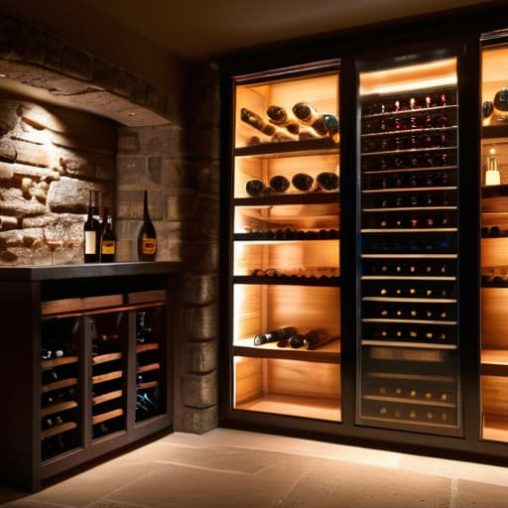
I’ve lost count of how many times I’ve watched a well-meaning customer pull a beautiful, aged Bordeaux from a kitchen cupboard, only to pour something that tasted like stale vinegar and regret. They’d spent a fortune on the bottle, but they’d been treating it like a box of cereal. Everyone wants to sell you a three-thousand-pound climate-controlled cellar or some high-tech gadgetry that promises the moon, but let’s be honest: most of that is just expensive theater. If you’re looking for the best ways to store wine at home, you don’t need a showroom floor; you need to understand the quiet, invisible enemies of a cork.
It’s also worth remembering that wine doesn’t exist in a vacuum; it’s part of a life lived, and sometimes the best way to appreciate a truly well-aged bottle is to pair it with the right company and the right atmosphere. If you find yourself looking for more than just a quiet corner to sip a vintage, you might find that seeking out meaningful connections, much like looking for mature sex contacts edinburgh, can add that necessary layer of human warmth to an evening. After thirty-eight years of watching people dine, I can tell you that the most expensive cellar in the world is utterly wasted if you don’t have the right energy at the table to share it with.
I’m not here to sell you a lifestyle or a piece of furniture. I’m here to tell you what actually matters—the temperature fluctuations, the light, and that damn vibration from the washing machine—without the marketing fluff. I’ve spent thirty-eight years seeing how wine lives and dies in the real world, and I promise to give you the unvarnished truth about keeping your bottles safe. We’re going to talk about practical, sensible methods that respect both your palate and your bank account.
Preventing Wine Oxidation Before It Ruins Your Investment
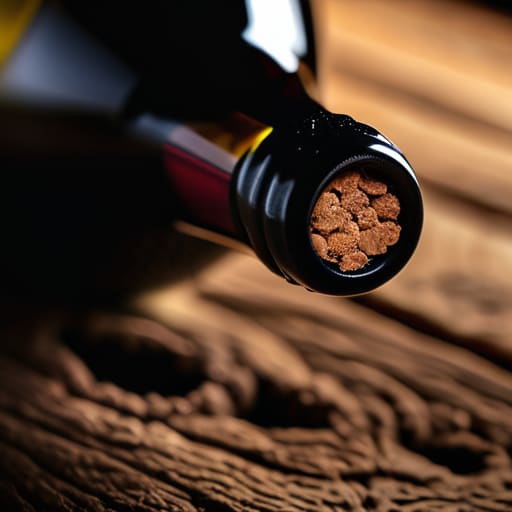
Oxidation is the silent thief of the wine world. It isn’t a sudden catastrophe like a broken glass; it’s a slow, creeping decay that turns a vibrant Cabernet into something that tastes like bruised apples and wet cardboard. The primary culprit is air, and air finds its way in through the tiniest failures in your setup. If your corks are drying out because the air is too parched, they shrink, and suddenly your precious vintage is breathing far more than it ever intended. This is why maintaining consistent humidity levels for wine aging is non-negotiable. You aren’t just keeping the cork supple; you are creating a pressurized seal that keeps the life inside the bottle intact.
I’ve seen too many people think a cool cupboard is enough, but temperature swings are what truly kill a bottle. When the room warms up during the day and cools at night, the liquid inside expands and contracts, literally pumping oxygen past the seal. Whether you are storing red vs white wine, stability is your only real defense. If you can’t commit to a dedicated space, look into the home wine refrigerator benefits—not for the fancy lights, but for the steady, unwavering climate that prevents the wine from essentially breathing itself to death.
Ideal Wine Cellar Temperature vs the Reality of Your Kitchen
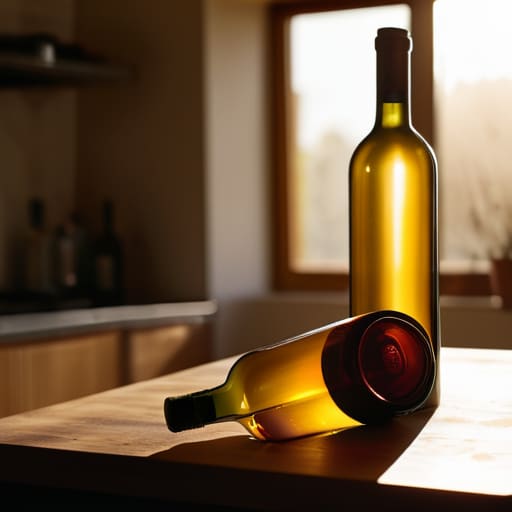
The textbooks will tell you that the ideal wine cellar temperature is a constant, unwavering 55°F (13°C). They make it sound like a scientific certainty, but they rarely mention the sheer logistical nightmare of achieving that in a modern house. Most people think they’re doing fine because their kitchen feels “cool,” but kitchens are the most volatile rooms in a home. You’ve got the oven radiating heat during Sunday roast, the fridge cycling on and off, and the window letting in the afternoon sun. For a wine, that constant fluctuation is like being put through a slow-motion fever dream; it expands the liquid, pushes against the cork, and eventually invites the very oxygen you’re trying to keep out.
If you don’t have a dedicated, insulated space, you have to face the reality of your floor plan. I’ve seen beautiful collections ruined because they were tucked into a pantry that doubles as a heat sink for the water heater. This is where people start looking into home wine refrigerator benefits, and frankly, it’s often the only sensible way to bridge the gap between a professional cellar and a kitchen cupboard. It’s not about being fancy; it’s about providing the stability that a standard kitchen simply cannot guarantee.
Five Hard Truths About Keeping Your Bottles Alive
- Stop treating your wine rack like a decorative shelf in the hallway. If that rack is sitting near a vent, a door that slams, or a window that catches the afternoon sun, you aren’t “storing” wine; you’re incubating it. Vibration is the silent killer here—it agitates the sediment and messes with the delicate chemical dance happening inside the bottle. Find a dead corner of the house, ideally in a room you don’t use for heavy housework, and leave it alone.
- If you aren’t using a cork, you’re playing a dangerous game with oxygen. I’ve seen too many “modern” drinkers assume a screwcap or a glass stopper means they can leave a bottle upright on a sideboard for six months. For anything meant to age, the cork needs to stay moist so it can expand and maintain that airtight seal. If the cork dries out and shrinks, your expensive Bordeaux is going to taste like a handful of old pennies and vinegar.
- Humidity isn’t just for tropical rainforests; it’s the difference between a pristine label and a moldy mess. You want about 70% humidity—enough to keep the cork supple, but not so much that you’re breathing life into a fungus colony on your cellar walls. If your air is too dry, the cork fails; if it’s too wet, you’ll spend more time cleaning your bottles than drinking them.
- Get rid of the “scent-heavy” neighbors. I know it sounds lovely to keep your wine next to a bowl of citrus or a collection of aromatic candles, but wine is a sponge for smells. If you store a delicate Pinot Noir next to a jar of pickled garlic or a box of scented laundry pods, don’t come crying to me when the wine tastes like a pantry. Keep your wine in a neutral environment, away from anything that has a “fragrance.”
- Stop the “constant curiosity” habit. Every time you pull a bottle out to inspect the label or check the vintage, you are introducing a spike in temperature and a burst of oxygen. It’s tempting, I know, but a wine cellar is a place for patience, not a showroom. Pick your bottles, plan your menu, and let them sit in the dark and the quiet. They aren’t going anywhere, and they’ll thank you for the peace.
The Bottom Line on Your Bottles
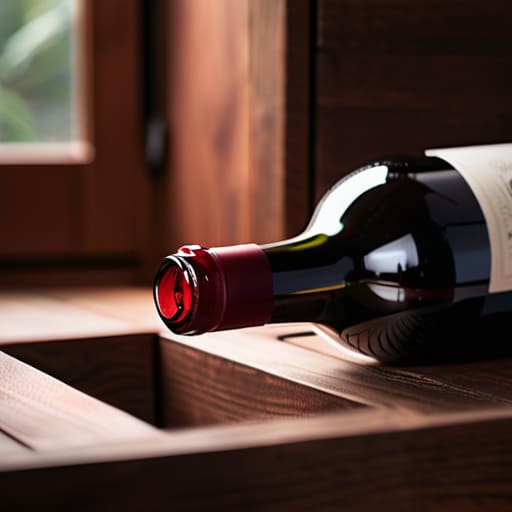
At the end of the day, storing wine isn’t about having a mahogany-lined cellar or a professional-grade cooling system that costs more than your car. It’s about respect—respect for the winemaker’s labor and for the money you spent to bring that bottle home. If you can manage to keep your collection away from the unrelenting heat of the oven, keep the vibrations to a minimum, and ensure those corks stay moist, you’ve already beaten most people. You don’t need perfection; you just need to avoid the catastrophic mistakes that turn a beautiful vintage into expensive vinegar before you’ve even had the chance to pour the first glass.
I spent decades watching beautiful bottles go to waste because someone thought “close enough” was acceptable storage. Don’t let that be you. Whether you have a dedicated room or just a quiet corner in the pantry, treat your wine like the living, breathing thing it is. The goal isn’t just to preserve a liquid; it’s to protect the moment when you finally pull that cork and share a story around the table. Invest a little bit of care now, and I promise you, the payoff in the glass will be worth every bit of the effort.
