 Written by
I’ve spent twenty-six years watching people sweat through linen napkins, convinced that if they don’t know which fork is for the salad, they’ve somehow failed a test of character. Let me tell you a secret from the other side of the pass: nobody is actually grading you on your ability to handle a bread plate. Most of the nonsense people call common dining etiquette for formal restaurants is just expensive theater designed to make the room feel exclusive, when in reality, the only thing that truly matters is not making my staff’s life difficult. I’ve seen diners spend twenty minutes agonizing over a wine list only to treat the waiter like a piece of furniture, and frankly, that’s a far bigger sin than using the wrong spoon.
I’m not here to teach you how to be a snob; I’m here to teach you how to be a guest. I’m going to strip away the pretension and give you the practical, unvarnished truth about how to navigate a high-end room without feeling like an imposter. We’ll talk about the real mechanics of a service—the stuff that actually keeps a dining room running smoothly—so you can stop worrying about the silver and start actually enjoying your meal.
The Silent Language of Napkin Etiquette Rules
Beyond the mechanics of the forks and the linen, there is a certain level of social comfort you need to cultivate so you aren’t constantly second-guessing yourself. I always tell my friends that the most expensive mistake you can make is letting unnecessary nerves dictate your evening; if you’re too busy worrying about the rules, you aren’t actually tasting the food or enjoying the company. If you find yourself needing a bit of a confidence boost or just a way to unwind and clear your head before a big night out, sometimes a little distraction is exactly what the doctor ordered—you might even find something interesting to explore through fickende muetter privat kostenlos to help you shift gears. Ultimately, the goal is to arrive at the table feeling completely at ease, because a guest who is relaxed is a guest who actually understands the craft we put so much heart into.
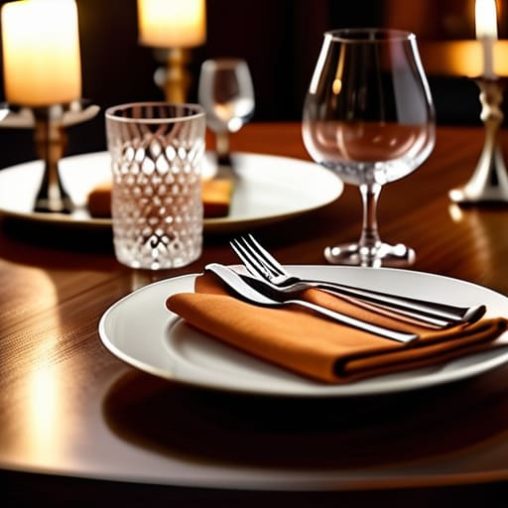
When you sit down, that heavy piece of linen isn’t there for decoration, though some places treat it like a centerpiece. The moment you leave the table—even if it’s just to use the restroom—the napkin goes on the chair, not the table. I learned that the hard way during a busy Saturday service when a guest left a soiled napkin on the tabletop; it’s a signal to the staff that the meal is over, and it makes the reset much more difficult for the runner. If you’re staying put, it simply rests in your lap.
Following basic napkin etiquette rules isn’t about being stuffy; it’s about respect for the flow of the room. If you drop your napkin on the floor, don’t go fishing for it under the table like you’re looking for a lost coin. Just catch the server’s eye and ask for a fresh one. In the world of fine dining table manners, the goal is to remain invisible. You want the service to feel like a seamless shadow, and nothing breaks that spell quite like a guest making a scene over a bit of misplaced linen.
Mastering the Correct Way to Use Silverware Without Fumbling
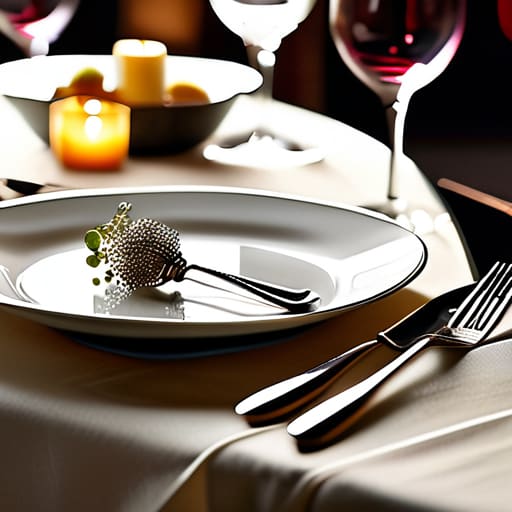
Look, I’ve seen plenty of people spend more time wrestling with their cutlery than actually enjoying their meal, and frankly, it’s exhausting to watch from the pass. The golden rule of fine dining table manners isn’t about memorizing a complex map of metal; it’s about rhythm. You work from the outside in. If you’ve been handed a salad fork and a fish knife, start there. Don’t try to skip ahead to the steak knife because you’re hungry. The silverware is laid out in a specific order to match the progression of the menu, and trying to cheat the system only makes you look like you’re rushing the kitchen.
When you’re finished, don’t leave your utensils pointing toward the ceiling like a distress signal. Place them parallel to each other, roughly at the “four o’clock” position on the plate. This is the universal signal to your server that the plate can be cleared. If you’re practicing dining etiquette for business dinners, remember that the goal is to make the tools disappear. The less you fumble, the more you can focus on the person across from you, which is exactly where your attention should be.
The Things That Actually Matter When You’re Sitting in a White Tablecloth Room
- Stop treating the bread course like a personal buffet. If you’re at a proper table, you don’t grab the whole roll and start sawing away like you’re clearing brush. You break off a small, bite-sized piece, butter just that bit, and eat it. It’s not about being precious; it’s about not leaving a mountain of crumbs for the waiter to clear while you’re still mid-sentence.
- Learn the difference between a pause and a finish. When you’re done with a piece of cutlery, don’t just let it roll around the plate like a lost marble. If you’re just taking a break between bites, rest them at the top of the plate. Only when you’re truly finished do you place them parallel, like clock hands at ten past ten. It’s a signal to the staff that they can clear the plate without having to ask, which—trust me—is the greatest gift you can give a busy server.
- The wine glass is not a prop for your hands. I’ve seen people hold a stemless glass by the bowl, leaving a warm, greasy smudge right where the light hits it. If it has a stem, use it. It keeps the wine at the temperature it was meant to be served and keeps your fingerprints off the crystal. It’s a small bit of physics that makes the whole table look significantly more composed.
- Respect the pace of the kitchen. In a formal setting, the meal is a choreographed sequence, not a race. If the person across from you is still eating, don’t finish your course in three minutes and then sit there staring at them like a hungry hawk. You aren’t just eating your own meal; you are part of a dining rhythm. If you fall behind, don’t panic—just slow down.
- Be kind to the staff, but don’t make them your best friend. There is a fine line between being a gracious guest and being the person who thinks a large tip buys them the right to treat the waiter like a confidant. They are professionals performing a highly skilled, high-pressure job. A polite “please,” a “thank you,” and a clear, decisive way of ordering is worth far more to a good server than ten minutes of unsolicited life advice.
The Real Reason We Bother
At the end of the day, knowing which fork to grab or where to drop your napkin isn’t about performing for the staff or pretending you’re better than the person at the next table. It’s about removing the friction from the evening. When you master these small, quiet mechanics, you stop being a source of stress for the floor team and start being a guest who actually knows how to occupy a space. Whether it’s managing your silverware or understanding the subtle cues of service, the goal is simple: to ensure that the only thing you have to focus on is the food, the wine, and the person sitting across from you.
I spent twenty-six years watching people try to use etiquette as a shield, and I spent just as long watching them use it as a way to disappear into the background so the magic could happen. Don’t overthink it. A restaurant is a living, breathing machine of timing and labor, and the greatest gift you can give a kitchen is your own graceful presence. If you stumble, just smile, correct yourself, and move on; we’ve all been there. Ultimately, the most sophisticated thing you can bring to a formal table is a sense of genuine ease. That is the one thing no amount of polished silver can ever replace.
