 Written by
I once watched a man spend twenty minutes agonizing over a wine list, trying to look like he belonged, only to order a bottle that was fundamentally mismatched with the menu. He was so focused on the performance of luxury that he completely missed the point of the meal. Most people think learning how to dine somewhere expensive is about mastering a complex vocabulary of vintage years or knowing which fork to use for a salad, but that’s just theater. In my thirty-eight years, from peeling shallots in a basement kitchen to running my own sixteen-seat dining room, I’ve learned that true fine dining isn’t about how much you can pretend to know; it’s about understanding the value of the craft being placed in front of you.
I’m not here to teach you how to play dress-up or how to tip like a socialite. Instead, I want to pull back the curtain on the mechanics of the room so you can actually enjoy your money. I’ll show you how to spot a menu that’s over-leveraged, how to read a waiter’s subtle cues, and why the most expensive item on the list is rarely the best way to spend your evening. We are going to talk about the real economics of the table, ensuring that when you finally sit down, you aren’t just a customer being managed, but a guest who truly understands the room.
Understanding Tasting Menus Beyond the Plate
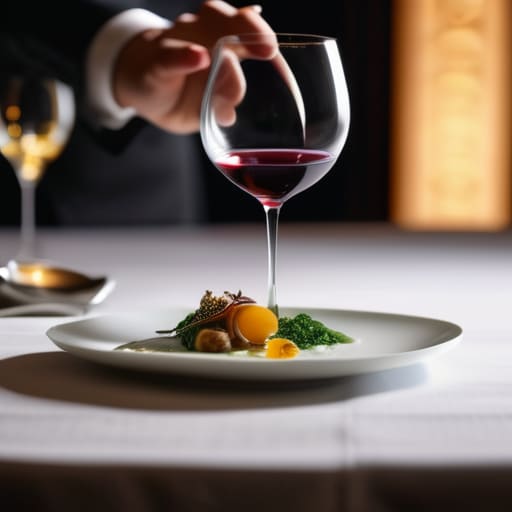
When you sit down for a tasting menu, you aren’t just ordering a sequence of dishes; you are committing to a highly choreographed piece of logistics. Most people think they are paying for the chef’s creativity, but a significant portion of that price tag covers the unseen orchestration required to time twelve courses so they hit your table at the exact same temperature. If the kitchen is running a tight ship, you’ll notice the server appearing only when necessary. This is the hallmark of navigating upscale restaurant service correctly—the staff isn’t being aloof; they are managing the rhythm of the room to ensure your third course doesn’t collide with your second.
Beyond the plate, there is a heavy financial weight to the decision to go “all in.” When you opt for the full experience, including the wine pairing, you are essentially funding the restaurant’s ability to maintain a highly specialized cellar and a staff trained in complex wine pairing etiquette. It’s a gamble for the house, too. They are betting that your palate will match their precision, just as you are betting that their overhead won’t result in a rushed service.
Navigating Upscale Restaurant Service Without Being Noticed
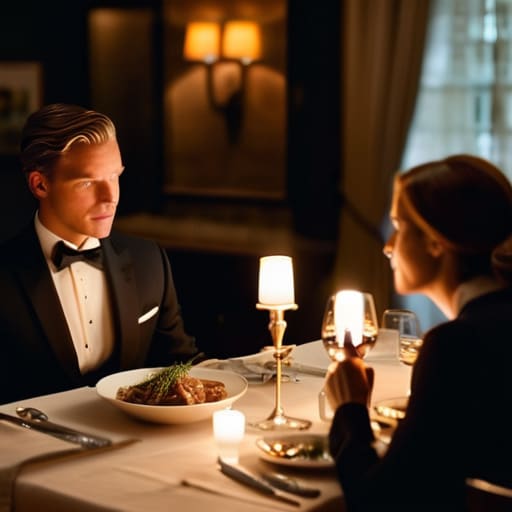
The biggest mistake people make when navigating upscale restaurant service is thinking that “luxury” means being the center of attention. It doesn’t. In a truly high-caliber room, the service is designed to be a ghost—present exactly when you need a water refill or a fresh napkin, but otherwise entirely invisible. If you feel like you’re being “performed at,” the restaurant is likely overcompensating for a lack of training. The best servers are the ones who master the art of the unobtrusive pivot, moving through the dining room without breaking the rhythm of your conversation.
You don’t need to perform a rehearsed dance of fine dining table manners to fit in; you just need to stop being a disruption. This means knowing when to signal for the check and when to let the staff do their jobs. I used to tell my floor managers that a guest who is constantly waving their hands for attention is actually making the rest of the room feel uneasy. If you want to blend in, focus on the cadence of the meal rather than the mechanics of the cutlery. Respect the flow, and the staff will treat you like a regular, even if it’s your first time.
The Arithmetic of the Evening: Five Ways to Respect the House and Your Wallet
- Don’t treat the wine list like a dare. If you’re looking at a list where the cheapest bottle is fifty quid, don’t try to “outsmart” the sommelier by picking the third cheapest thing just to feel frugal. You’ll end up with something mediocre that doesn’t pair with the food, and you’ll have wasted the one thing that makes expensive dining worth it: the synergy. Ask for a recommendation that fits your budget; a good sommelier would rather sell you a brilliant £60 bottle than a disappointing £120 one.
- Understand that “service charge” isn’t a tip—it’s a structural necessity. In my sixteen-cover room, that percentage was what kept the lights on and ensured my floor staff didn’t walk out mid-service. If you see a 12.5% or 15% charge already on the bill, don’t add another 20% on top out of a sense of duty unless the service was genuinely transformative. You aren’t “tipping” the restaurant; you are participating in the ecosystem that allows them to exist.
- The “Hidden Cost” of timing. If you want the best experience at a high-end spot, avoid the 7:00 PM rush if you can. When a room is turning tables—which they have to do to stay solvent—the pressure on the kitchen and the front of house is immense. If you arrive at 8:30 PM, the staff is often in a different psychological state, and you’re more likely to get the “flow” of the kitchen rather than the frantic scramble of the peak.
- Learn the difference between a “specialty” and a “margin-builder.” When you see a dish with gold leaf, truffle, or caviar, know that you aren’t just paying for the ingredient; you’re paying for the high-risk inventory. If you want to see the chef’s real skill, look for the simplest dish on the menu—the one that relies on technique rather than expensive provenance. That’s where the soul of the kitchen lives, and it’s often where the best value is hidden.
- Respect the “Closing Window.” I used to get a knot in my stomach when a table of two walked in at 9:45 PM when we closed at 10:00. If you are dining somewhere expensive, don’t be the person who treats a formal dining room like a late-night bistro. If the menu says last orders are at 9:00, respect it. You’re not just being polite to the staff; you’re acknowledging that their labor has a finite, exhausting end point.
The Real Math of a High-End Bill
Stop looking at the price of the steak and start looking at the labor; when you see a high markup, you aren’t just paying for the protein, you’re paying for the three people who spent four hours prepping the garnish and the one person whose entire job is ensuring your water glass never hits empty.
Understand that a restrictive menu isn’t a lack of creativity, it’s a defense against waste; a smaller, tighter list means the kitchen can control its margins and ensure the ingredients are actually fresh rather than sitting in a walk-in fridge waiting for a Tuesday rush that never comes.
Respect the “invisible” costs of service by tipping for the person, not the institution; a great server in a fine dining room is a master of timing and discretion, and while the house takes its cut, it’s the person navigating the floor who is actually managing your entire evening.
The Real Cost of the Bill
When you see a price tag that makes you wince, stop looking at the ingredients and start looking at the room; you aren’t just paying for the turbot, you’re paying for the three years of interest on the oven, the electricity to keep the dining room warm while no one is sitting in it, and the quiet dignity of a waiter who knows exactly when to step back so you can actually hear your partner speak.
Rosalind Achterberg
The Final Bill
At the end of the day, dining at a high level isn’t about performing a role or knowing which fork to use first; it’s about understanding the delicate ecosystem you’re stepping into. You now know that the tasting menu is a logistical feat of timing, that seamless service is actually a sign of a well-trained, invisible staff, and that the price on the menu is merely a fraction of the actual cost of the experience. When you stop viewing a restaurant as a mere stage for your evening and start seeing it as a complex, breathing business, you become a better guest. You realize that by being mindful of the pace and respectful of the constraints, you aren’t just consuming a meal—you are supporting the craft that keeps these rooms alive.
So, the next time you find yourself sitting under a dim light with a heavy linen cloth between you and the world, don’t let the intimidation settle in your chest. Take a breath, look at the person across from you, and enjoy the theater of it all. High-end dining shouldn’t be a test you have to pass; it should be a celebration of what humans can achieve when they decide to do something extraordinarily well. Go there to be fed, yes, but also go there to witness the mastery of the people behind the pass. That is where the real magic—and the real value—truly lies.
Frequently Asked Questions
If I’m not ordering the most expensive bottle on the list, am I somehow insulting the sommelier or the establishment?
Not at all. In fact, if you ask for something mid-range that you actually enjoy, you’re doing them a favor. A good sommelier wants a sale, but a great one wants a guest who returns. They aren’t there to judge your bank balance; they’re there to manage a cellar. If you order the most expensive bottle just to impress, you’ve wasted money and probably missed a better pairing. Order what fits your palate and your pocket.
How do I spot the difference between a restaurant that is actually high-end and one that is just charging high prices for a fancy tablecloth and a loud playlist?
Look at the margins, not the center. A real high-end spot isn’t defined by the weight of the linen or how much bass is thumping through the speakers; it’s defined by the precision of the gaps. Watch the staff: do they move with a quiet, purposeful rhythm, or are they performing for the room? True luxury is found in the things you don’t notice—the temperature of the bread plate, the seamlessness of a water refill, and the absence of frantic energy.
When a place has a strict dress code or a complex reservation system, is it about the experience, or is it just a way to manage their overhead and staffing levels?
It’s a bit of both, but let’s call it what it is: math. A strict dress code isn’t just about “ambiance”; it’s a way to curate a room so the staff doesn’t have to spend half their energy managing friction. As for those complex reservation systems? They aren’t there to make you feel special; they’re there to protect the kitchen from the death spiral of a sudden, unpredicted rush. It’s about predictable flow and controlled costs.
