
 Written by
 I remember a Friday night in my old sixteen-cover room when the air didn’t just feel hot from the pass; it felt heavy. It was that specific, vibrating tension that happens when your head chef and your best floor server stop speaking to each other and start communicating through aggressive plate-slamming and pointed silences. Most management consultants will tell you that you need a thirty-page handbook on emotional intelligence or a weekend retreat to solve this, but they’ve never had to balance a till while a kitchen is actively imploding. Learning how to handle staff conflict isn’t about implementing “standardized resolution protocols”; it’s about knowing that a fractured team is the fastest way to bleed money and good people before the dessert course is even cleared.
I’m not here to give you corporate platitudes or HR-approved fluff that sounds lovely in a boardroom but fails miserably during a Saturday rush. I want to talk about the grit of it—the real, unvarnished truth of what happens when personalities collide in a space that is too small and too loud for anyone to hide. I will show you how to spot the friction before it turns into a fire, how to have the hard conversations without losing your best workers, and why the way you react to a shouting match in the walk-in determines whether you’ll still be in business next year.
Resolving Interpersonal Issues at Work Before They Burn the House Down

When you see two people on your team refusing to look at each other during a rush, you aren’t just looking at a personality clash; you’re looking at a leak in your profit margin. If the server is holding a grudge against the prep cook, the food slows down, the tickets pile up, and suddenly your guest is staring at an empty water glass. You can’t just ignore it and hope they “work it out” over a cigarette break. Resolving interpersonal issues at work requires you to step in before the resentment becomes part of the kitchen’s permanent atmosphere.
I used to think being a “nice” boss meant avoiding the awkwardness, but I was wrong. Real leadership is about improving team communication by being the one brave enough to address the tension head-on. You don’t need a corporate manual or a HR seminar; you need to pull them aside, away from the heat and the noise, and demand they find a professional way forward. If you don’t establish those boundaries early, you aren’t running a restaurant—you’re just presiding over a slow-motion train wreck.
Improving Team Communication to Stop the Slow Bleed
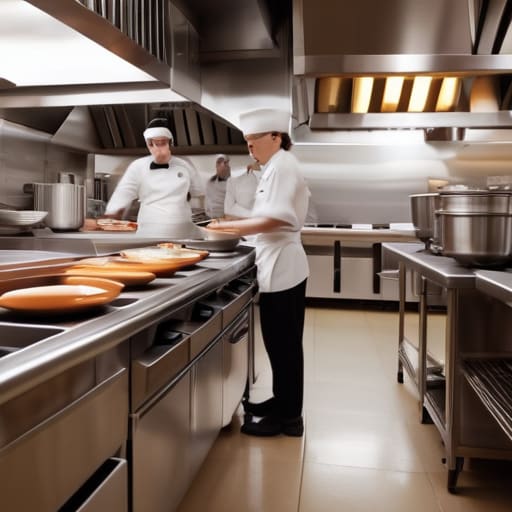
Communication in a restaurant isn’t about having a fancy digital scheduling app or a weekly “huddle” that everyone treats like a chore. It’s about the information that travels between the pass and the floor in the heat of a Friday night rush. When you aren’t improving team communication through clear, real-time signals, you aren’t just losing efficiency; you’re creating the tiny, silent resentments that eventually boil over. I’ve seen it a thousand times: the server thinks the kitchen is being lazy, the chef thinks the front-of-house is being disrespectful, and neither side actually knows the truth because they’ve stopped talking and started assuming.
You need to build effective feedback loops for teams that don’t feel like an interrogation. In my sixteen-cover room, if a plate went out wrong, we didn’t wait for a formal meeting to address it. We addressed it in the moment, but with a specific kind of grace that kept the ego out of the way. If you want to stop the slow bleed of morale, you have to create an environment where a junior commis feels safe enough to tell a senior sous chef that the prep is off, without fearing they’ll be the one left scrubbing the grease traps.
Five Ways to Stop the Bleeding Before the Kitchen Goes Cold
- Stop playing referee in the middle of service. If your sous chef and your head server are squaring off over a misplaced side of mash, pull them into the walk-in or the office immediately. You cannot resolve a grudge while the printer is screaming and the dining room is full; you only end up legitimizing the drama by making it part of the show.
- Watch the “silent” staff members. Everyone focuses on the loud, clashing personalities, but the real danger is the quiet, competent person who stops speaking because they’re tired of the nonsense. When your best worker goes silent, they aren’t being professional—they’re halfway out the door, and they’ll be gone by Monday if you don’t address the toxicity making them retreat.
- Fix the broken systems, not just the broken people. Half the time, “personality clashes” are actually just bad scheduling or a lack of clear prep lists. If your dishwasher and your line cook are fighting, it’s usually because the dish pit is overflowing or the prep wasn’t done, not because they hate each other. Fix the workflow, and the friction often vanishes.
- Don’t let “the way we’ve always done it” become an excuse for bad behavior. I spent years letting a certain level of grit and shouting pass because “that’s just hospitality,” but all it did was drive away the kind, steady people who actually make a restaurant run. High standards for food are useless if you have low standards for how people treat one another.
- Address the “star” performer’s ego before it poisons the well. We all have that one cook or server who brings in the revenue but treats the rest of the team like footstools. It’s tempting to look the other way because they’re profitable, but a single toxic superstar will cost you more in turnover and broken morale than they will ever bring in on a Friday night.
The Bottom Line: What You Can’t Afford to Ignore
Stop treating staff friction like a personality clash and start treating it like a leak in your plumbing; if you don’t patch it immediately, it will eventually rot the foundation of your entire business.
A “quiet” kitchen isn’t always a healthy one—sometimes it’s just a sign that your team has stopped talking to each other because they’ve given up on being heard, and that silence is much more expensive than a loud argument.
Your most valuable tool isn’t a new POS system or a fancy training manual, it’s your own presence on the floor; you cannot manage a culture from an office, and you certainly can’t fix a broken team through an email.
The Hidden Price of Silence
You can ignore a spat between the sous chef and the front-of-house manager for a single service, but you can’t ignore the math; every minute they spend trading glares instead of communicating is a minute your service slips, your food cools, and your profit margin evaporates. Conflict isn’t just a personality clash—it’s a leak in your bank account.
Rosalind Achterberg
The Bottom Line of the Burnout

At the end of the day, managing conflict isn’t about mastering some HR manual or implementing a fancy digital check-in system; it’s about recognizing that a kitchen or a dining room is a living, breathing organism. If you ignore the friction between your sous chef and your head waiter, you aren’t just “letting them work it out”—you are actively poisoning the well. You’ve seen the signs: the heavy silences during prep, the clipped tones during a rush, and the way the energy shifts when a table sits down. If you don’t address these fractures immediately, you’ll find yourself paying for them in the form of wasted food, high staff turnover, and a service that feels hollow. Conflict is a leak in your profit margin, and you can’t afford to let it run.
Running a restaurant is one of the hardest ways to make a living, and you can’t do it alone. You need a team that has your back when the printer starts screaming and the dining room is full. Building that kind of loyalty doesn’t happen by accident; it happens when your staff sees that you care more about the integrity of the team than you do about being “right” in an argument. It’s exhausting work, and some days you’ll feel like you’re just putting out fires with a teaspoon, but remember why you started this in the first place. Build a culture where people feel heard, and they’ll help you carry the weight of the business when the doors finally close for the night.
Frequently Asked Questions
What do I do when the conflict isn't between two people, but between the kitchen and the front of house?
The “us versus them” war is the most expensive fight in the building. When the pass becomes a battlefield, you aren’t just losing morale; you’re losing ticket times and, eventually, your profit margin. Stop treating it like a personality clash and start treating it like a breakdown in the system. Usually, it’s a bottleneck issue—the FOH is over-promising and the BOH is under-resourced. Fix the flow, or they’ll keep bleeding each other dry.
How do I deal with a "star" employee—the one who brings in the money but treats everyone else like dirt?
The “Star” is a lie, and if you believe it, you’re already losing. They might be pulling in the numbers, but they’re costing you double in turnover and broken morale. I’ve seen it: one brilliant, toxic chef or server who thinks they’re untouchable because the till is full. They aren’t. The moment you prioritize their ego over your team’s dignity, you’ve stopped running a restaurant and started running a cult of one. Fix it, or let them go.
At what point do I stop trying to mediate and just let someone go to save the rest of the team?
You stop the moment the “problem” stops being about a mistake and starts being about the atmosphere. If you’re spending more time playing therapist than checking your margins, you’ve lost. When one person’s attitude starts making your best server dread their shift, or your line cook is looking at the door instead of the ticket, the cost of keeping them has become higher than the cost of replacing them. Cut the rot before it spreads.
