 Written by
 I remember a Friday night in 1998, standing in the middle of my sixteen-cover dining room, watching my head chef and my best server scream at each other over a plate of lukewarm sea bass. It wasn’t a lack of talent that killed the service; it was the fact that the physical space between the heat of the stove and the grace of the dining room was a cluttered, disorganized mess. Most textbooks will give you a sterile diagram of ergonomics, but they never mention that when you are deciding how to set up a kitchen pass, you aren’t just arranging stainless steel—you are building the nerve center of a battlefield. If that strip of metal isn’t perfect, the communication breaks, the food dies, and your profit margin evaporates before the dessert spoons even hit the table.
I’m not here to sell you on expensive, high-tech ticket printers or fancy architectural layouts that look great in a glossy magazine but fail during a Saturday rush. Instead, I’m going to tell you how to build a pass that actually works for the people standing behind it. We’ll talk about the real constraints—sightlines, heat management, and the critical importance of a clear landing zone—so you can stop firefighting chaos and start running a kitchen that breathes.
Mastering Kitchen Communication Protocols Under Pressure
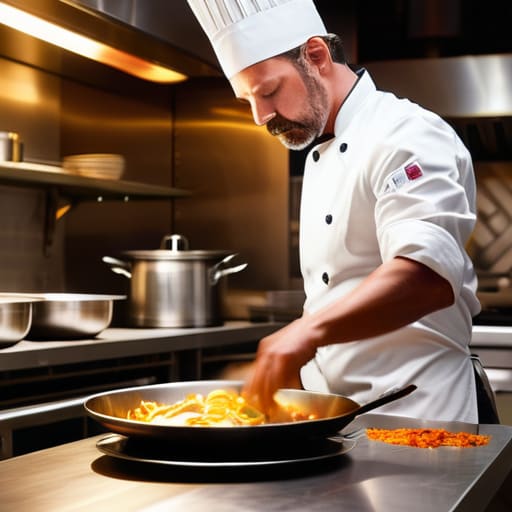
When the printer starts screaming and the dining room is full, your kitchen communication protocols are the only thing standing between a smooth service and a total meltdown. It isn’t about shouting; it’s about the clarity of the signal. I’ve seen too many young chefs try to run a service by barking orders like they’re in a drill sergeant’s barracks, only to realize nobody heard a word because the noise floor was too high. You need a system where a “heard” or “behind” carries the weight of a contract. If the communication breaks down, the food sits under the heat lamps, the proteins die, and your margins evaporate with every minute of wasted labor.
Effective managing ticket flow in professional kitchens requires more than just a fast printer. You need a rhythm. The person on the pass—the expeditor—must act as the heartbeat, translating the chaos of the dining room into a language the line can actually digest. This isn’t just about calling out orders; it’s about anticipating the gap between the sauté station finishing their scallops and the grill chef dropping the steak. If you aren’t synchronized, you aren’t running a kitchen; you’re just managing a series of expensive accidents.
Essential Kitchen Pass Equipment Essentials for Survival
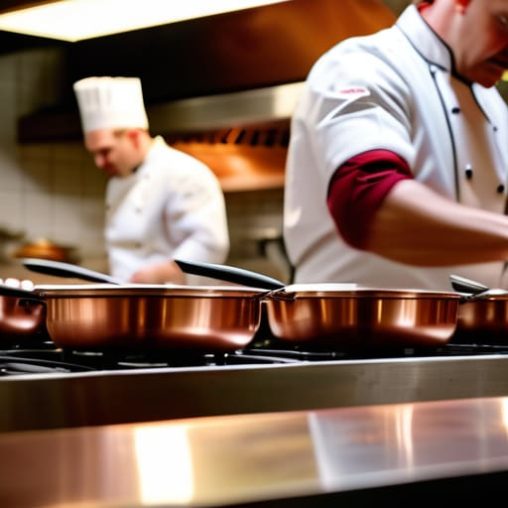
You don’t need a high-tech command center to run a successful service, but you do need a workspace that doesn’t fight you. I’ve seen too many young owners pour their entire budget into fancy copper pans only to realize they haven’t even bought a decent heat lamp or a sturdy, wide stainless steel ledge. If your pass is too narrow, you’re going to have plates sliding into the weeds; if it’s too cluttered, you’re losing the battle of expeditor station organization before the first order even hits the rail. You need a surface that is wide enough for a finished plate to sit without encroaching on the cook’s space, and a ticket rail that actually holds the weight of a heavy rush without sagging.
Beyond the metal, it’s the small things that dictate your restaurant kitchen workflow optimization. I always tell people: invest in a high-quality printer that doesn’t jam every twenty minutes and a dedicated space for garnishes that doesn’t require a scavenger hunt. If your expeditor has to turn their back to the line to find a clean spoon or a squeeze bottle of oil, you’ve already lost the rhythm. The pass should be a sanctuary of order, not a dumping ground for discarded garnishes and half-empty water carafes.
Five Hard Truths for a Pass That Doesn't Bleed
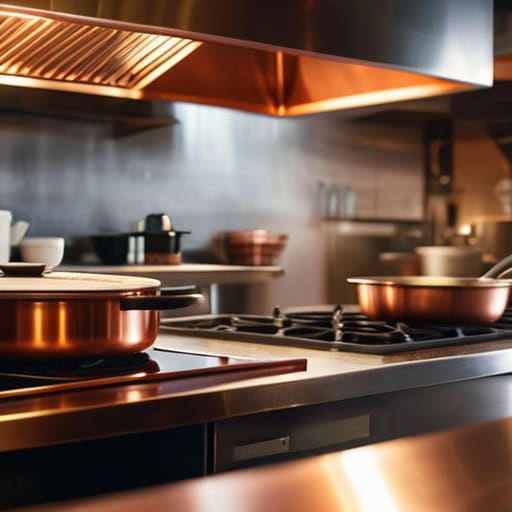
- Lighting isn’t for ambiance; it’s for accuracy. If your pass is dim because you wanted a “moody” kitchen, you’re asking for a disaster. You need bright, unforgiving light so the person on the pass can see that the garnish is wilted or the sauce has broken before that plate ever touches a tablecloth.
- The physical footprint must respect the flow of movement. I’ve seen too many young chefs try to cram a massive, beautiful marble pass into a space that doesn’t allow for it, resulting in a bottleneck where the runner trips over the sous-chef. If the person plating can’t pivot without hitting a wall, your service is already dead.
- Keep your “clutter” separate from your “command.” A pass shouldn’t be a graveyard for discarded order slips, half-empty ramekins, or dirty tasting spoons. If the surface is messy, the brain is messy, and once the rush hits, that mental fog will turn your ticket times into a joke.
- Designate a single point of truth. You need one specific spot—whether it’s a digital screen or a physical rail—where the orders live. If you have one chef looking at a tablet and another glancing at a handwritten scrap, you aren’t running a kitchen; you’re running a guessing game, and guests can taste the confusion.
- The height of the pass is a silent killer. If it’s too low, your chefs are hunching and killing their backs by 9:00 PM; if it’s too high, the front-of-house can’t see the plate clearly to check the quality. It needs to be at a height that allows for a seamless hand-off, not a physical obstacle course.
The Hard Truths of the Pass
The pass isn’t just a counter; it is the heartbeat of your profit margin, where every second of hesitation translates directly into wasted food and a frustrated guest.
Efficiency is born from silence and discipline, not shouting; if your pass is a shouting match, you haven’t built a system, you’ve just built a loud room.
A well-organized pass protects your staff from burnout by acting as the buffer between the heat of the line and the expectations of the dining room.
The Heartbeat of the Room
The pass isn’t just a stainless steel shelf for plating; it’s the only thing standing between a synchronized service and a total collapse of morale. If you don’t treat that narrow strip of space as the sacred ground where the kitchen’s heat meets the dining room’s grace, you aren’t running a restaurant—you’re just managing a slow-motion train wreck.
Rosalind Achterberg
The Pass is the Heartbeat
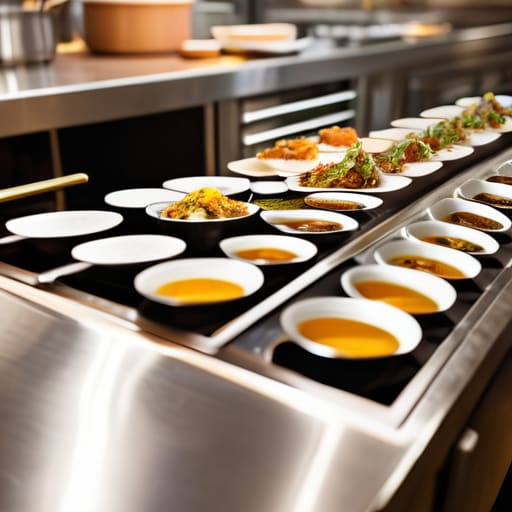
At the end of the day, setting up your pass isn’t just about buying the right stainless steel heat lamps or finding a corner with enough breathing room for your runners. It is about creating a physical boundary where the frantic, sweating energy of the line is filtered into something calm and controlled before it touches the dining room. You need the right equipment to survive the rush, yes, but more importantly, you need a layout that respects the flow of information. If your pass is cluttered, your communication will be cluttered; if your communication is cluttered, your service will fail. Remember, the pass is where the chaos of the line meets the grace of the dining room, and it is your job to ensure that grace never wavers, no matter how much the ticket machine is screaming.
I spent twenty-six years watching beautiful meals ruined by a single misunderstood shout or a disorganized strip of metal. You will make mistakes—you will miss a modifier, you will drop a plate, and you will feel the heat of a bad service in your very bones. But if you build your pass with intention, treating it as the nerve center of your entire business rather than just a counter, you give your team a fighting chance. A well-run pass doesn’t just serve food; it protects your staff from burnout and your guests from disappointment. Build it right, stand your ground, and remember that the best service is often the one that feels effortless, even when you know exactly how much work it took to keep it that way.
Frequently Asked Questions
How do I decide who actually stands at the pass—is it the chef, the manager, or someone else entirely?
The pass isn’t a seat; it’s a high-stakes decision point. In my sixteen-cover room, I was the pass. If you’re small, the person who knows the menu’s soul and the guest’s temperament must be there. In larger setups, it’s the Sous or the Head Chef. Never let a manager run the pass unless they can taste the difference between a rested steak and a rushed one. If the person at the pass can’t command the line, the service is dead.
What is the right balance between keeping the pass clear for plating and having enough space for the inevitable paper trail of tickets?
You want a pass that breathes, not a graveyard for thermal paper. If you clutter that stainless steel with a mountain of tickets, you’re inviting a collision between a chef’s elbow and a plate of sea bass. I always kept my ticket rail strictly for the “now”—the next three orders. Everything else goes in a dedicated spike or a secondary station. If the pass is buried, the service is buried. Keep the plating zone sacred.
How do you prevent the pass from becoming a shouting match when the kitchen is running twenty minutes behind?
You stop the shouting by realizing that once voices go up, the brain goes down. When you’re twenty minutes behind, the pass isn’t a place for blame; it’s a triage unit. I always told my team: if you’re screaming, you’ve already lost control of the service. You need a designated “calm voice”—usually the expeditor—who speaks in short, rhythmic updates. We didn’t manage the clock; we managed the information flow. Control the tempo, or the tempo controls you.
