
 Written by
 Most people think a “complete guide to dining out” should be a list of the trendiest tasting menus or the most Instagrammable velvet booths, but they’re looking at the wrong side of the pass. I spent twenty-six years in a sixteen-cover room where a single broken sauce or a waiter who forgets to check the water levels wasn’t just a “bad experience”—it was a dent in the bank balance. If you want to know which restaurants are actually worth your hard-earned money and which ones are just expensive theater designed to mask a crumbling bottom line, you have to look past the garnish.
I’m not here to tell you which celebrity chef is currently in vogue; I’m here to tell you how to read a room. This is my attempt at a complete guide to dining out that actually respects your intelligence and your wallet. I’ll show you how to spot a kitchen that’s drowning in its own menu, why a strict corkage policy isn’t a personal insult, and how to recognize the real service that happens when nobody is looking. We’re going to talk about the business of dinner, so you can finally enjoy yours.
How to Read a Menu Without Wasting the Kitchens Time
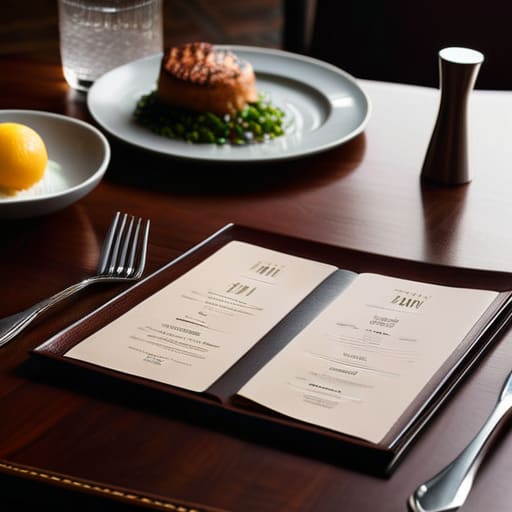
When you sit down and the leather-bound folder hits the table, most people treat it like a puzzle to be solved. They scan for the most expensive protein or the flashiest ingredient, but if you want to master ordering food like a pro, you need to look at the architecture of the list instead. A menu isn’t just a collection of dishes; it’s a roadmap of the kitchen’s capacity. If I saw a menu with thirty different mains, I knew immediately the prep team was drowning and the quality was going to suffer. A tight, focused menu means the chef knows exactly what they can execute perfectly during a rush.
Don’t get hung up on the adjectives. “Hand-dived,” “locally sourced,” and “artisanal” are often just expensive ways of saying nothing at all. Instead, look for the balance of complexity. If every single dish requires a heavy cream base or a complex reduction, the pass is going to get backed up, and your timing will be ruined. Learning how to read a menu through the lens of the kitchen means recognizing that a simpler dish often signals a chef who is confident in their ingredients and mindful of their staff’s sanity.
Restaurant Reservation Tips for the Respectful Guest
When you book a table, you aren’t just claiming a piece of furniture; you are committing to a slot in a very delicate, high-stakes choreography. Most people treat a booking like a casual suggestion, but in a small room, a “no-show” isn’t just a lost sale—it’s a wasted prep list, a chef who over-ordered expensive protein, and a server who sat idle while the labor costs kept ticking. If you know you can’t make it, call. Don’t just ghost. It is the simplest piece of dining out social skills you can master, and it saves a restaurateur from a very expensive headache.
Furthermore, if you are booking for a group, be honest about your needs. Don’t tell a small bistro you’re a party of four if you’re actually six; we can’t magically grow a table mid-service without breaking the flow of the entire room. If you have allergies, mention them in the notes when you book. It allows the kitchen to adjust their ordering cycles. Being a respectful guest means understanding that your timing dictates our rhythm, and the more predictable you are, the better we can serve you.
The Unspoken Etiquette of Keeping the Lights On
- Respect the “Last Seating” rule. If a restaurant says they close at ten, that is when the doors lock, not when they stop taking orders. If you wander in at 9:50 PM expecting a three-course meal and a long chat, you aren’t being “adventurous”—you are asking a tired kitchen staff to work overtime for a margin that won’t even cover the electricity.
- Understand that the “Service Charge” isn’t a suggestion, it’s a structural necessity. In my sixteen-cover room, that percentage was the only thing that kept the floor staff from having to work three jobs just to pay rent. If you’re unhappy with the service, tell the manager, but don’t punish the person who carried your heavy plates by clawing back their livelihood.
- Don’t be the person who asks for a “quick bite” at 8:30 PM on a Friday. That is the peak of the rush, the moment when the pass is most stressed and the rhythm of the kitchen is most fragile. If you want a quiet, easy experience, learn to eat when the rest of the world isn’t.
- Learn to read the room, especially when it comes to the staff. If the waiter is hovering, they are likely trying to manage a gap in the kitchen’s timing; if they are invisible, they are likely trying to stay out of your way so you can actually enjoy your company. A good waiter is a ghost, not a performer.
- Be mindful of the “Table for Two” bottleneck. If you are a party of two sitting at a four-top during a busy Saturday night, you are effectively costing the restaurant a significant chunk of their profit. If the place is packed and you’re just having one drink, sit at the bar. It’s better for your wallet, and it’s much kinder to the person trying to make a living.
The Realities Behind the Reservation
Understand that a menu’s size is a balancing act of food waste and labor costs; when you see a tight, focused list, it means the kitchen is fighting to keep quality high without drowning in prep work.
Respect the “turn” of the table by realizing that your dining time isn’t just a personal experience, but a slot in a carefully choreographed sequence that keeps the staff paid and the lights on.
Recognize that the small details—like a strict corkage fee or a limited wine list—are rarely about being difficult and are almost always about protecting the restaurant’s razor-thin margins from unpredictable variables.
The Hidden Math of the Meal
Dining out isn’t just an exchange of money for food; it’s a delicate, expensive dance of logistics where every choice you make—from the time you book to the way you treat the server—either helps keep that kitchen running or adds to the weight they’re already carrying.
Rosalind Achterberg
The View from the Other Side of the Pass

At the end of the day, dining out isn’t just about the food on your plate; it’s a delicate dance between a guest’s expectations and a business’s survival. We’ve talked about reading menus with intention, respecting the clock, and understanding that a reservation is a promise, not just a placeholder. When you stop seeing a restaurant as a magical stage where food simply appears and start seeing it as a collection of calculated decisions—from the number of staff on a Tuesday night to the specific way a menu is priced—you become a better guest. You begin to understand that your manners and your mindfulness are actually part of the service, helping the kitchen and the front of house do the one thing they do best: take care of you.
I spent nearly three decades behind that pass, and if there is one thing I know for certain, it is that the most memorable meals aren’t just about the Michelin stars or the expensive vintages. They are about the human connection that happens when a guest truly respects the craft. Go out, try the new place on the corner, and don’t be afraid to sit at the bar alone. Just remember that every time you sit down, you are participating in a beautiful, expensive, and incredibly fragile ecosystem. Treat it with a little grace, and I promise you, the hospitality will find its way back to you.
Frequently Asked Questions
How much of a tip is actually fair when the service was good but the kitchen clearly struggled to keep up?
Don’t penalize the waiter for a kitchen meltdown. If your server was attentive, kept your water full, and managed your expectations while the pass was in chaos, they deserve their full percentage. A struggling kitchen is a management and staffing issue, not a service one. I’ve seen many a good kid lose their tip because the chef couldn’t time a risotto. Tip the person who stood in the line of fire with you.
What does a "service charge" on the bill actually pay for, and is it okay to ask for it to be removed?
That service charge isn’t a “tip” in the way you think; it’s the business’s way of ensuring the person who brought your bread and the person who scrubbed your plate both get a predictable wage. It covers the rising cost of keeping decent staff in a kitchen that never sleeps. If the service was genuinely abysmal, yes, ask to have it removed. But if the food was great and the waiter was just busy, leave it. They earned it.
If I have a specific dietary requirement, at what point in the booking process should I tell them so I'm not a burden to the chef?
Tell them the moment you book. Whether it’s a notes field in an app or a quick phone call, get it on the record immediately. Don’t wait until you’re sitting down and staring at the menu; that’s when the panic starts, and that’s when the kitchen starts scrambling. A chef needs lead time to prep a substitute that isn’t just a pile of steamed vegetables. Being prepared isn’t being a burden—it’s being a professional guest.
