 Written by
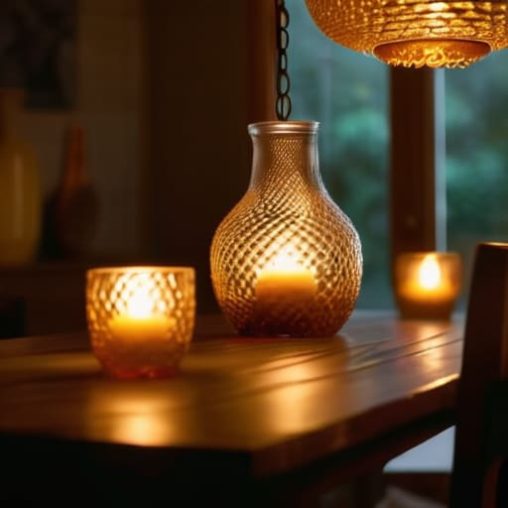
 I once watched a young owner spend six months’ profit on a set of hand-blown Italian glass pendants, only to realize he’d installed them with the surgical precision of a stadium floodlight. He thought he was buying “ambiance,” but all he’d actually done was turn his intimate little bistro into a high-visibility interrogation room where guests felt exposed and uncomfortable. People love to talk about the aesthetics of design, but they rarely understand how lighting changes a dining room from a place where people linger over a second bottle of Burgundy to a place where they eat their pasta as quickly as possible just to escape the glare.
I’m not here to sell you on expensive designer fixtures or tell you that “mood” is something you can simply buy in a box. I want to talk about the mechanics of the room—the difference between a warm glow that hides a chipped plate and a harsh bulb that kills a conversation before it starts. I’ll tell you exactly where to place your dimmers, why your staff needs to see what they’re doing without ruining the guest’s view, and how to manage your light without breaking the bank.
The Warm vs Cool Light Temperature Trap
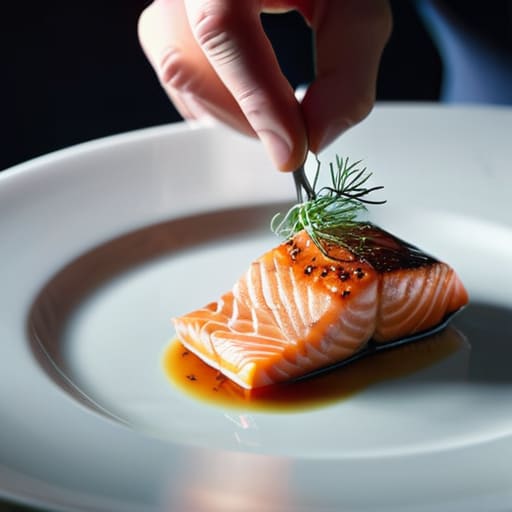
I’ve walked into too many “modern” bistros that feel more like a dental clinic than a place to enjoy a glass of Burgundy. They opt for high-Kelvin, blue-toned bulbs because they look crisp on Instagram, but they completely ignore the reality of warm vs cool light temperature in a room full of humans. When you blast a dining room with cool light, you aren’t just making it bright; you are stripping the color from the food and the warmth from the skin. A person looks sallow under blue light, and suddenly, that lovely pan-seared salmon looks grey and uninviting.
In my sixteen-cover room, I learned that if you want to keep people in their seats—and more importantly, ordering that second bottle—you have to lean into the amber end of the spectrum. You aren’t just creating an intimate dining atmosphere; you are managing the biological urge to relax. If the light feels clinical, the guest’s brain stays on high alert, and high alert doesn’t lead to long, lingering dinners. You want light that mimics a candle, not a fluorescent tube in a warehouse.
Why Layering Light for Dining Spaces Saves Your Margins
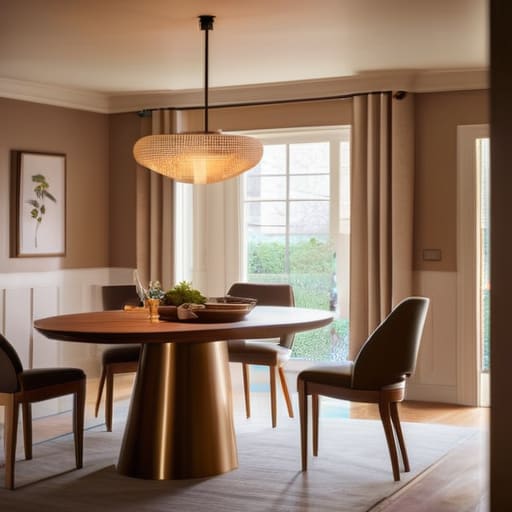
When you try to do everything with a single, overhead source, you aren’t designing a room; you’re setting a stage for a poorly lit play. I’ve seen too many young owners pour their entire lighting budget into one beautiful, expensive statement piece, only to realize they’ve left the rest of the room in a gloomy, undifferentiated haze. The secret to layering light for dining spaces isn’t about more fixtures; it’s about the strategic split between ambient vs task lighting in the dining room. You need enough soft, general light so your staff doesn’t trip over a chair, but you need focused light on the table so the food actually looks appetizing.
If the guest can’t see the sear on that scallop because the light is hitting the wrong angle, they aren’t going to order that second glass of Chardonnay. This is where the dimmer switch importance becomes a matter of survival. A dimmer allows you to shift the energy from a bright, energetic lunch service to a low-slung, intimate dinner without moving a single piece of furniture. It’s the cheapest way to manipulate your covers and your margins.
Five Ways Lighting Can Either Make Your Bank or Break Your Spirit
- Stop treating your dining room like a supermarket aisle. If you use high-output, overhead recessed lighting to ensure every corner is “visible,” you aren’t providing clarity; you’re stripping away the intimacy that allows a guest to feel safe enough to order that second bottle of Bordeaux. Aim for pools of light, not a flood of it.
- Watch your shadows, but don’t fear them. A well-lit table is a necessity, but a well-lit room is a mistake. You want enough light on the plate so the guest can see the sear on that scallop, but enough shadow in the periphery so they feel like they are in their own private world, not on a stage in a high school play.
- Check your dimmers before you open the doors. I’ve seen too many young owners install beautiful, expensive fixtures only to realize they have no way to adjust the mood as the room fills up. A room that feels bright and energetic at 6:00 PM needs to feel soft and seductive by 9:00 PM, or your guests will feel the energy shift from “dining” to “waiting for the check.”
- Don’t forget the “Staff Path.” It’s easy to get obsessed with the guest’s view, but if your servers are tripping over chair legs because you’ve turned the dining room into a cavern, your service will suffer. You need a subtle, functional light level in the transit paths that doesn’t ruin the atmosphere but keeps your team from dropping a tray of glassware.
- The “Mirror Trap” is real. If you have mirrors to make a small room feel larger—a classic trick I used for years—be careful where you point your light. If a guest catches a direct, bright reflection of a kitchen pass or a bright exit sign in a mirror, the illusion is shattered, and suddenly they’re acutely aware of how small and cramped their table actually is.
The Bottom Line on Your Dining Room Glow
Stop treating light like an afterthought; if your bulbs are too bright or too clinical, you aren’t creating an atmosphere, you’re just rushing your guests through their expensive bottles of wine so you can flip the table faster.
Invest in dimmers and layers rather than one massive, expensive statement piece, because the ability to shift the mood from a lunch service to a moody Friday night is what actually dictates your ability to sell that second round of cocktails.
Remember that light is a tool for directing attention—use it to highlight the food and the faces, not to illuminate the scuff marks on the floor or the empty wine glasses that your staff hasn’t cleared yet.
The Invisible Cost of a Bright Room
You can spend fifty thousand on hand-blown glassware and hand-stitched linens, but if you’re lighting your tables like a surgical suite, no one is going to stay for that second bottle of Bordeaux. People don’t come to a dining room to be inspected; they come to disappear into the evening, and if your lighting doesn’t give them a place to hide, they’ll finish their plates and head for the exit before you’ve even cleared the starters.
Rosalind Achterberg
The Bottom Line on Brightness
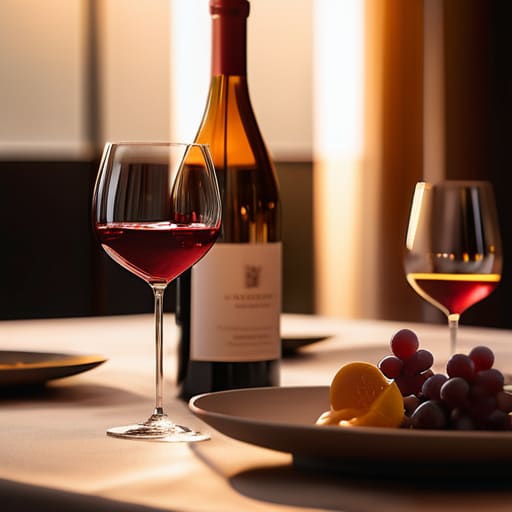
At the end of the day, lighting isn’t some abstract design concept you toss to an architect to handle while you focus on the menu. It is a fundamental tool of the trade, as practical as a sharpened knife or a well-managed rota. If you ignore the temperature of your bulbs or fail to layer your light, you aren’t just making the room look “off”—you are actively sabotaging your service. You’re either rushing guests out the door with clinical, overhead glare or losing them to a room so dim they can’t even find their wine glasses. Remember, the goal is to create a space where the food looks honest and the guests feel entirely at ease, because that is when they decide to order that extra bottle of Burgundy.
Running a restaurant is an exhausting, expensive, and beautiful gamble, and every detail you get right is a small victory against the margins. Don’t let your lighting be the thing that quietly bleeds your profit dry or kills the soul of your dining room. When you finally get that balance right—where the shadows are soft, the tables are glowing, and the atmosphere feels like a warm embrace—you’ll realize you haven’t just decorated a room; you’ve built a sanctuary. And in this business, a sanctuary is exactly what keeps the regulars coming back for twenty years.
Frequently Asked Questions
If I invest in expensive dimmers and layered lighting, how long does it actually take to see that reflected in my bottom line?
You won’t see it in a single month’s P&L, so don’t expect a miracle by next Tuesday. It’s a slow burn. You’ll see it in the “dwell time”—guests staying for that second bottle of Pinot because the room actually feels intimate, not clinical. You’ll see it in your turnover; people eat more when they aren’t rushing through a spotlight. If you do it right, your average spend per head creeps up, and that’s where the profit hides.
How do I balance creating a moody, intimate atmosphere without making my customers feel like they’re eating in a dark basement?
The trick is to stop thinking about the room as a whole and start thinking about the table. You want shadows in the corners to create that sense of privacy, but you need a pool of light on the linen so they can actually see the sear on that scallop. If they’re squinting at the menu or fumbling for their credit card, the “mood” has failed. Aim for light that hugs the plate, not the floor.
When I'm hiring a designer, should I be looking for someone who understands "ambiance" or someone who actually understands the practicalities of a service rush?
If you hire a designer who only talks about “ambiance,” you’re paying for a mood that will fall apart the moment a server tries to navigate a crowded floor with a tray of heavy stoneware. You need someone who understands the physics of a service rush. I want a designer who knows that a beautiful pendant light is useless if it creates a blind spot for a runner, or if it makes the menu impossible to read without a flashlight.
