 Written by
 I remember sitting at a corner table in a high-end bistro last November, nursing a single glass of Malbec and a plate of olives. I wasn’t there to be seen; I was there to read. But the way the hostess looked at me—as if I were a glitch in the system that needed to be corrected before the dinner rush—made me want to hand her my coat and walk straight out. Most hospitality training manuals treat the person eating alone as a mathematical problem to be solved or, worse, a lost margin of profit. They focus on “efficiency” and “turnover,” but they completely miss the point of how to welcome solo diners without making them feel like an intruder in someone else’s celebration.
I’m not going to give you a list of lofty, expensive “guest experience” platitudes that look pretty in a training manual but fall apart during a Saturday night rush. Instead, I’m going to tell you what it actually looks like to treat a single cover with the same professional dignity you’d give a party of six. We’ll talk about the real logistics—from seating strategy to the subtle art of the check—because a solo diner isn’t a nuisance; they are often your most loyal, most predictable, and most profitable guest.
Reducing Dining Anxiety for Individuals at the Door
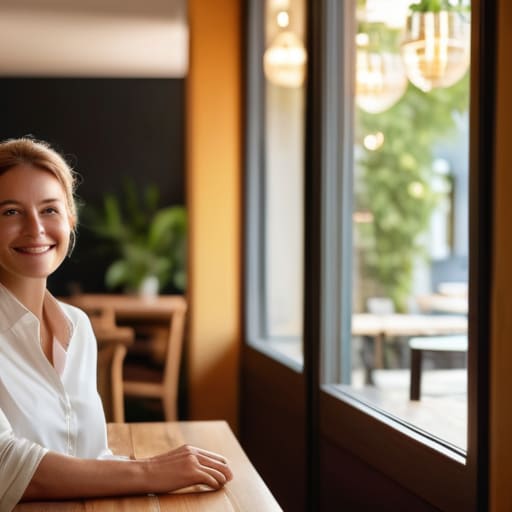
The moment a person walks through your door alone, they are performing a high-wire act of social vulnerability. They aren’t just looking for a menu; they are scanning your floor for signs of judgment. If your host looks them up and down and immediately steers them toward a cramped corner or, heaven forbid, a tiny table wedged next to the kitchen door, you’ve already failed. Reducing dining anxiety for individuals starts with the very first glance. You need to signal—through body language and immediate, warm eye contact—that their presence is a choice you welcome, not a problem you have to solve.
True hospitality training for solo customers isn’t about teaching staff to be extra bubbly; it’s about teaching them to be observant without being intrusive. A solo diner doesn’t want a lecture on the specials every five minutes, but they also shouldn’t feel invisible. The goal is to provide a sense of “contained privacy.” This means offering them a seat where they can observe the room without feeling like they are on display in a fishbowl. If you can master that balance, you aren’t just filling a chair; you are building a sanctuary.
Strategic Restaurant Seating for Single Guests
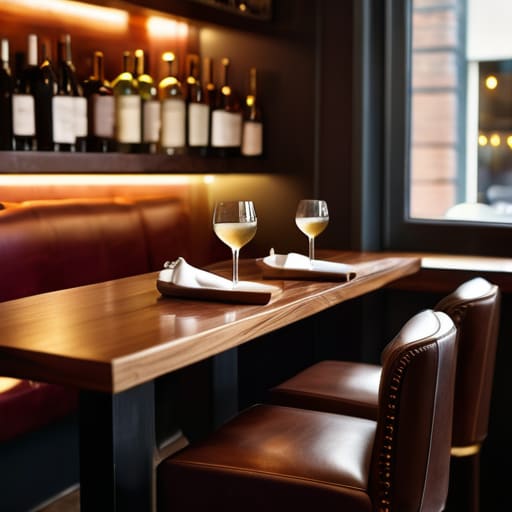
The mistake I see most often—and it’s a costly one—is the reflexive urge to shove a lone diner into a corner or, worse, a cramped two-top right in the middle of a high-traffic thoroughfare. When you do that, you aren’t just managing floor space; you are signaling that they are an afterthought. Strategic restaurant seating for single guests requires a bit more foresight than just filling the gaps. If you have a bar with proper height and comfortable stools, use it. If not, look for those peripheral tables that offer a sense of privacy without making the guest feel like they’re being punished with isolation.
True improving solo dining experience isn’t about grand gestures; it’s about the physics of the room. A person eating alone is hyper-aware of the space around them. If you seat them in a way that forces them to watch a family of six celebrate a birthday two feet away, you’ve stripped them of their dignity. I always told my floor staff: give them a view of the room, but not a front-row seat to someone else’s business. It’s about finding that sweet spot where they feel part of the atmosphere, rather than an obstacle in your path.
The Small Wins: Five Ways to Stop Treating Solo Diners Like an Afterthought
- Stop the “Table for Two” reflex. If you see someone walking in alone, don’t immediately steer them toward the bar or a cramped corner like you’re hiding a piece of bad news. If you have a small two-top available, give it to them. It tells the guest they are a customer, not a logistical problem to be solved.
- Train your staff to read the room, not just the reservation book. There is a massive difference between the person who wants to dive into a book and a person who is clearly looking for a bit of human connection. A good server knows when to offer a quick, warm greeting and then vanish, and when to linger for thirty seconds to ask how their day was.
- The menu shouldn’t feel like a mountain they can’t climb. Nothing makes a solo diner feel more exposed than staring at a massive, expensive menu and realizing they can’t possibly justify ordering three courses and a bottle of wine for one. Having a “tasting” option or a way to pair smaller plates makes the decision-making process feel like a treat rather than a math problem.
- Watch your pacing. When you’re running a floor, the instinct is to push plates out to clear the table for the next booking. But for a solo diner, a sudden rush of food can feel aggressive. They aren’t part of a group’s rhythm; they are on their own clock. Let them breathe between the starter and the main, or they’ll feel like they’re being chased out the door.
- Respect the “Invisible Service” rule. The best service for a single person is the kind that feels seamless but never intrusive. You want them to feel looked after, not watched. If your staff is hovering or whispering about “the person at table four,” the illusion of a relaxing evening is broken, and they’ll be checking their watch before the check even arrives.
The Bottom Line on Solo Service
Stop treating the solo diner as a “gap filler” for an empty chair; they are a high-margin opportunity with a much lower barrier to entry than a party of six, provided you don’t make them feel like they’re apologizing for occupying space.
Efficiency is your best friend, but don’t let it become coldness—a single guest doesn’t need a twenty-minute monologue about the provenance of the heirloom carrots, but they do need to know their presence hasn’t disrupted the rhythm of the room.
Invest in your floor staff’s intuition, because the difference between a regular and a one-off often comes down to whether the waiter noticed the diner was looking for a menu or just looking for a way to disappear into the wallpaper.
The Cost of the Empty Chair
“When a solo diner walks in, they aren’t just looking for a meal; they’re looking for permission to exist in your space without being a burden. If your staff treats them like a mathematical problem to be solved—a gap in the covers or a waste of a table—you haven’t just lost a service opportunity, you’ve lost the very hospitality that keeps a dining room from feeling like a factory floor.”
Rosalind Achterberg
The Bottom Line on the Single Seat
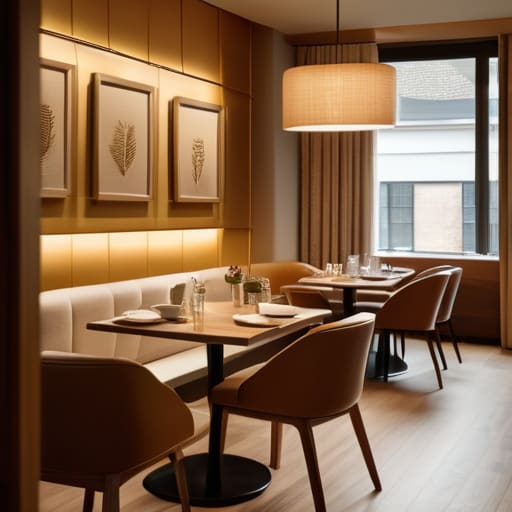
At the end of the day, making space for the solo diner isn’t about being “inclusive” or following some modern hospitality trend; it is about operational intelligence. When you fix your seating logic to avoid wasting four-tops and train your hosts to greet a single person with a nod instead of a wince, you are protecting your margins. You are reducing the friction that causes staff burnout and ensuring that your floor runs with the precision of a well-oiled machine. It is the difference between a dining room that feels like a cluttered afterthought and one that feels like a tightly managed, profitable business where every guest, regardless of their party size, is a valued part of the evening’s rhythm.
I spent twenty-six years watching people come and go through my sixteen doors, and I can tell you that the most loyal regulars often started as the person sitting quietly at the bar or the small table in the corner. If you treat the solo diner like a burden, you aren’t just losing a single check; you are losing the chance to build a relationship with a guest who truly appreciates the craft. Don’t just aim to fill seats—aim to honor the person sitting in them. Because a restaurant that knows how to welcome the individual is a restaurant that truly understands the soul of hospitality.
Frequently Asked Questions
How do I balance the need to be welcoming to solo diners with the practical reality of protecting my covers during a busy Friday night rush?
Look, I’ve sat on both sides of that frantic Friday pass, and I know the math. You can’t sacrifice a four-top to a single diner when the waiting list is out the door—that’s just bad business. But don’t play games with them. If you can’t give them a proper table, give them the bar or a cozy two-top near the window. Be honest about the wait, not dismissive. Efficiency shouldn’t feel like an eviction.
At what point does a solo diner become a "problem" for my bottom line, and how do I handle that conversation without looking like a villain?
A solo diner becomes a problem when they occupy a four-top during a Saturday rush while the waiting list is out the door. That’s math, not malice. You don’t handle it by being a villain; you handle it by being honest about your capacity. If you can’t seat them at a table, offer the bar or a smaller nook. Don’t make them feel like a burden; make them feel like a guest who just missed the window.
If I don't have a dedicated bar or counter, what is the most cost-effective way to make a single guest feel like they belong in a dining room built for couples?
If you don’t have a bar, stop trying to invent one; it’s a waste of floor space and capital. Instead, look at your perimeter. A single, well-placed two-top near a window or a quiet corner—away from the draft of the kitchen door—is your best friend. It’s cheap, it’s flexible, and it doesn’t feel like a “penalty box.” Just make sure your host knows that seat isn’t a placeholder for a larger party.
