 Written by
 I remember a Tuesday night in my old sixteen-seater when a couple sat down to celebrate their silver anniversary, looking absolutely terrified that a single misplaced fork would ruin their decade of marriage. They had spent three weeks reading reviews and obsessing over whether the lighting was “atmospheric” enough, yet they completely missed the fact that the kitchen was running a skeleton crew that night. Most people think knowing how to handle special occasions is about finding the most expensive tablecloth or the place with the most Instagrammable cocktails, but that’s just expensive fluff. Real celebration isn’t found in the velvet curtains; it’s found in the quiet mechanics of a room that actually has its act together when the pressure is on.
I’m not here to give you a list of the most “celebratory” tasting menus in the city, because those are usually just ways for owners to pad their margins. Instead, I want to tell you what actually makes a night work from the perspective of the person who had to pay the staff to make it happen. We’re going to talk about the logistics that actually matter—from why you should always mention your milestone in the booking notes to how to spot a restaurant that is actually prepared for your arrival versus one that is just winging it.
Stress Free Event Planning What the Kitchen Actually Needs
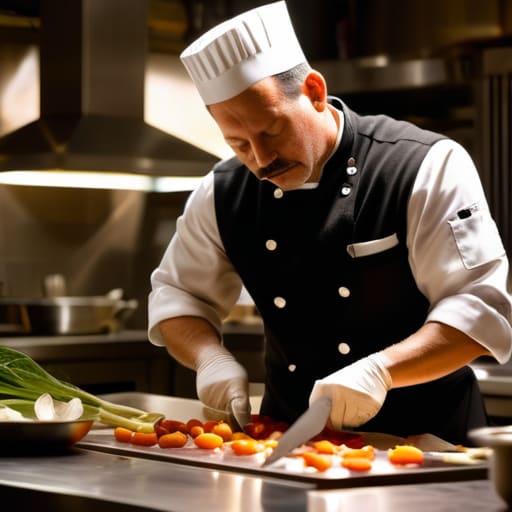
When people talk about planning memorable events, they usually focus on the color of the napkins or the specific vintage of the Champagne. They rarely think about the person standing in a hot kitchen at 4:00 PM trying to figure out if they have enough shallots for twelve unexpected vegetarians. If you want a smooth evening, the best thing you can do is give us the truth early. I’ve seen too many “surprises” unfold where a guest arrives with a severe allergy that wasn’t on the original booking, leaving the chef to pivot mid-service while the rest of the table watches the tension rise.
Real stress-free event planning isn’t about being fancy; it’s about being predictable. If you are organizing a milestone celebration, tell us the headcount and the dietary restrictions a week out, not when you sit down to order. When you give us the details early, we can manage our prep lists and staffing levels properly. It means the kitchen isn’t playing catch-up, and more importantly, it means your server can actually spend time being present with you rather than running back and forth to the pass to clarify if someone is actually allergic to shellfish or just “doesn’t like it.”
The Etiquette of Planning Memorable Events Without Ruining Service
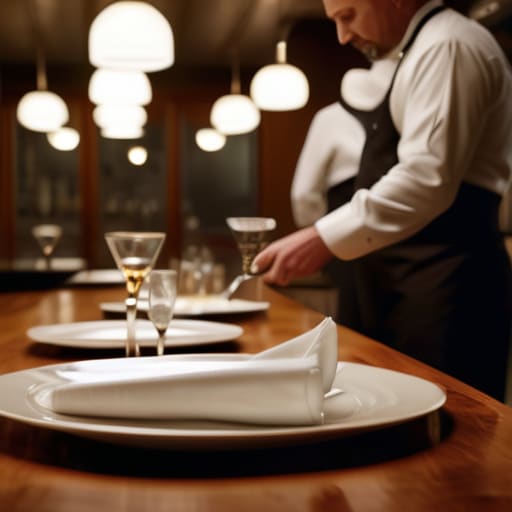
There is a specific kind of tension that enters a dining room when a group of twelve arrives for a milestone celebration without a single prior phone call. You can see it in the way the floor manager’s jaw tightens and the way the kitchen suddenly loses its rhythm. If you are serious about planning memorable events, the most important piece of hosting etiquette isn’t which flowers you bring or how much you tip; it is the courtesy of a heads-up. When you call a week ahead, you aren’t just “reserving a table”—you are allowing the manager to adjust the rota so they don’t have to run your party with a skeleton crew.
The same applies to the chaos of organizing surprise parties. I’ve seen many a beautiful moment ruined because a guest arrived twenty minutes early, or because a “surprise” guest didn’t account for the fact that the kitchen was already mid-service on a busy Friday. If you want the night to feel seamless, give the restaurant the gift of predictability. Tell us about the cake, the dietary requirements, and the exact moment the toast happens. We want to celebrate with you, but we can only do that if we aren’t fighting a losing battle against the clock.
The Real Logistics of a Celebration: Five Things to Get Right
- Don’t hide the guest count until the day of. If you tell me you’re a party of six and three more show up, I’m not just “adjusting” the seating; I’m potentially short one server and one prep cook for the entire evening. A sudden jump in numbers is a math problem that usually ends with someone’s service suffering.
- Be honest about the “surprise” element. If you’re planning a surprise proposal or a birthday reveal, tell the staff. We aren’t there to ruin the moment, but we do need to know so we don’t accidentally walk past with a tray of heavy plates or start clearing the table right when the ring comes out.
- The “Special Menu” trap. If you want a custom menu for your group, ask weeks in advance, not hours. A chef can do wonders with a specialized menu, but they can’t do them if they’re trying to source specific ingredients while the lunch rush is already hitting the pass.
- Manage your expectations on timing. A celebration usually involves more wine, more courses, and more conversation. If you book a table for two hours but expect a five-course tasting menu and a toast, you’re going to feel rushed, and we’re going to feel the pressure of the next booking sitting in the lobby.
- Tip for the service, not just the food. If you’ve asked for extra favors—extra chairs, specific dietary prep, or a candle lit at the right moment—the service has just become more complex. A generous tip isn’t just for the food; it’s for the extra mental load the staff took on to make your night feel seamless.
The Bottom Line: What Really Makes the Night Work
Give us the numbers early; a reservation for twelve is a completely different beast than a table of four, and telling us three days before instead of three hours before is the difference between a calm service and a kitchen staff on the verge of a breakdown.
Respect the menu’s limits by avoiding “off-book” requests; when you ask for something that isn’t listed, you aren’t just asking for a dish, you’re asking a chef to abandon their prep list and a server to lose their rhythm, which is a price the rest of the dining room shouldn’t have to pay.
Remember that a “special occasion” is a partnership, not a performance; the best celebrations happen when you trust the staff to do their jobs, rather than trying to manage them, because a relaxed guest is much easier to serve than one who is constantly policing the speed of the wine service.
The Invisible Cost of a Celebration
When you book a table for an anniversary or a milestone, you aren’t just buying a meal; you’re asking a small, tightly wound machine to change its rhythm for you. A truly great celebration isn’t about the extra candle in the wine glass or the complimentary dessert—it’s about whether the kitchen can keep its composure while the dining room is under pressure, and whether you’ve given us enough notice to make sure that magic doesn’t feel like a frantic scramble.
Rosalind Achterberg
The Final Bill
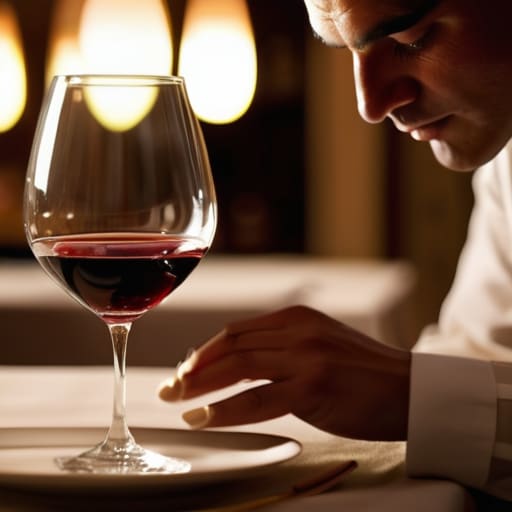
At the end of the day, a successful celebration isn’t built on expensive champagne or a table with the best view; it’s built on clear communication. If you give us the heads-up about the dietary requirements, the birthday song, or the fact that you’re celebrating a promotion, you aren’t being “high maintenance”—you are helping us do our jobs. When you respect the timing of the kitchen and the flow of the room, you allow us to move from a state of reactive firefighting to a state of graceful hospitality. It’s the difference between a server who is sweating through their shirt and a server who has the time to actually notice that your wine glass is empty.
I spent nearly three decades watching people attempt to manufacture “magic” through sheer force of will, only to realize that the most memorable nights are the ones where everything simply works. A great restaurant isn’t a stage for your drama; it is a partner in your joy. When you treat the staff as part of the evening’s choreography rather than just scenery, you create a space where the food can actually shine and the conversation can breathe. So, go out, book the table, and tell us the truth about what you need. We want to be part of your story, but we can only write the good chapters if we know what the script actually is.
Frequently Asked Questions
If I'm bringing my own special bottle of wine, how much should I actually expect to pay in corkage, and is it fair for them to charge me?
Don’t look at corkage as a penalty; look at it as a service fee. When you bring a bottle, the restaurant loses the profit on the wine they would have sold you, but they still have to pay the staff to polish the glass, chill the bottle, and manage the service. Expect to pay anywhere from £15 to £50 depending on the room. If it’s a high-end spot, they aren’t being greedy—they’re covering the gap you just created in their ledger.
Why does the restaurant care so much if I tell them about a dietary requirement three days in advance instead of just mentioning it when we sit down?
It’s not about being difficult; it’s about the math. If you tell me on Tuesday, I can order the specific gluten-free flour or that particular nut oil without it eating my entire margin. If you tell me when you sit down, I’m suddenly asking a panicked chef to scramble for a substitute while the rest of the dining room waits. I’d rather prep a perfect alternative for you than serve you a mediocre afterthought.
Is it better to book a large table for a celebration, or am I just making life harder for the staff and making my own night more chaotic?
Look, if you’re a group of twelve who wants to order off a twenty-page menu and hold court until midnight, you’re asking for a headache—for both of us. A large table isn’t a problem; it’s the unpredictability that kills the service. If you want a seamless night, book the table, but agree to a set menu or a limited selection. It keeps the kitchen sane, the pacing steady, and your wine glasses full.
