 Written by
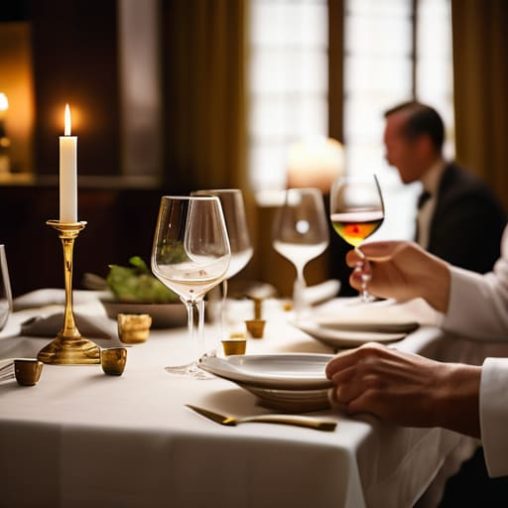
 I remember a Tuesday night in my old dining room, just as the clock hit nine, when a table of four decided they wanted the full tasting menu. They weren’t just hungry; they were hurrying, inhaling their starters like they were racing to catch a midnight train. They thought they were being efficient, but they had no idea that they were actually throwing my kitchen into a tailspin and stripping the joy right out of the food. Most people think learning how to pace a meal is about following a polite set of etiquette rules or waiting for a waiter to signal you, but that’s nonsense. In reality, it’s a delicate dance between your appetite, the kitchen’s rhythm, and the unspoken economics of a working restaurant.
I’m not here to give you a lecture on which fork to use or how to sit up straight. I want to tell you what happens behind the swinging doors when a dining room loses its tempo. I’ll show you how to read the room, how to respect the staff without being a nuisance, and why the best way to master how to pace a meal is to realize that time is just as much an ingredient as salt or butter.
Managing Kitchen Workflow Without Losing Your Mind
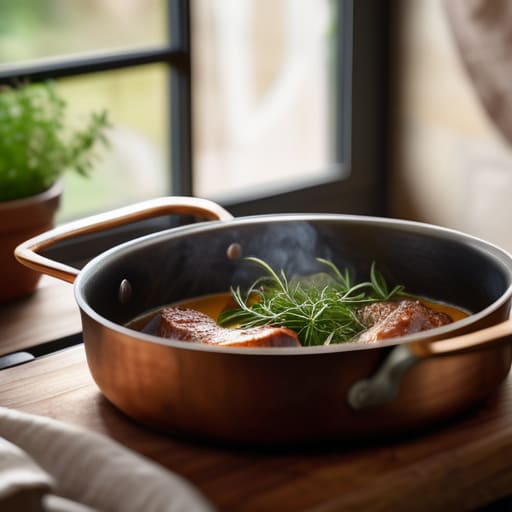
When you’re running a service, the kitchen isn’t just a room where food happens; it’s a living, breathing clock. If the prep isn’t disciplined, that clock starts to stutter. I learned the hard way that managing kitchen workflow isn’t about working faster—it’s about working smarter so you aren’t sprinting during the rush. If you’re trying to host a dinner party at home, the mistake most people make is treating every dish like it requires your undivided attention at the exact same moment. You end up standing over a pan of reduction while the roast sits lonely and cold in the oven.
The secret to a smooth dining experience flow is the art of the “staggered start.” You need to build your menu around what can sit, what can be finished in a flash, and what requires a steady hand. If you try to time five different components to hit the plate at once, you aren’t cooking; you’re performing a high-stakes circus act. True composure comes from the prep done three hours before the first guest even rings the bell. When the mise en place is solid, the service feels effortless, even if your heart is hammering against your ribs.
The Dining Experience Flow Avoiding the Rush and the Rut
The problem with most modern dining is that it’s either a sprint or a standstill. You see it in the high-end spots where the courses arrive with such mechanical precision that you feel like you’re on a conveyor belt, or in the casual bistros where you’re left staring at a dirty plate for twenty minutes because the floor staff has gone AWOL. Achieving a true dining experience flow isn’t about speed; it’s about managing the gaps. If the gap between the starter and the main is too short, the kitchen hasn’t had time to reset their station, and you’ll taste the panic in the seasoning.
When you are at home, the same physics apply. If you’re looking for hosting a dinner party tips that actually work, stop trying to be a magician. The mistake most amateurs make is attempting to cook everything to order while simultaneously trying to be a charming conversationalist. You end up in a rut, hovering over the stove, and the guests feel the tension. A successful evening relies on the prep being done long before the first cork is pulled, allowing the service to feel effortless rather than frantic.
The Unspoken Contract: Five Ways to Respect the Rhythm of the Room
- Don’t treat the menu like a sprint. When you sit down, take five minutes just to breathe and look at the room before you even touch the bread basket. If you demand your order the second the menus are laid down, you’re forcing the kitchen to start a marathon before they’ve even finished their warm-up, and that’s exactly how mistakes happen.
- Watch the staff, not just your plate. If you see a waiter hovering or looking slightly frayed, it’s a sign the kitchen is hitting a bottleneck. This is your cue to slow down, sip your wine, and let them find their footing. Trying to force a course through when the pass is backed up is a losing battle for everyone involved.
- The “One Drink, One Course” Rule. If you’re nursing a cocktail for forty minutes while your appetizer sits untouched, you aren’t being “relaxed”—you’re creating a vacuum in the service flow. A well-paced meal moves in waves; if you stall one wave, the rest of the kitchen’s timing for the entire dining room starts to drift.
- Respect the “Turn.” If you have a reservation for 7:00 PM and you know the restaurant is fully booked, don’t expect to linger over espresso for an hour after your check is paid. I’ve spent many a night staring at a table of two who refused to budge, knowing there were six hungry people waiting outside. It’s not about being rude; it’s about understanding that your meal is part of a larger, moving machine.
- Communication is cheaper than a bad review. If you’re in a genuine hurry—say, you have a theater curtain at 8:00—tell the server immediately. Don’t wait until the mains arrive to realize you’re out of time. A professional kitchen can pivot and accelerate if they know the constraint, but they can’t fix a problem they haven’t been told about.
The Real Cost of Your Dining Rhythm
Respect the kitchen’s cadence; when you rush through courses, you aren’t just eating fast, you’re breaking the kitchen’s rhythm and forcing the staff to play a frantic game of catch-up that leads to mistakes.
Understand that a slow, steady meal is a luxury that requires precise timing; if you want the full experience without being a burden, avoid the “dead zones” when the staff is pivoting between service peaks.
Recognize that your pace dictates the economics of the table; a well-timed meal allows the restaurant to turn the room efficiently without making you feel like a guest being ushered toward the exit.
The Hidden Cost of the Quick Bite
When you sit down and treat a meal like a task to be completed rather than a tempo to be felt, you aren’t just being efficient—you are breaking the delicate, expensive clockwork of the kitchen; every time you rush, you force a chef to break their rhythm and a waiter to lose their grace, and quite frankly, no amount of tip money compensates for the chaos of a dining room that has lost its pulse.
Rosalind Achterberg
The Final Bill
At the end of the day, pacing a meal isn’t some abstract lesson in etiquette; it is a practical negotiation between your appetite and the reality of the room. You have to understand that when you respect the timing, you aren’t just being polite—you are helping the kitchen maintain its essential rhythm and ensuring the server doesn’t trip over their own feet trying to catch up to your pace. Whether it’s knowing when to signal for the check or realizing that a three-course meal shouldn’t be squeezed into forty-five minutes, your awareness is the invisible hand that keeps the service from sliding into chaos. When everyone plays their part, the food tastes better, the wine breathes longer, and the business actually stands a chance of seeing you again next week.
I spent twenty-six years watching people treat dining like a transaction to be completed rather than an experience to be inhabited. My advice is simple: stop treating your dinner like a task on a to-do list. If you want the best version of what a restaurant has to offer, you have to give them the one thing they can’t manufacture: your patience. A meal is a shared performance between the people in the kitchen and the people at the table, and it only truly works when everyone agrees to slow down and stay a while.
Frequently Asked Questions
If I’m dining in a large, loud group, how do I slow the pace down without feeling like I’m the one holding everyone hostage?
You aren’t holding them hostage; you’re actually the only one looking out for the staff. In a large group, the kitchen gets hit with a tidal wave of orders all at once, and the servers get caught in the crossfire. If you want to slow things down, don’t make a speech. Just be the one who orders a round of drinks or an extra appetizer early. It buys the kitchen breathing room and keeps the table’s momentum steady without the awkwardness of a lecture.
When a restaurant is clearly slammed, is it better to signal the staff to speed things up, or should I lean into the chaos and take my time?
Don’t you dare signal for speed. When the pass is buried and the tickets are hanging like streamers, asking to “hurry things up” is the most expensive thing you can do—not in money, but in dignity. You’re asking a kitchen to trade precision for velocity, and that’s when the steak comes out gray or the sauce breaks. Lean into it. Order another glass of wine, settle in, and let them find their rhythm. A calm table is a gift to a stressed server.
How much does my personal dining speed actually impact the restaurant's ability to turn tables and make a profit?
It’s simple math, though most diners never see the ledger. If you’re booked for a 7:00 PM slot and linger until 9:30 PM, you aren’t just “savoring the moment”—you’re effectively killing the 8:30 PM reservation. In a small room, one slow table can cascade into a night of missed covers, stressed servers, and a massive dent in the nightly margin. You aren’t just eating; you’re occupying a seat that has a specific, calculated value.
