 Written by
 I remember a Tuesday night back in my old dining room, watching a young couple stare at the wine list like it was a math exam. They’d ordered a heavy, chocolate-laden dessert and a glass of something bone-dry, only to watch their faces fall as the cocoa turned the wine bitter and thin. It’s the same mistake I see in glossy magazines every week: they treat dessert pairings like a suggestion rather than a chemical necessity. Most people think you just need something sugary to match the plate, but they completely misunderstand how sweet wines work in a real-world setting. It isn’t about matching sugar with sugar; it’s about managing the tension between the acid, the alcohol, and the food so one doesn’t murder the other.
I’m not here to sell you on expensive labels or tell you that every Sauternes is a miracle in a bottle. Instead, I’m going to pull back the curtain on the actual mechanics of the pairing—the part they don’t teach you in those fancy sommelier courses. I’ll show you why a certain level of residual sugar is the only thing standing between a balanced meal and a cloying disaster.
The Cruel Math of Residual Sugar in Wine
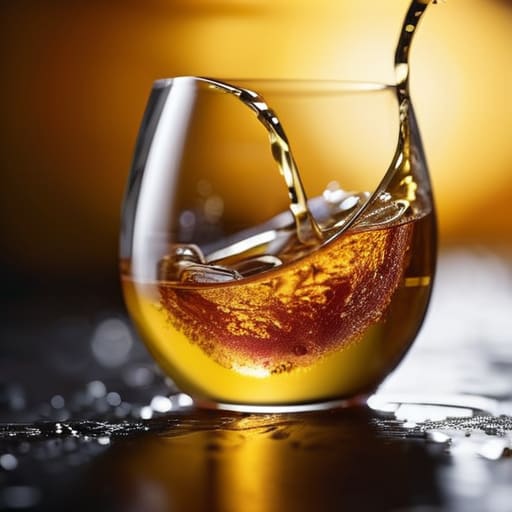
When you look at a bottle of Sauternes or a late-harvest Riesling, don’t just see a luxury; see a massive gamble on a balance sheet. Most people think sweetness is just about indulgence, but from the cellar door, it’s a high-stakes calculation of balance of sugar and acid. If that acid isn’t sharp enough to cut through the weight, you aren’t serving a fine wine—you’re serving liquid syrup, and your customers will feel it in their throats.
Then there is the sheer cost of production. If you’re dealing with noble rot fermentation, you aren’t just paying for grapes; you are paying for the risk of a ruined harvest and the astronomical price of concentrated fruit. When a producer manages to harness those botrytized grapes, they are essentially squeezing a tiny amount of profit out of a very expensive, very temperamental process. Every gram of residual sugar in wine represents a choice: do we stop the fermentation early to keep that sweetness, or do we let it run to keep the alcohol content in check? It is a tightrope walk where one wrong move leaves you with a bottle that is either too cloying to drink or too expensive to sell.
Finding the Balance of Sugar and Acid
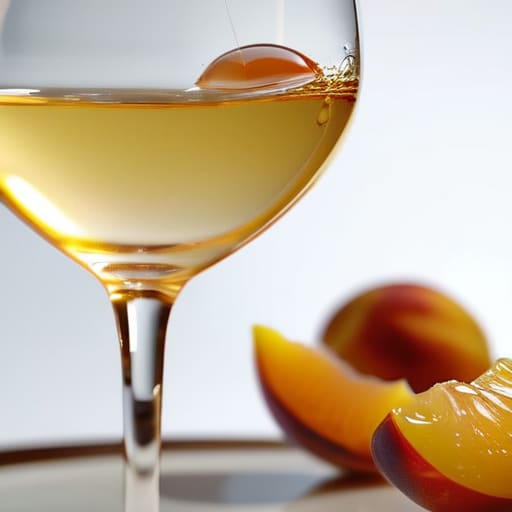
You can have all the expensive fruit in the world, but if that wine doesn’t have the backbone to stand up to it, you’re just drinking liquid syrup. In my old dining room, I saw too many guests reach for a heavy Sauternes only to find it felt cloying and heavy, like a thick blanket over the tongue. The secret isn’t just about the sweetness; it is about the balance of sugar and acid. Without high acidity to slice through that richness, the palate gets fatigued by the third sip, and your guest won’t be looking at the dessert menu—they’ll be looking for the exit.
It’s a delicate tightrope walk for the winemaker. When you look at complex dessert wine flavor profiles, you’ll notice they often carry a sharp, bright edge that cuts right through the honeyed notes. This is why a wine born from noble rot fermentation is so prized; the botrytis doesn’t just concentrate the sugar, it adds a structural complexity that prevents the wine from feeling one-dimensional. It’s the difference between a well-composed dish and a bowl of pure sugar.
Five Rules for Not Ruining Your Service with Sweetness
- Stop treating dessert wine like an afterthought. If you wait until the guest is full and tired to suggest a Sauternes or a Late Harvest Riesling, you’ve already lost the sale and the experience. It should be part of the conversation from the moment they look at the menu, because sugar isn’t just a finish; it’s a transition.
- Watch your acidity like a hawk. I’ve seen too many young sommeliers push a heavy, syrupy dessert that sits in the stomach like a brick. If that wine doesn’t have enough acid to cut through the fat or the sugar, it’s not a pairing—it’s a mistake. A sweet wine without backbone is just expensive juice.
- Learn the difference between “sweet” and “cloying.” In my dining room, if a guest felt like they needed a glass of water halfway through a dessert wine, I knew the kitchen and the cellar weren’t talking to each other. The sugar in the glass must dance with the sugar on the plate, not try to outshout it.
- Don’t be afraid of the savory bridge. People think sweet wines are only for chocolate or fruit, but they are the secret weapon for salt and spice. A bit of residual sugar can tame a spicy Thai curry or a salty blue cheese better than any dry red ever could. It’s about tension, not just sweetness.
- Respect the temperature. If you serve a sweet wine too warm, the alcohol jumps out and makes the sugar feel aggressive and cheap. Keep them chilled—not ice-cold, which kills the aromatics, but cool enough to keep the structure tight. A warm sweet wine is a lazy wine, and I never tolerated laziness on my floor.
The Bottom Line for the Table and the Till
Stop looking for “sweetness” as a flavor and start looking for it as a tool; a wine only works if its acidity is strong enough to cut through the sugar, or you’re just serving liquid candy that kills the palate.
For the diner, the goal is a seamless transition from salt to sugar, but for the restaurant, the goal is a wine that doesn’t make the guest feel heavy or sluggish before they’ve even considered the dessert menu.
Never mistake a high price tag for a balanced dessert wine; a truly great pairing isn’t about the prestige of the label, it’s about whether the wine has enough structural integrity to stand up to the plate without making the food taste one-dimensional.
The Margin of Error
“When you’re balancing a dessert wine against a rich pastry, you aren’t just playing with flavors; you’re managing a high-stakes chemical equation where a single gram of misplaced sugar can make a perfectly good vintage taste like cheap syrup and ruin the entire evening’s profit margin.”
Rosalind Achterberg
The Bottom Line on the Sweet Stuff
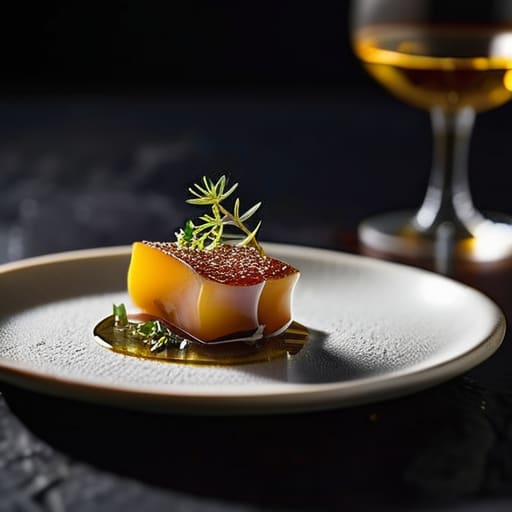
At the end of the day, understanding sweet wine isn’t about chasing a sugar high; it’s about respecting the delicate equilibrium between the cellar and the kitchen. We’ve looked at how the math of residual sugar can either elevate a dish or completely flatten the palate, and how acidity acts as the invisible scaffolding that keeps a dessert wine from feeling heavy and cloying. When you pair a Sauternes with a foie gras or a late-harvest Riesling with a spicy finish, you aren’t just eating and drinking; you are managing a calculated chemical reaction that requires both the chef and the sommelier to be singing from the same hymn sheet.
If there is one thing I learned from twenty-six years of watching plates go out and bottles being uncorked, it’s that the best dining experiences are never about the most expensive label on the list. They are about the moments where the wine stops being a separate entity and starts being the essential bridge to the food. Don’t be afraid of the sugar, but don’t be fooled by it either. Look for the tension, look for the brightness, and remember that a truly great glass of sweet wine is one that leaves you wanting another sip, rather than one that makes you reach immediately for a glass of water.
Frequently Asked Questions
If a wine is cloyingly sweet, is it a fault of the grape or a failure of the kitchen to balance the plate?
It’s usually a collision, not a single culprit. If a wine tastes like syrup, the winemaker likely lost the battle against ripeness, but if that wine makes your mouth feel like it’s been coated in wax, the kitchen has failed you. A dessert wine shouldn’t fight the plate; it should dance with it. If the salt, acid, or fat in the dish can’t cut through that sugar, the chef has left you stranded.
Why does a restaurant charge a premium for dessert wines when the bottles are often smaller than a standard pour?
It’s not a scam, though I know it feels like one when you’re staring at the bill. Those tiny bottles are expensive because they’re rare, and rarity is a killer for the bottom line. You aren’t just paying for the liquid; you’re paying for the cellar space it occupies and the fact that we can’t just “move” a vintage of Sauternes like we can a house white. It’s high-stakes inventory.
At what point does a sweet wine stop being a pairing and start being a distraction from the main course?
It stops being a pairing the moment the sugar starts fighting the food instead of framing it. If your dessert wine is so heavy it makes the delicate salt of a foie gras feel like a mistake, or if the alcohol burn masks the nuances of a sauce, you’ve lost. A pairing should be a bridge, not a barrier. If the wine is the only thing you’re tasting, the plate has failed.
