 Written by
 I once watched a young sommelier at a high-end bistro spend ten minutes lecturing a regular about the “evolutionary potential” of a vintage that was, quite frankly, halfway to vinegar. People love to make this complicated, turning a simple question of how long to keep a bottle into a high-stakes game of investment and prestige. They talk about cellar temperatures and humidity percentages like they’re preparing a rocket for launch, but most of the time, they’re just hiding the fact that they don’t know a good bottle from a dying one. In my sixteen-cover dining room, we didn’t have room for that kind of pretension; we had to know exactly when a wine was at its peak, or we were literally pouring profit down the drain.
I’m not here to sell you a temperature-controlled cave or a subscription to a wine club you don’t need. I want to tell you the truth about what actually happens to your wine while it sits in your cupboard, from the moment the cork is driven home to the day it finally gives up the ghost. I’ll give you the unvarnished reality of storage, stripped of the marketing fluff, so you can stop guessing and start drinking.
Why Cellar Temperature for Wine Aging Is a Non Negotiable Cost
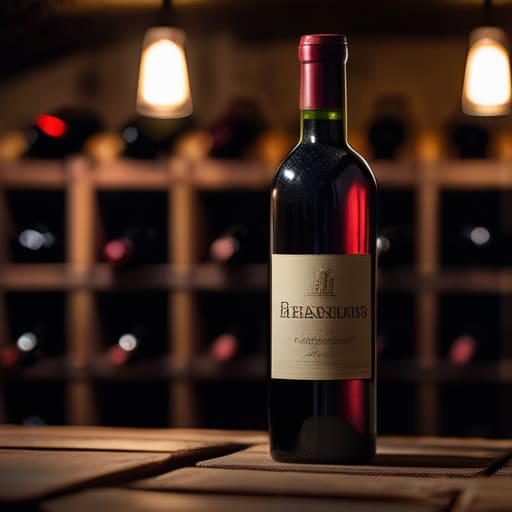
When I ran my sixteen-cover place, the biggest argument I ever had with my landlord wasn’t about the rent; it was about the electricity bill for the cellar. New owners often look at a climate-controlled storage unit as a luxury or a “nice-to-have” line item, but in reality, it is the only thing standing between a fine vintage and expensive vinegar. You can buy the most expensive Bordeaux in the world, but if you keep it in a cupboard above the radiator, you aren’t aging wine—you’re cooking it.
The physics are unforgiving. Fluctuating cellar temperature for wine aging is the silent killer; it causes the liquid to expand and contract, microscopic amounts at a time, which eventually compromises the seal. This leads to the devastating effects of oxidation on wine, where the bright fruit notes turn to bruised apple and cardboard. If you’re trying to respect the tannin development in wine, you have to provide stability. You aren’t just paying for a cold room; you are paying for the insurance that the bottle you opened five years from now actually tastes like the one you bought today.
The Invisible Thief Effects of Oxidation on Wine
If you’ve ever pulled a cork only to find a liquid that smells more like bruised apples than a fine vintage, you’ve met the invisible thief. Oxidation isn’t a sudden heist; it’s a slow, quiet robbery that happens when air finds its way into the bottle. In my old dining room, I’d see it happen to the bottles we’d opened for a tasting and left sitting on the sideboard. Once that seal is compromised, the effects of oxidation on wine move fast, stripping away the bright fruit and leaving you with something flat, brownish, and frankly, sad.
It’s a delicate balance. A tiny bit of oxygen is what allows for proper tannin development in wine over years of quiet aging, turning harsh edges into silk. But too much, and you’ve effectively turned a premium Cabernet into expensive vinegar. I always told my staff: if the cork looks pushed or the color looks tired, don’t even bother trying to sell it. You aren’t just losing the liquid; you’re losing the trust of the person sitting at your table.
Five Ways to Stop Your Cellar from Becoming a Graveyard
- Stop treating your kitchen cupboard like a vault. I’ve seen enough dusty bottles go flat because they sat next to a toaster or a running dishwasher; if the room fluctuates more than a few degrees, you aren’t aging wine, you’re just stressing it out.
- Vibration is the silent killer you never think about. You might think a wine rack in the corner of a busy kitchen is fine, but those constant, micro-tremors from a heavy fridge or a nearby washing machine keep the sediment in a permanent state of agitation, and that’s the last thing you want for a long-term bottle.
- Buy a proper corkscrew, not the cheap plastic thing that looks like a toy. If you’re planning on keeping a bottle for five or ten years, you’re going to deal with a delicate, fragile cork; if you go in there with a blunt tool and a heavy hand, you’ll end up with cork bits in your glass and a ruined evening.
- Don’t be a hero with the “best” bottles. Every restaurant owner knows the temptation to hold onto the expensive stuff indefinitely, but wine isn’t a savings account—it’s a living thing with a peak, and sometimes the most expensive mistake you can make is waiting for a window that has already closed.
- Check your seals every few months, not every few years. A tiny bit of seepage or a cork that looks slightly recessed isn’t just a mess; it’s a warning that the seal has failed and oxygen is winning the war. If the cork looks dodgy, drink it now or pour it out—don’t wait for it to turn to vinegar.
The Bottom Line on Bottle Longevity
Stop treating your wine like a decoration; if you aren’t controlling the temperature and the light, you aren’t aging a vintage, you’re just watching it die a slow, expensive death.
Understand that “cellar life” isn’t a magic number on a label, but a fragile window that closes the moment you let a bottle sit near a radiator or a sunny window.
Don’t be fooled by the hype of a “long-lived” wine—the best bottle in your collection is the one you drink when it’s ready, not the one you keep as a trophy while the oxygen slowly turns it to vinegar.
The Cost of Waiting
People always ask me how long they can keep a bottle, as if time is a free resource. It isn’t. Every day that wine sits in your cupboard is a gamble against the light, the heat, and the inevitable slow death of the cork. You aren’t just ‘aging’ a liquid; you are managing a ticking clock, and if you don’t respect the conditions it lives in, you’re just paying for a very expensive way to drink vinegar.
Rosalind Achterberg
The Bottom Line on the Bottle
At the end of the day, keeping a bottle for the long haul isn’t about magic or having a state-of-the-art cellar that looks like a Bond villain’s lair; it’s about managing the variables that actually matter. You have to respect the temperature, fight the slow creep of oxidation, and understand that every hour spent in a warm kitchen is an hour stolen from that wine’s potential. Whether you are a collector or just someone who likes to stock a few nice bottles for a special Tuesday, remember that the goal isn’t just to hold onto something, but to preserve the reason you bought it in the first place. If you ignore the basics of storage, you aren’t aging wine—you’re just watching it die slowly.
I spent twenty-six years watching people treat wine like a trophy rather than a living thing, and I can tell you that the best bottles are the ones that actually get tasted. Don’t let the fear of “ruining” a vintage keep you from the joy of the drink; use what you know, respect the science, and then get out of your own way. A bottle kept perfectly for twenty years is a technical triumph, but a bottle shared with friends when it’s at its peak is why we do this in the first place. Buy what you love, store it with intention, and then pour the damn thing.
Frequently Asked Questions
If I’ve already pulled the cork, how long do I actually have before that expensive bottle turns into something resembling vinegar?
Once that seal is broken, you’re in a race against the clock. For a heavy red with decent tannins, you might get three to five days if you pop it in the fridge; for a delicate white, you’ve got maybe two before it loses its soul. If it’s sparkling, don’t even bother—once the bubbles go, the joy goes with them. Keep the cork in, keep it cold, and stop overthinking it.
Is there any real difference between a bottle kept in a proper cellar and one left in my kitchen cupboard, or is that just marketing nonsense?
It’s not marketing nonsense; it’s basic physics. Your kitchen cupboard is a death trap. Between the heat from the oven and the vibration of the fridge, you’re essentially cooking the wine. A proper cellar provides the steady, quiet stillness a bottle needs to evolve. In a cupboard, that expensive Bordeaux isn’t “aging”—it’s decomposing. You aren’t paying for a fancy room; you’re paying for the absence of chaos.
When should I stop holding onto a bottle for "potential" and just admit it’s time to drink it before it's gone for good?
Stop waiting for a “peak” that might never arrive. In my experience, the most heartbreaking thing isn’t a bad bottle; it’s a great one that turned into vinegar because you were too precious to pull the cork. If the label is starting to look tired or the wine is losing its structural backbone, drink it now. A bottle at 80% of its potential is a triumph; at 10%, it’s just a wasted expense.
