 Written by
 I’ve sat through enough dinners to watch people perform a ridiculous, choreographed dance with a glass of Cabernet, sniffing it like they’re trying to solve a crime and swirling it until they’re dizzy. Most of the “experts” will tell you that learning how to taste wine properly requires a degree in chemistry and a vocabulary of words like flinty or ethereal that nobody actually uses in real life. It’s all a bit much, isn’t it? All that posturing usually just masks one simple truth: they’re trying to make a drink feel like a lecture, and frankly, they’re missing the point.
I’m not here to teach you how to impress a sommelier or use words you can’t pronounce. I want to show you how to actually listen to what’s in the glass without the pretension. I’ll give you the unvarnished truth about what your palate is actually doing, why the temperature of the room matters as much as the vintage, and how to tell if you’re drinking something truly special or just paying for a very expensive label. Let’s strip away the theater and get back to the liquid.
The Ritual of the Swirl How to Swirl Wine for Aeration
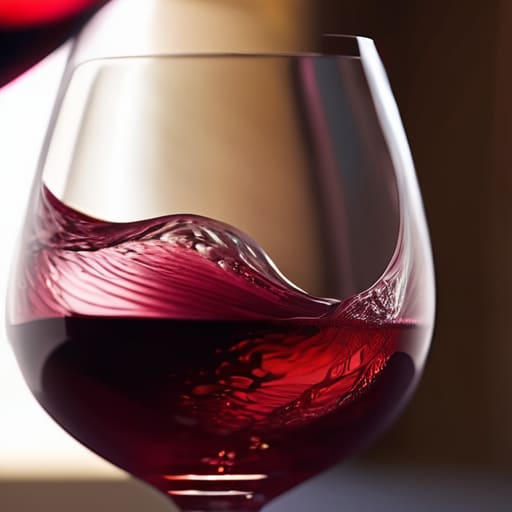
Now, don’t go grabbing the stem like you’re about to lift a heavy crate of produce; you aren’t trying to muscle the glass. If you want to master how to swirl wine for aeration without making a spectacle of yourself, keep your grip light at the base. A gentle, circular motion on the table—or a small, controlled pivot in the air if you’re feeling steady—is all it takes. You aren’t performing for the room; you are simply waking the liquid up.
The goal here isn’t just to look sophisticated for the person at the next table. When you swirl, you are increasing the surface area of the wine, allowing oxygen to interact with the compounds that have been trapped in the bottle. This is a vital part of evaluating wine aroma and bouquet, as it coaxes those shy, tight scents to finally open up. If you skip this, you’re essentially eating a meal without seasoning. You’ll miss the subtle notes of cedar or dark fruit that only reveal themselves once they’ve had a chance to breathe. Don’t rush it; let the wine do the work.
Evaluating Wine Aroma and Bouquet Before the First Sip
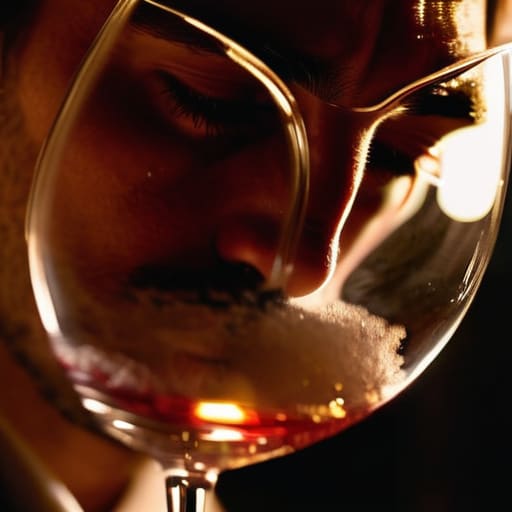
Once you’ve given the wine a proper swirl to wake it up, don’t just shove the glass under your nose like you’re looking for a lost contact lens. You need to actually engage with it. I used to watch young sommeliers do this with such performative intensity, but the truth is much simpler: you’re just looking for the story the winemaker is trying to tell. When evaluating wine aroma and bouquet, start by keeping your nose a few inches from the rim. You’re looking for the primary scents—the fruit, the flowers, the earth—before the alcohol hits you like a freight train and numbs your senses.
If you’re practicing identifying wine flavor profiles, try to be specific. Don’t just tell me it “smells like fruit.” Is it the bright, sharp acidity of a green apple, or the heavy, jammy weight of a sun-ripened blackberry? In my old dining room, if a guest complained a red was “off,” it was usually because they hadn’t given the bouquet a moment to settle. Complexity takes a second to arrive. If you rush the scent, you’re missing the nuance that separates a decent bottle from a truly remarkable one.
Five Things They Don't Teach You in the Tasting Room
- Temperature is everything, and no, “room temperature” is a lie. If you’re drinking a heavy red that’s been sitting in a warm dining room for an hour, you aren’t tasting fruit; you’re tasting alcohol burn. Keep your whites crisp and your reds slightly cool—around 16 degrees—or you’re just wasting the winemaker’s effort.
- Stop looking for “notes of leather and tobacco” just because a guidebook told you to. If a wine tastes like tart cherries to you, then it’s tart cherries. The moment you start performing for a critic, you stop actually tasting the liquid in your glass.
- Pay attention to the finish, not just the initial hit. A cheap wine hits your tongue with a sugar spike and then vanishes like a bad waiter. A wine worth the price tag is the one that lingers, evolving on your palate long after you’ve swallowed. That’s where the real story is told.
- Use the right glass, but don’t let the glassware hold you hostage. You don’t need a crystal decanter for every bottle, but a narrow rim helps concentrate the aromas. If you’re drinking out of a thick, rimless tumbler, don’t complain when the bouquet feels flat; you’ve literally choked the life out of it.
- Context is the final ingredient. A bright, acidic Sauvignon Blanc might feel thin on its own, but paired with a salty piece of goat cheese, it suddenly makes sense. To taste properly, you have to understand how the wine intends to live on a plate, not just how it sits in a vacuum.
The Practicaler Side of the Glass
Stop treating the glass like a precious artifact; hold it by the stem so your body heat doesn’t cook the wine before you’ve even had a chance to judge it.
Don’t feel pressured to find notes of “leather” or “forest floor” just because a guidebook says so—if it tastes like sour cherries to you, then it’s sour cherries, and that’s the only truth that matters.
Remember that tasting is a skill of patience, not a race to the bottom of the bottle; if you rush the process, you’re just paying for expensive fermented grape juice instead of actually experiencing the craft.
The Business of the Sip
People think tasting wine is about finding something expensive to brag about, but it’s actually about respect—respect for the soil, the hands that picked the grapes, and the person who paid the bill. If you aren’t actually paying attention to what’s in the glass, you’re just drinking liquid math and wasting everyone’s time.
Rosalind Achterberg
The Glass is Only Half the Story
At the end of the day, tasting wine isn’t about memorizing a list of tannins or identifying a specific note of pencil shavings just to impress the person sitting across from you. It’s about the mechanics of attention. You’ve learned to swirl to let the wine breathe, you’ve taken a moment to actually smell what’s in the glass, and you’ve begun to notice how the weight of the liquid sits on your palate. These aren’t just fancy tricks; they are the tools that stop you from simply swallowing liquid and start you actually experiencing it. If you can master the rhythm of the sight, the scent, and the sip, you stop being a passive consumer and start becoming a guest who understands what the winemaker put into the bottle.
Don’t let the technicalities intimidate you into silence. I’ve seen people in my dining room freeze up because they were afraid of saying the “wrong” thing about a vintage, and frankly, that’s a waste of a perfectly good bottle. There is no such thing as a wrong opinion, only an unexamined one. The goal isn’t to become a sommelier; the goal is to find your own connection to the glass. So, go ahead, buy the bottle that catches your eye, sit down, and listen to what it has to say. After thirty-eight years of service, I can tell you: the best wine in the world is simply the one that makes you stop talking and start feeling.
Frequently Asked Questions
If I’m drinking a decent bottle at a loud bistro, do I really need to go through all this nonsense, or can I just enjoy the drink?
Look, if you’re in a noisy bistro with a plate of salt-crusted sea bass in front of you, I’m not going to tell you to perform a ceremony. Life is too short for pretension. But don’t mistake “just enjoying it” for drinking blindly. Even in a ruckus, take three seconds to actually smell it. If you don’t, you’re missing the very reason you paid forty pounds for that bottle in the first place.
How much does the actual temperature of the wine change the way I’m supposed to be smelling and tasting it?
Temperature isn’t just a preference; it’s the volume knob on the wine’s personality. If you serve a heavy red at room temperature—and I mean a modern, stuffy 22°C—the alcohol screams and drowns out every delicate nuance. It’s like trying to hear a whisper in a construction site. Conversely, a chilled white that’s too cold stays tight and shut down. You want it just on the edge of crisp, so the aromas actually have permission to lift.
What am I actually looking for when I take that first sip—is it just about the flavor, or is there something more technical going on with the structure?
It isn’t just about whether it tastes “good”—that’s a lazy question. You’re looking for the architecture. I want to feel the weight of it on my tongue: that’s the body. I’m checking the acidity to see if it makes my mouth water, and the tannins to see if they grip my gums. If the fruit is there but the structure is hollow, it’s just expensive juice. You’re looking for how those elements hold hands.
