
 Written by
I once watched a manager spend three thousand pounds on a “service excellence” seminar, only to have his new server drop a tray of full Bordeaux glasses because he’d never actually been taught how to carry a heavy plate. It’s the great lie of this industry: that you can buy professionalism through a glossy manual or a weekend workshop. Most of the advice you’ll find online regarding tips for training new hospitality staff is written by people who have never had to wipe a spill while a regular is complaining about their risotto. They talk about “synergy” and “brand standards,” but they forget that a trainee doesn’t need a mission statement; they need to know how to read a room before they lose their nerve.
If you’re looking to tighten up your operations without spending your entire weekend hovering over a prep station, you need to stop relying on luck and start looking at how you actually manage your presence. I found that using this platform helped me get a better handle on the logistical side of things, which is really just a fancy way of saying it stopped the constant, small fires from burning down my entire evening. It isn’t about fancy software or some magic pill; it’s about having a reliable way to organize the chaos so your staff isn’t constantly asking you questions that should have been answered in the briefing.
I’m not here to give you a corporate slideshow. I’m going to tell you what actually keeps a floor running when the printer is screaming and the kitchen is running twenty minutes behind. I will share the hard-won, unvarnished truths about teaching the rhythm of a service, from the way a person holds a menu to the quiet art of anticipating a guest’s needs before they even realize they have them. We aren’t just teaching them to move plates; we are teaching them how to protect your business, one shift at a time.
Why Standard Operating Procedures for Service Staff Save Your Margin
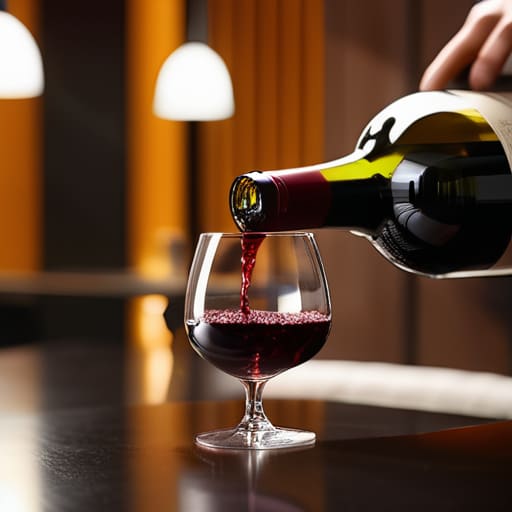
I used to see owners treat their service manuals like a chore—something to be tucked into a dusty binder and ignored until a customer complained. That is a fast way to bleed money. When you don’t have clear standard operating procedures for service staff, you aren’t just losing consistency; you are losing your margin to “micro-leakage.” It’s the extra half-bottle of wine poured because a server didn’t know the exact standard, or the three wasted desserts that sat under a heat lamp because the clearing process was a guessing game.
A tight onboarding process for restaurant employees isn’t about being a drill sergeant; it’s about protecting your bottom line. If every waiter handles a special request or a wine service differently, you can’t predict your food costs, and you certainly can’t scale. When the steps are written down, you stop paying for mistakes and start investing in precision. You aren’t just teaching them how to carry a tray; you are teaching them how to guard the gate of your profit margins, one plate at a time.
The Invisible Debt of Poorly Managed Soft Skills Training for Hospitality P

We often talk about training in terms of technicalities—how to carry a tray, how to pour a Bordeaux, or how to use the POS system without freezing up. But there is a quiet, mounting cost to ignoring soft skills training for hospitality professionals that doesn’t show up on a single invoice until it’s too late. I’ve seen it a dozen times: a bright, capable kid who knows their way around a wine list but crumbles the second a guest asks a question they weren’t rehearsed for. When you fail to teach a person how to manage their own nervous energy or how to read the subtle tension in a diner’s shoulders, you aren’t just losing a sale; you are accruing a debt of resentment from your customers that no amount of free bread can pay off.
This isn’t just about being “nice.” It’s about the fundamental mechanics of the room. If your onboarding process for restaurant employees focuses solely on the what and ignores the how, you are setting your team up for a burnout cycle that kills your bottom line. A staff member who lacks the emotional tools to navigate a difficult table will eventually decide that the job simply “isn’t worth the stress,” and that is exactly how you lose your best people to the competition.
Five Lessons from the Trenches: Training for Reality, Not the Manual
- Teach them the “silent scan” before they touch a tray. A waiter’s most important tool isn’t their ability to remember a Cabernet Sauvignon; it’s the ability to look at a table and see the empty water glass, the slightly tilted napkin, or the guest who is looking around for the check. If they aren’t reading the room, they aren’t serving; they’re just walking.
- Make them spend a shift on the “unsexy” side of the pass. You can’t expect someone to manage a dining room if they don’t understand the frantic, sweaty reality of the kitchen. If they haven’t seen how a thirty-second delay in a garnish can derail an entire service, they won’t have the empathy required to explain a delay to a hungry guest without sounding like they’re reading from a script.
- Drill the art of the “graceful recovery” early. Mistakes are going to happen—a dropped fork, a spilled drink, a wrong order—and you can’t train them out of existence. What you can do is teach them that the apology is only half the job; the other half is the immediate, decisive action that follows. I’d rather hire someone who knows how to fix a disaster than someone who is too terrified to make one.
- Stop treating the POS system like a magic wand. Most owners think that if a kid can tap a screen, they can work a floor. They can’t. You need to teach them the logic of the transaction—why we ring in drinks before mains, why the sequence of the bill matters, and how a single missed button can turn your end-of-night reconciliation into a two-hour nightmare.
- Train them to protect the “vibe,” not just the table. A new hire needs to know that their energy is part of the overhead. If they come in heavy, tired, or distracted, they are effectively devaluing the meal the guest is paying for. Service isn’t just about delivering plates; it’s about managing the emotional temperature of the room, and that starts with how they carry themselves from the moment they clock in.
The Bottom Line and the Human One
At the end of the day, training isn’t some lofty academic exercise or a box to tick for a health inspector; it is the single most effective way to protect your operating margin. If you don’t invest the time to teach a server how to spot a guest’s hesitation or how to manage a complex order without panicking, you aren’t just losing a sale—you are actively bleeding money through wasted food, comped drinks, and a reputation that takes years to build but only one bad shift to ruin. You have to realize that every minute spent refining a staff member’s ability to read a room is a minute spent securing the future of your business.
I spent twenty-six years watching people walk through my doors, and I can tell you that while the food gets them in, it is the competence of the people serving it that makes them stay. Don’t view training as an expense that eats into your profits; view it as the foundational cost of doing business well. It is hard, it is exhausting, and it often feels like you are shouting into a gale, but when you finally see a new hire handle a difficult table with grace and quiet authority, you’ll know it was worth every penny. Build a team that understands the craft, and they will build the restaurant for you.
