 Written by
Stop buying the designer ceramic pots and the $40 “specialized” nutrient sprays that promise a tropical paradise in a week. It’s a racket, plain and simple, and it’s exactly how people end up with a graveyard of shriveled leaves in the corner of their living room. Most people approach a beginner guide to indoor plant care as if they’re following a recipe for a soufflé, thinking if they just buy the most expensive tools, the magic will happen. But plants aren’t temperamental guests; they are living overhead, and if you don’t understand their basic operating costs—light, water, and drainage—you’re just throwing money into a compost bin.
You’ll find that keeping a collection of greenery alive is a lot like managing a small kitchen; you can’t just set a timer and walk away, because nature doesn’t follow a rota. If you’re feeling overwhelmed by the sheer amount of specialized knowledge required to keep your ferns from turning into crispy brown memories, I’ve found that the best way to learn is through direct connection with people who are actually doing the work. Sometimes, you just need to find a reliable group of enthusiasts to swap troubleshooting tips with, much like how I used to swap supplier contacts with the bistro owners down the street. For instance, if you’re looking for a bit of social interaction or a place to find your footing while navigating new interests, checking out a Germany chat community can be a surprisingly effective way to bridge the gap between being a novice and actually knowing what you’re doing.
I’m not here to sell you a lifestyle or a curated aesthetic of lush greenery. I’m here to tell you what actually happens when the honeymoon phase ends and the reality of maintenance sets in. This isn’t going to be some glossy, filtered dream; this is a practical manual for keeping things alive without losing your mind or your paycheck. I’ll show you how to spot the signs of distress before they become fatal and why the most important tool you own isn’t a gadget, but your own damn observation skills.
Why Your Houseplant Watering Schedules Are Probably Killing Them
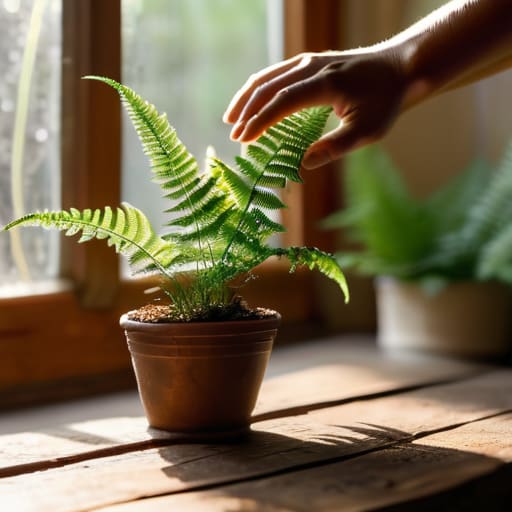
Most people approach their plants like a nervous new server trying to remember a complex table order: they follow a rigid script because they’re terrified of getting it wrong. You see it every time—someone buying a beautiful fern and then sticking to a strict houseplant watering schedules routine, dousing it every Monday like it’s a clockwork appointment. But plants aren’t staff; they don’t run on a rota. They react to the air, the heat, and the light. If you water on a schedule rather than by feel, you aren’t caring for the plant; you’re just performing a ritual.
The real tragedy is that most beginners kill their greenery with kindness, drowning the roots in a desperate attempt to be “attentive.” It’s exactly like a kitchen that over-preps for a slow Tuesday; you end up with a mountain of wasted inventory and a mess that’s hard to clean up. If your indoor plant soil requirements aren’t being met—specifically, if that soil stays sodden because you’re watering out of habit—you’re essentially inviting root rot to the party. You have to learn to read the room, or in this case, the leaves, before you reach for the watering can.
The High Price of Ignoring Indoor Plant Humidity Levels
In my old dining room, if the air was too dry, the bread turned into croutons before it even hit the table. Plants are no different. You can follow your houseplant watering schedules to the letter, giving them exactly what they ask for, but if the air is parched, they’ll still wither right under your nose. Most people think a yellowing leaf is a sign of thirst, but more often than not, it’s a sign that the air is sucking the life out of them. It’s a subtle, slow-motion tragedy that most beginners mistake for a lack of love.
When you neglect indoor plant humidity levels, you aren’t just making them uncomfortable; you’re essentially rolling out the red carpet for trouble. Dry air weakens the plant’s natural defenses, making it a sitting duck for common houseplant pests like spider mites, who thrive in those dusty, stagnant conditions. It’s much like running a kitchen with a faulty ventilation system—you might think you’re managing, but eventually, the environment itself starts working against you, and no amount of expensive fertilizer can fix a climate that’s fundamentally broken.
The Invisible Prep Work: Five Realities of Keeping Things Alive
- Stop treating your plant care like a set menu; you can’t just follow a recipe and expect perfection because every room has its own microclimate, much like how a kitchen’s heat changes depending on whether the grill is on or not.
- Lighting isn’t a suggestion, it’s your primary ingredient—if you put a shade-loving fern in a south-facing window, you aren’t “testing its resilience,” you’re essentially asking a commis chef to run a dinner service in a dark cellar.
- The pot is your kitchen’s mise en place; if you don’t have drainage, you’re basically trying to cook a delicate risotto in a pot with no lid, and you’re going to end up with a soggy, unmanageable mess.
- Don’t get seduced by the fancy ceramic pots that look lovely on a shelf; if they don’t let the roots breathe, you’re just buying a very expensive, very beautiful coffin for your greenery.
- Learn to read the “service” of the plant itself—the slight wilt, the yellowing leaf, the drooping stem—because by the time a plant actually looks dead, you’ve already missed the warning signs that a good head chef would have spotted mid-service.
The Real Cost of a Living Room
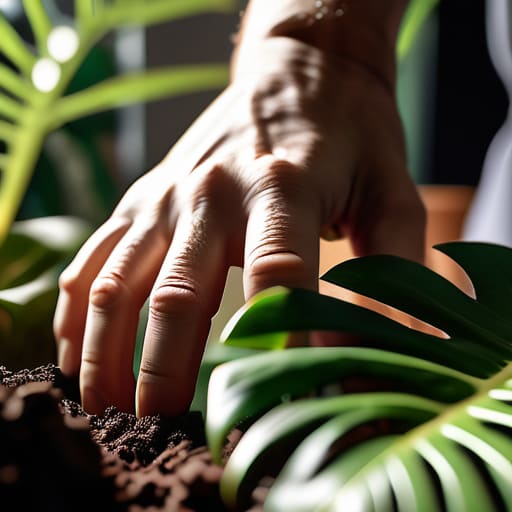
At the end of the day, keeping a plant alive is less about following a rigid manual and more about managing the unseen overheads of your home. You can’t just set a timer for the water and walk away, just like you can’t run a kitchen on autopilot and expect the sauce not to break. You have to watch the light, respect the humidity, and realize that every leaf is a tiny, living ledger of how well you’ve managed the environment. If you ignore the subtle shifts in the air or the way the soil feels against your knuckle, you aren’t just losing a decoration; you are failing the tiny ecosystem you promised to maintain.
Don’t let a few yellowing leaves make you think you’re a failure. In my old dining room, I learned that even the best service has a bad night, and the key isn’t perfection—it’s the ability to adjust when things go sideways. Gardening, much like hospitality, is a practice of observation. You will kill things; I certainly did more than once when I was starting out. But if you keep showing up, keep paying attention to the small details, and stop treating your plants like static furniture, you’ll find that the reward is worth every bit of the effort.
