 Written by
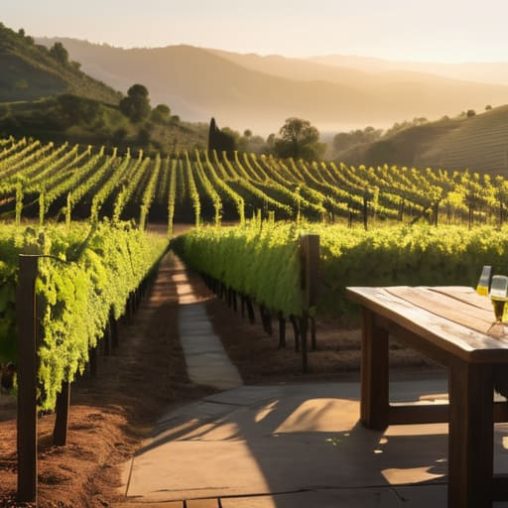
I spent thirty years watching people walk into my dining room expecting magic, but most of the “luxury” vineyard tours I’ve encountered lately feel like they’re selling nothing but expensive air and staged scenery. There is a pervasive, polished myth that knowing how to visit a vineyard requires a certain pedigree or a massive credit limit, as if the soul of the wine is hidden behind a velvet rope. I’ve sat in tasting rooms where the staff was so busy performing “hospitality” that they forgot to actually tell you anything about the soil, the harvest, or why that specific vintage cost more than my first car. It’s all performative elegance and very little substance.
I’m not here to give you a brochure of the most Instagrammable slopes; I’m here to tell you how to actually see the work. I want to show you how to spot a cellar that’s actually being managed, how to respect the staff who are likely working a grueling seasonal shift, and how to navigate a tasting without feeling like a tourist in a museum. This is about the real mechanics of the estate—the labor, the logistics, and the truth behind the label.
Winery Reservation Tips Why Spontaneity Is a Luxury You Cant Afford
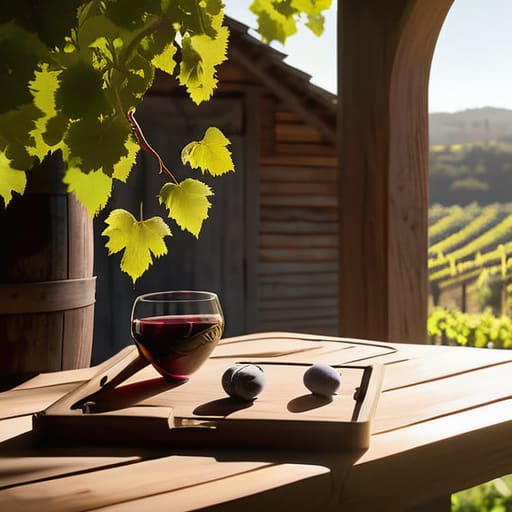
I’ve spent three decades watching people walk into my dining room with an air of entitlement, expecting the world to stop turning just because they’ve arrived. You’ll find the same attitude at a cellar door. People think a vineyard is just a scenic backdrop for a photo, but it is a working farm with a very tight schedule. If you haven’t booked, you aren’t being “spontaneous”—you are being a burden. When you show up without a slot, you aren’t just risking a long wait; you are forcing a tasting room manager to decide between turning you away or pulling a staff member off a crucial task like inventory or cellar maintenance.
Effective winery reservation tips usually boil down to one thing: respect the labor. If you want the real experience, skip the weekend rush and aim for mid-week visits. This is the best time for vineyard tours if you actually want to talk to someone who knows the soil, rather than a seasonal worker reading from a script. When you book in advance, you allow them to prepare the right amount of staff and, more importantly, the right amount of wine. A well-timed reservation ensures that your wine tasting flight guide actually includes the vintages you want, rather than just whatever is left in the bottom of the barrel.
Vineyard Tour Preparation Respecting the Labor Behind the Label
When you book a tour, you aren’t just buying a slot on a calendar; you are stepping into someone’s workspace. I spent decades managing a dining room, and I can tell you that nothing ruins a staff member’s morale faster than a group that treats a working estate like a theme park. Proper vineyard tour preparation means understanding that the people showing you the vines are likely the same people who spent six hours in the mud this morning or are currently balancing the books in a cramped office. If you arrive expecting a performance rather than an education, you’ve already missed the point.
Don’t be the person who asks for a “quick tasting” while the cellar master is mid-inventory or during the frantic rush of the best time for vineyard tours. Part of decent wine tasting etiquette is recognizing the rhythm of the house. If the staff looks harried, it’s because they are. Respect the silence of the cellar and the labor of the hands that pruned those vines. When you approach a tasting with an eye toward the work rather than just the indulgence, you’ll find the hospitality is much more genuine.
The Realities of the Tasting Room: What They Don't Put on the Brochure
- Pack your stomach for more than just grapes. Most people think a vineyard visit is a light, breezy affair, but if you’re doing a flight of high-acid whites or heavy tannins, you need actual food in your system. Showing up on an empty stomach doesn’t make you a connoisseur; it just makes you a liability to the staff who have to deal with a wobbling guest by 2:00 PM.
- Understand the math of the tasting fee. When you see a $30 tasting fee, don’t grumble about the “entry price.” That money isn’t just paying for a poured glass; it’s covering the wages of the person standing there, the electricity in the cellar, and the overhead of a building that likely costs more to maintain than you realize. If you aren’t planning to buy a bottle or two, be prepared to feel the weight of that cost.
- Respect the “bottle purchase” unspoken rule. While not every cellar is a retail shop, many small, family-run estates rely heavily on tasting room sales to keep the lights on between harvests. If you spend an hour taking up a table and drinking their best vintages without even looking at the price list, you aren’t just a customer; you’re a drain on their margins.
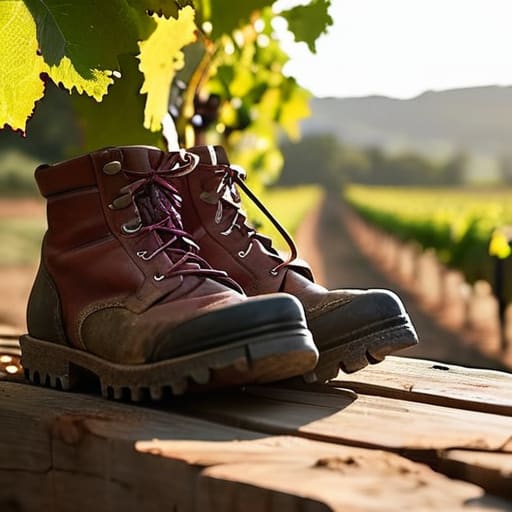
- Dress for the terrain, not the Instagram feed. I’ve seen too many people show up in designer heels or stiff suede loafers only to spend the entire tour hobbling through gravel paths and uneven dirt. A vineyard is a working farm, not a ballroom. If you can’t walk comfortably, you’re going to be a distraction to the guide and a headache for the staff trying to move you along.
- Learn the art of the quiet question. The person pouring your wine is often the one who knows the most about the soil, the weather, and the struggle of the last vintage. Don’t bark orders or demand a lecture on every single grape; instead, ask something specific. They’ll give you much better information—and perhaps a better pour—if they feel you’re actually interested in the craft rather than just the alcohol content.
The Real Cost of the Pour: Three Things to Remember Before You Visit
Understand that you aren’t just paying for the liquid in the glass; you are paying for the maintenance of the land, the specialized knowledge of the cellar master, and the fragile economics of a seasonal business.
Respect the staff’s boundaries by remembering that a tasting room is a place of work, not a playground; if the winemaker looks harried, it’s because they are managing a production cycle, not just playing host.
Don’t let your expectations of “luxury” blind you to the reality of the operation; a small, family-run vineyard doesn’t have the staffing levels of a corporate hotel, and they shouldn’t be expected to perform magic on demand.
The Hidden Cost of the Tasting Room
When you walk into a tasting room, don’t just look at the bottle; look at the person behind the counter. They aren’t just pouring fermented grape juice for your amusement—they are managing a delicate inventory, balancing a razor-thin margin, and trying to make sure the one person who didn’t book a slot doesn’t derail the entire afternoon’s labor. A vineyard isn’t a playground; it’s a production facility that happens to have a very beautiful view.
Rosalind Achterberg
The Bottom Line
At the end of the day, visiting a vineyard isn’t about checking a box on a travel itinerary or hunting for the most “Instagrammable” view of the rolling hills. It is about recognizing that you are entering a workspace that relies on a delicate, often exhausting, balance of seasonal labor and precise timing. If you remember to book your slot, show up with a genuine respect for the staff’s schedule, and understand that the price on that tasting menu covers more than just the liquid in your glass, you’ve already done more than most. When you approach a winery with the mindset that you are a guest in someone’s livelihood rather than just a consumer, the entire experience shifts from a mere transaction to something far more meaningful.
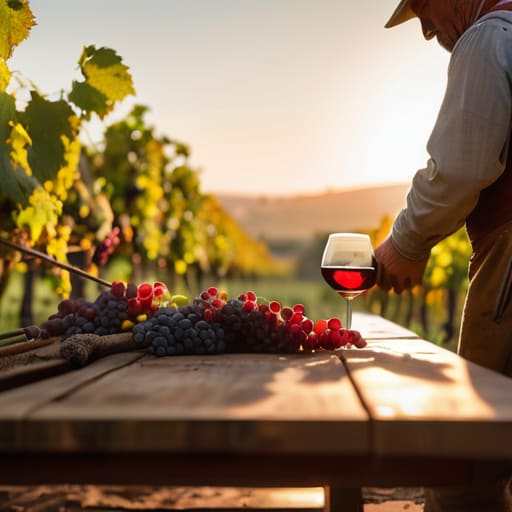
I spent nearly three decades managing the chaos of a dining room, and I can tell you that the best guests are the ones who see the people behind the curtain. When you finally sit down, perhaps with a glass of something that tastes of sun and soil, try to look past the label. Look at the dirt under the fingernails of the person pouring your wine and the meticulous care taken to keep that cellar running through a harsh winter. If you can connect with the human effort required to bottle a single vintage, you won’t just leave with a souvenir; you’ll leave with a profound appreciation for the craft. That is the only way to truly taste the wine.
Frequently Asked Questions
Is it actually worth paying for a formal tasting flight, or am I better off just buying a bottle and sitting in the sun?
Look, if you just want to drink, buy the bottle and find a patch of grass. But if you’re paying for the flight, you’re paying for the education, not just the liquid. A flight is a structured lesson; it’s the winemaker or the cellar hand giving you their time—which is their most expensive commodity. Don’t waste that opportunity by scrolling on your phone. Pay for the flight to learn, then buy the bottle to remember.
How much of a "tip" is expected when the person pouring the wine is also the one who spent the morning pruning the vines?
Look, I’m not telling you to tip a percentage of your soul, but let’s be realistic. When the person pouring your Syrah is the same person who spent six a.m. in the mud pruning vines, you aren’t just paying for a pour; you’re paying for their physical exhaustion. If the service is good, 15 to 20% is standard. Don’t haggle over a few dollars when you know exactly how much sweat went into that bottle.
What is the real etiquette for bringing my own bottle to a vineyard restaurant without looking like a cheapskate?
Look, if you’re planning to bring a bottle, don’t just pull it from your coat like you’re hiding contraband. Call ahead. Ask about their corkage fee—and don’t grumble when they name a price; that fee covers the glass, the stemware, the labor of the server, and the fact that they aren’t making a cent on that pour. If you bring a rare vintage, tell them. It’s a gesture of respect, not a way to dodge the bill.
