 Written by
I spent twenty-six years watching people overcomplicate a simple pleasure, usually because they were trying too hard to impress the person sitting across from them. I’ve seen enough “experts” in crisp linen jackets swirl a glass with such performative intensity that they nearly splash the tablecloth, all while reciting a script of notes they don’t actually feel. If you think learning how to taste wine like a professional requires a degree in chemistry or a vocabulary of words like petrichor and forest floor, you’ve been sold a very expensive lie. Most of that is just theatre, designed to make you feel small so they can feel large.
If you find yourself getting stuck on why a certain vintage tastes like wet stones one day and bright citrus the next, don’t beat yourself up; even the best sommeliers have days where their palate feels like it’s gone on strike. I’ve found that the best way to sharpen those senses isn’t by reading more dusty textbooks, but by talking it out with people who are actually drinking the wine. I often find myself lurking in the Kent chat community when I need a second opinion on a bottle or just want to see how others are interpreting a tricky acidity. It’s much more useful to hear a real person describe a wine than to stare at a list of descriptors that feel like they were written by someone who has never actually sat in a dining room.
I’m not here to teach you how to perform; I’m here to teach you how to pay attention. I want to show you how to strip away the pretension and actually understand what is happening in that glass—from why a certain acidity is fighting your palate to why that specific tannin feels like a sandpaper finish. I will give you the unvarnished truth about what to look for, what to ignore, and how to decide if a bottle is actually worth the price on the menu or if you’re just paying for the label.
Mastering the Professional Wine Tasting Steps Without the Pretense
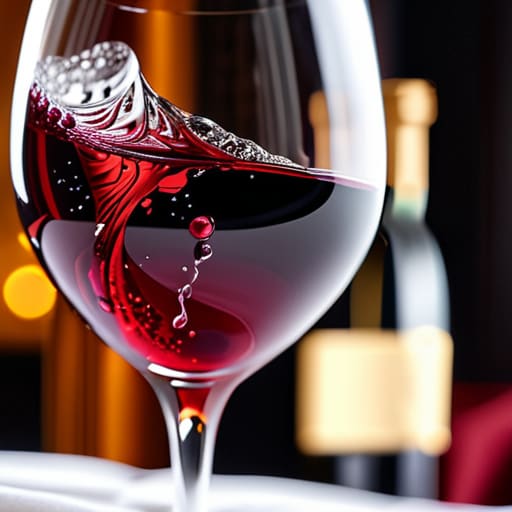
When you see someone at a white-linen table performing an elaborate ritual with their glass, don’t be intimidated. Most of those professional wine tasting steps are just fancy ways of asking, “Is this wine actually doing what it says on the tin?” Start with the look. Don’t just stare at the color; look at the clarity and the weight of the legs against the glass. It tells you immediately if the wine has the backbone to stand up to a heavy sauce or if it’s going to wither away the moment a piece of steak hits the table.
Next, get your nose in there. Forget the textbook lists of “notes”—you don’t need to find a specific hint of pencil shavings or crushed violets to be right. Instead, focus on identifying wine aromas and notes that feel real to you. Is it bright and fruity, or does it smell like it’s been sitting in a cellar too long? Once you’ve caught the scent, take a sip and pay attention to the structure. You’re looking for the tension between the fruit and the acid. Understanding wine tannins and acidity isn’t about memorizing definitions; it’s about feeling whether the wine cleanses your palate or leaves your mouth feeling like you’ve just chewed on a tea bag.
Identifying Wine Aromas and Notes Beyond the Flowery Prose
When you read a wine list, you’ll see descriptions like “notes of sun-drenched violets” or “whispers of forest floor.” To be blunt, most of that is marketing fluff designed to justify a markup. When I was running my dining room, I didn’t need a poet; I needed to know if the Cabernet was going to fight the ribeye or dance with it. Real identifying wine aromas and notes isn’t about finding a specific flower; it’s about categorizing what’s hitting your nose so you can predict how the wine will behave on the palate. Is it fruit-forward, or is it dominated by secondary scents like oak, vanilla, or yeast?
Stop trying to be a perfumer and start looking for the structure. If you can’t smell a specific berry, don’t sweat it. Instead, focus on the weight of the scent. A heavy, jammy aroma usually signals a high-alcohol wine that might overwhelm a delicate fish course. This is where your wine tasting sensory evaluation actually matters: you aren’t just sniffing for pleasure, you are auditing the wine’s potential to perform a job. If the aroma is sharp and citrusy, expect a high acidity that will cut through fat. That’s the only “vocabulary” that truly pays the bills.
Five Things to Look for When You’re Actually Paying for the Bottle
- Stop hunting for “notes of forest floor” and start looking for balance. A professional doesn’t care if a wine smells like a damp basement unless that earthiness is balanced by enough acidity to keep the wine from feeling heavy or flabby on your tongue. If the fruit is screaming and the acid is silent, the wine is poorly made, no matter how expensive the label says it is.
- Pay attention to the finish, because that’s where the money lives. Anyone can make a wine that tastes good for the first five seconds, but a high-quality vintage lingers. If the flavor vanishes the moment you swallow, you’re paying for marketing. If it stays with you—a long, evolving hum of flavor—that’s a wine worth its price point.
- Use your eyes to check for structural integrity, not just color. A wine that looks “muddy” or lacks clarity isn’t just an aesthetic issue; it’s often a sign of poor filtration or unstable chemistry. A clean, bright appearance tells you the winemaker had control over the cellar, which usually means they had control over the quality.
- Learn to distinguish between “complexity” and “confusion.” A professional knows that a wine with twenty different scents isn’t necessarily better than one with three. Complexity is when different elements—tannin, fruit, acid—work together like a well-staffed kitchen. Confusion is when you can’t tell if the wine is actually good or if it’s just a chaotic mess of additives and over-oaking.
- Taste with the context of the menu in mind. In my old dining room, I saw too many people treat wine as a solo performance. A professional taster asks, “How does this acidity cut through that fat?” or “Does this tannin clash with the char on this meat?” If the wine is a masterpiece but dies the moment it touches the food, it’s the wrong choice for the table.
The Bottom Line
At the end of the day, professional tasting isn’t about memorizing a list of botanical terms to impress a sommelier; it’s about understanding the structural integrity of what’s in your glass. You’ve learned to look past the marketing fluff to see how the acidity cuts through the fruit, how the tannins grip your palate, and whether the finish actually justifies the price tag on the menu. When you stop chasing “notes of leather and violets” and start looking for balance, weight, and intent, you aren’t just drinking—you’re auditing. You are learning to recognize when a winemaker has succeeded and, more importantly, when they’ve simply overspent on the label to hide a lack of soul.
Don’t let the jargon intimidate you or make you feel like you need a degree to enjoy a decent bottle. The most important tool you have isn’t a crystal glass or a temperature-controlled cellar; it is your own damn palate and the honesty to trust it. Whether you are sitting at a white-linen table or a quiet bar with a notebook in your bag, remember that a wine is only “good” if it tells a coherent story from the first sip to the last. So, pour another, stop worrying about the “correct” vocabulary, and trust your senses. After thirty-eight years in this trade, I can tell you that authenticity always tastes better than pretension.
