
 Written by
I’ve sat through enough industry seminars to know that when someone starts talking about a “complete guide to sustainability in restaurants,” they’re usually about to sell you a very expensive, very glossy dream. They’ll talk about bamboo straws and compostable takeaway boxes as if those things will save your margins, when the real truth is much grittier. Most of this “green” advice is just performative window dressing designed to make a dining room look good on Instagram, while the actual waste—the half-used crates of wilted herbs and the literal mountains of food being tossed at 11:00 PM—continues to bleed your bank account dry.
I’m not here to lecture you on saving the planet from a pedestal; I’m here to talk about how to save your business by actually being sensible. This isn’t a collection of lofty ideals, but a hard-won look at how to manage your stock, your staff, and your scraps without going broke in the process. I will show you why true sustainability is found in the precision of your ordering and the discipline of your prep list, rather than in a recycled paper menu.
The Real Math Behind a Sustainable Food Supply Chain
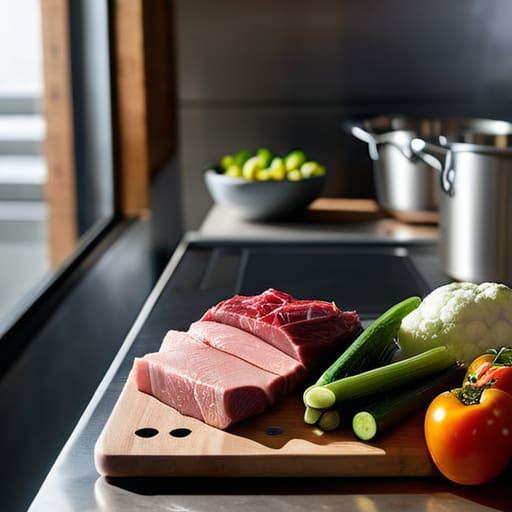
When people talk about a sustainable food supply chain, they usually picture a farmer with a sun hat and a basket of heirloom tomatoes. That’s a lovely image, but in a real kitchen, sustainability is a matter of logistics and math. It’s the difference between ordering a whole side of beef because the price per kilo looks attractive, or ordering smaller, more frequent cuts that actually match your covers. If you buy too much just to save a few pence on the invoice, you aren’t being “green”—you’re just creating waste that will eventually end up in a bin, taking your profit margin with it.
True sustainability is about tightening the screws on your ordering. I used to spend my Monday mornings staring at spreadsheets, realizing that a more local, slightly more expensive supplier was actually cheaper in the long run because they didn’t require me to hold massive, rotting inventories. It’s about reducing restaurant food waste by matching your prep to your actual demand, not your ego. You don’t need a twenty-page manifesto on eco-friendly restaurant operations; you need a sharp pencil and a supplier who understands that if they deliver a crate of bruised spinach, it’s not just a bad product—it’s a direct hit to your bottom line.
Why Reducing Restaurant Food Waste Saves Your Bottom Line

Let’s stop pretending that throwing away half a crate of wilted coriander is just a “sad part of the job.” In my sixteen-cover room, every time a prep cook over-peeled a carrot or a chef misread a prep list, I didn’t just see wasted food; I saw my profit margin being scraped into the bin. Reducing restaurant food waste isn’t some lofty moral crusade; it’s about realizing that your bin is essentially a hole in your bank account. When you tighten your inventory and get disciplined about portion control, you aren’t just being “green”—you’re stopping the bleed.
True sustainable restaurant management practices start with looking at your waste logs, not your mission statement. If you’re paying a premium for organic heirloom tomatoes only to toss them because your ordering was sloppy, you’ve failed the math. It’s about the small, unglamorous wins: using vegetable scraps for stocks, mastering the art of the “special” to move aging stock, and ensuring your team understands that every gram of protein has a price tag attached to it.
Five Ways to Stop Bleeding Money and Start Being Sustainable
- Stop chasing the “local” label like it’s a trophy and start looking at your delivery schedules; if you’re paying a premium for organic carrots but having them trucked in three times a week, you aren’t being sustainable, you’re just being expensive.
- Audit your prep stations with a cold eye, because “sustainability” in a kitchen isn’t a philosophy, it’s the discipline of using those leek tops for a stock rather than tossing them in the bin and paying a waste contractor to haul them away.
- Simplify your menu to favor seasonal rhythms, because trying to serve asparagus in December is a fool’s errand that forces you to choose between astronomical food costs or a carbon footprint that would make a pilot blush.
- Train your front-of-house staff to understand that “eco-friendly” isn’t just a buzzword for the menu, but a way to manage guest expectations—like knowing when to suggest a smaller portion or why you don’t offer a plastic straw to someone who hasn’t even asked for one.
- Look at your energy use through the lens of a spreadsheet, not a sermon; turning off the heavy equipment when the dining room is empty isn’t just good for the planet, it’s the only way to keep your utility bills from swallowing your entire profit margin.
The Hard Truths to Carry to Your Next Service
Sustainability isn’t a luxury line item for your marketing brochure; it is a rigorous discipline of inventory control that dictates whether you actually turn a profit at the end of the month.
Stop chasing every seasonal trend that arrives on a plane; true sustainability is found in the reliability of your local suppliers and the courage to keep your menu short enough to actually use what you buy.
Every ounce of food tossed in the bin is a direct theft from your staff’s wages and your own retirement fund, making waste management the most effective way to protect your margins.
The Myth of the Green Sticker
Sustainability isn’t about buying a fancy organic certification or putting a little leaf icon next to the heirloom carrots on your menu; it’s about the discipline of knowing exactly how many grams of trim you’re throwing in the bin at 11:00 PM, and realizing that every ounce of wasted produce is just profit you’ve decided to toss into the skip.
Rosalind Achterberg
The Long Game
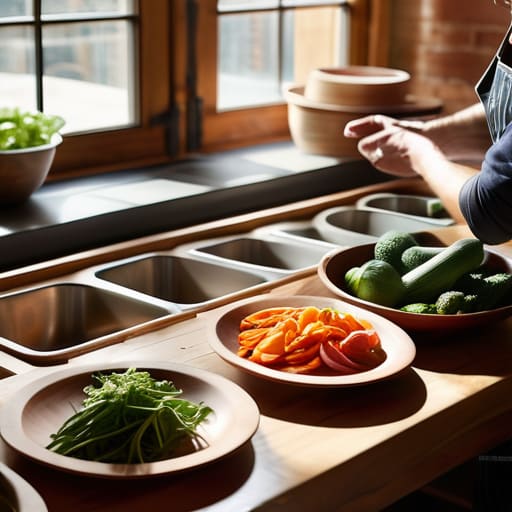
At the end of the day, sustainability isn’t some lofty, abstract concept you chase to win a local award; it is the discipline of knowing exactly where your money is going. We’ve talked about the math of the supply chain, the brutal necessity of cutting waste to protect your margins, and why choosing the right producer matters more than a fancy label. It comes down to the reality that every decision—from the size of your menu to the way you manage your prep list—is either plugging a leak in your boat or letting the water in. You don’t achieve a sustainable kitchen by doing everything perfectly overnight; you do it by making sure your operational costs and your ethical choices are finally speaking the same language.
I spent twenty-six years watching the seasons change through a kitchen window, and if there is one thing I learned, it’s that the most resilient restaurants are the ones that respect their limits. You cannot feed the world if you cannot feed your staff, and you cannot protect the planet if you cannot protect your own livelihood. Sustainability is simply the art of staying in business without losing your soul or your shirt in the process. It is hard, exhausting work, but it is the only way to build something that actually lasts. So, stop looking for the magic bullet and just start looking at your invoices; that’s where the real revolution begins.
Frequently Asked Questions
If I switch to a local supplier to cut down on food miles, how do I stop my food cost percentage from skyrocketing when their prices aren't as stable as the big distributors?
You can’t fight the seasons, so stop trying to. If you try to run a fixed menu with a local supplier, you’re asking for a mathematical heart attack. When the frost hits and the price of kale triples, you don’t fight the invoice; you change the dish. Use a “market menu” approach. It gives you the freedom to swap ingredients based on what’s actually available and affordable that morning, keeping your margins steady even when the weather isn’t.
Everyone talks about composting and zero-waste, but how do I actually manage the extra labor and the smell in a tiny kitchen without driving my staff to quit?
Listen, if you try to turn a sixteen-cover kitchen into a science experiment, you’ll lose your best prep cook by Friday. Composting only works if it’s part of the flow, not an extra chore. Keep your bins small, sealed, and—this is vital—out of the main prep area. If the smell hits the pass, the food tastes like rot to your guests. Assign one specific, five-minute window for waste management. Don’t make it a “project”; make it a standard operating procedure.
Is "sustainable" just a fancy word for more expensive ingredients, or is there a way to build a menu that actually respects the planet without forcing me to charge fifty pounds for a starter?
It’s a common trap, thinking sustainability is a luxury add-on. If you’re only buying “eco-certified” labels at a premium, you’re just subsidizing a trend. Real sustainability is about intelligence, not just an expensive invoice. It’s about knowing your supplier so well you can buy their “ugly” produce at a discount, or designing a menu that uses the whole animal so nothing hits the bin. It’s not about the price of the ingredient; it’s about the efficiency of the use.
