
 Written by
Everyone wants to talk to you about the heavy linen napkins, the bespoke hand-lettered menus, and the exact shade of candlelight required to make a corporate takeover feel like a gala. They treat it like a stage production, but if you’re actually trying to learn how to run a private dining event without losing your shirt, you need to stop looking at the centerpiece and start looking at the labor cost. I remember a Tuesday night in my old sixteen-cover room when a “private” party of twelve arrived, and because the owner had obsessed over the floral arrangements but forgotten to account for the extra hands needed to clear a table that size, my lone server ended up in tears by the third course.
I am not here to sell you on the glamour of hospitality; I am here to talk about the math and the mechanics. In the pages ahead, I’m going to show you the real blueprint for success—the kind that focuses on predictable margins, seamless service flow, and why your deposit policy is actually your best friend. We aren’t going to chase the hype; we are going to ensure that when those doors close, your business remains profitable and your staff remains sane.
Event Budget Allocation Where Your Profits Actually Go

When people sit down to draft an event budget allocation, they usually start with the “dream” numbers: the linen, the floral arrangements, and the premium vintage of wine. They treat the budget like a wishlist. But if you’ve ever stood in a walk-in fridge at 11:00 PM staring at a stack of invoices, you know that the real money is swallowed by the things guests never see. You aren’t just paying for the ingredients; you are paying for the invisible logistics—the extra hands needed for seamless catering service coordination, the specialized cleaning for delicate glassware, and the inevitable wastage that occurs when a guest list isn’t managed with surgical precision.
Don’t make the amateur mistake of over-investing in the “wow” factor while starving your labor budget. I’ve seen beautiful, bespoke dining experiences fall apart because the owner skimped on the staff ratio. If you have twelve guests but only two servers, those twelve people will feel ignored, and your reputation will take the hit. A successful event isn’t built on the centerpiece; it’s built on having enough margin to cover the staff who actually make the magic happen.
Venue Booking Requirements and the Real Cost of Space
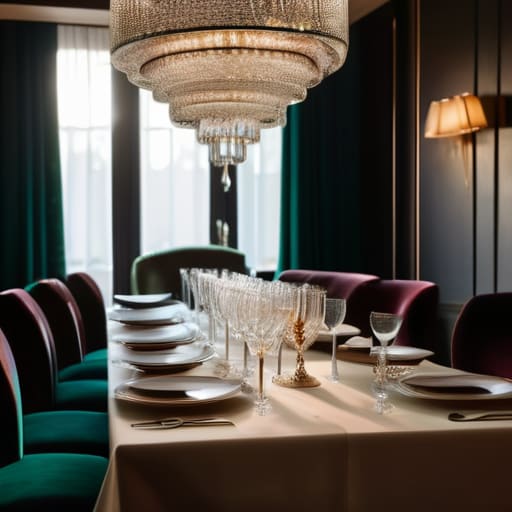
When people look at a brochure for a private room, they see velvet banquettes and ambient lighting; I see square footage that isn’t earning a cent unless a guest is sitting in it. The biggest mistake I see young owners make is treating a room like a static asset. It isn’t. Every hour that space sits empty is a hole in your pocket. When you’re reviewing venue booking requirements, don’t just look at the minimum spend—look at the opportunity cost. If a group of twelve books your largest room on a Friday night, but they only hit a modest minimum, you might actually be losing money by turning away three separate tables of four who would have ordered that third bottle of Chablis.
You also have to account for the invisible friction of a closed room. Once you pull that curtain or lock that door, you’ve effectively removed a chunk of your floor plan from the general public. This is where your event planning checklist needs to get ruthless about staffing. You aren’t just paying for the food; you are paying for the dedicated attention that bespoke dining experiences demand. If you don’t budget for a server who can pivot from a high-stakes corporate presentation to a celebratory birthday without breaking a sweat, your “exclusive” room will feel like a glorified cafeteria.
The Small Details That Break a Service (And How to Keep Them From Breaking You)
- Stop obsessing over the centerpiece and start obsessing over the floor plan; if your private table is tucked so far into a corner that your best server can’t see the water glasses without walking a marathon, you aren’t hosting a dinner, you’re running a marathon you’ll lose by 9:00 PM.
- The menu is a contract, not a suggestion, so if you promise a “bespoke seasonal experience,” make sure your kitchen isn’t trying to prep three different complex sauces for a party of twelve at the same time the main dining room is hitting its peak rush.
- Your staff aren’t robots, and a private event is a pressure cooker; if you haven’t scheduled a specific, paid break for your lead server before the guests arrive, they will be flagging by the third course, and the guests will feel that exhaustion in every lukewarm wine pour.
- Learn to love the “Minimum Spend” conversation early and often, because nothing kills the mood of a beautiful event like a frantic, whispered argument about a bottle of champagne that wasn’t on the original invoice.
- The real magic of a private room happens in the silence between courses, so train your team that “good service” means knowing exactly when to vanish so the business deal or the family reunion can actually happen without a waiter hovering like a nervous ghost.
The Three Things You’ll Forget While You’re Polishing the Silver
Stop obsessing over the centerpiece and start auditing your labor; a private event isn’t just about the food on the plate, it’s about the extra two hours of prep and the inevitable overtime for the server who has to stay late to scrub the linen.
Your “minimum spend” is a shield, not a target; use it to protect your margins against the guest who wants a bespoke menu that requires three different prep cooks, because if you don’t set that floor, you’re just paying for the privilege of hosting them.
The real profit lives in the details you didn’t plan for, like the wine markup and the corkage fee, so don’t be afraid to be firm on your policies—they aren’t there to be difficult, they’re there to ensure you can afford to open the doors again tomorrow.
The Myth of the Minimum Spend
“Don’t let a client fool you with a ‘minimum spend’ agreement; that number isn’t a guarantee of profit, it’s just the baseline you need to clear before you even start paying for the extra hands in the kitchen and the inevitable broken glassware that comes with a party of twelve.”
Rosalind Achterberg
The Final Bill

At the end of the day, running a successful private event isn’t about having the most expensive linen or a menu that reads like a poem; it’s about the math you did months before the first guest arrived. You have to balance the razor-thin margins of the food cost against the reality of your staffing levels and the sheer physical toll of a high-pressure service. If you haven’t accounted for the unseen leakages—the broken glassware, the extra hour of overtime for the dishwasher, or the cost of a last-minute ingredient shortage—then you aren’t running an event, you’re running a charity. A private room is a powerful tool for a restaurant, but only if you treat it as the disciplined business venture it actually is.
I know it sounds cold to talk about spreadsheets when you should be thinking about the magic of a perfectly timed course, but believe me, the magic only happens when the books are balanced. When the lights go down and the last guest leaves, the real success isn’t just the praise from the host; it’s the quiet satisfaction of knowing your team was supported, your margins were protected, and your business is still standing to do it all again tomorrow. Don’t just aim to host a beautiful dinner; aim to build something sustainable that can survive the beautiful chaos of the trade.
Frequently Asked Questions
How do I decide on a minimum spend without scaring away the very clients I’m trying to attract?
Stop thinking of a minimum spend as a barrier and start seeing it as a way to protect your staff’s time. If you set it too low, you’re just subsidizing a group that eats your profit margin and exhausts your kitchen for a handful of covers. The trick is to offer tiered options: a lower spend with a restricted, high-margin set menu, or a higher spend for full a la carte freedom. You aren’t scaring them away; you’re just telling them exactly what kind of service they’re buying.
When does it become more profitable to hire a dedicated event coordinator versus having my floor manager juggle both roles?
You hire a coordinator when the mental load of the bookings starts breaking your floor manager. If your manager is so busy chasing deposits and confirming dietary requirements that they miss a dirty ramekin or a slow table on the floor, you aren’t saving money—you’re bleeding it through service failures. Once you hit three or four events a month, a dedicated person pays for themselves by protecting your reputation and letting your floor staff actually, well, manage the floor.
How do I handle the inevitable "special dietary requirement" that arrives ten minutes before the first course is due to hit the table?
You don’t “handle” it; you prepare for it. If a guest drops a nut allergy or a vegan requirement ten minutes before service, it’s usually because your booking form was either poorly designed or your front-of-house staff is too timid to ask the hard questions during the reservation. In a small room, a late dietary request isn’t just a kitchen hiccup—it’s a frantic scramble that risks the entire table’s timing. Get the info early, or pay the price in stress.
