 Written by
 I spent twenty-six years watching chefs try to hide a mediocre ingredient behind a mountain of foam, a smear of gel, and three different micro-greens that cost more to source than the protein itself. It’s a common delusion in this industry: the idea that complexity equals quality. People think they need a twelve-course tasting menu to feel they’ve had a “real” meal, but that’s usually just a way to mask a lack of confidence in the produce. If you want to learn how to appreciate simple cooking, you have to stop looking for the theater and start looking for the integrity of the plate. You don’t need a pipette or liquid nitrogen to tell you if a carrot has been treated with respect; you just need a palate that hasn’t been numbed by excessive salt and ego.
I’m not here to give you a list of trendy kitchen gadgets or tell you to buy expensive truffle oils. Instead, I’m going to pull back the curtain on what actually happens when a kitchen stops trying so hard. I’ll show you how to spot the difference between a dish that is “minimalist” by design and one that is simply lazy, and why the most expensive meals often fail the simplest tests.
The Minimalist Culinary Philosophy of Doing Less
I’ve seen too many young chefs walk into a kitchen thinking that complexity is a substitute for competence. They think if they can layer twelve different emulsions and three types of foam onto a single plate, they’ve somehow outsmarted the diner. But in my sixteen-seat room, I learned that a sprawling menu is often just a mask for a lack of confidence. When you commit to a minimalist culinary philosophy, you stop hiding behind technique and start relying on the integrity of what’s actually on the plate.
The truth is, every extra ingredient you add is another opportunity for something to go wrong. It’s another line item on the invoice, another minute of prep for a tired commis, and another chance to muddle the actual flavor profile enhancement you were aiming for in the first place. When you focus on quality over quantity ingredients, you aren’t being lazy; you are being disciplined. You are betting that a single, perfectly seasoned piece of sea bass and a handful of rightly sourced greens can stand up to the scrutiny of a paying guest without needing a theatrical garnish to save it.
Why Quality Over Quantity Ingredients Change Everything
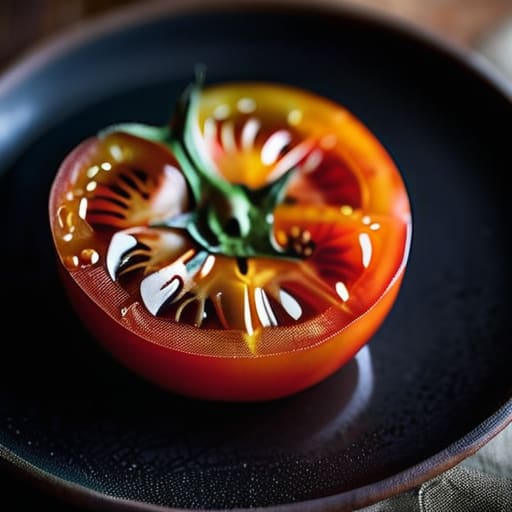
When I ran my sixteen-cover room, my biggest headache wasn’t the cooking; it was the invoice. I learned the hard way that if you try to buy everything, you end up with nothing worth serving. People think a massive pantry is a sign of a prepared chef, but it’s usually just a sign of a messy balance sheet. The real secret to a successful service is quality over quantity ingredients. If you’re working with a tomato that actually tastes like the sun, you don’t need to drown it in balsamic glaze and truffle oil to hide the fact that it’s bland. You just need salt, fat, and a bit of heat.
In a small kitchen, reducing kitchen complexity is a survival tactic, not just a stylistic choice. When you stop trying to source twenty different exotic spices and instead focus on the seasonal produce benefits of what’s actually growing nearby, the food begins to breathe. You aren’t fighting the ingredients anymore; you’re just getting out of their way. That’s when you see the real magic happen—when the ingredient does the heavy lifting and the cook simply provides the stage.
Five Ways to Actually Taste What’s on Your Plate
- Stop looking for the garnish. If you’re spending your meal hunting for a micro-herb or a smear of foam to justify the price, the kitchen has already lost. Real simple cooking is about the architecture of the main ingredient; if the beef is cooked right and the salt is correct, you don’t need a garnish to tell you it’s good.
- Pay attention to the temperature of the service, not just the food. In my old dining room, a dish could be technically perfect, but if it arrived lukewarm because the pass was cluttered, the soul of the meal was gone. Simple food has nowhere to hide—it needs to hit your palate at the exact moment the chef intended.
- Listen to the silence of the seasoning. A common mistake I saw young chefs make was thinking “more” meant “better.” They’d drown a beautiful piece of sea bass in a heavy reduction just to prove they could cook. To appreciate simple food, you have to learn to recognize when a chef has had the discipline to use just enough salt and acid to wake the ingredient up, rather than bury it.
- Notice the texture, not just the flavor. When a menu is stripped back, the tactile experience becomes the star. Is the crust on that roast potato truly crisp, or is it just oily? Is the vegetable tender or has it been boiled into submission? Simple cooking relies on the integrity of texture to provide the complexity that a sauce usually masks.
- Watch how the staff moves around the table. This sounds like it’s about service, but it’s actually about the rhythm of the meal. A kitchen that excels at simple food usually runs with a quiet, disciplined efficiency. If the food is minimal but the service is frantic and loud, the “simplicity” is likely a mask for a lack of control behind the scenes.
What to Look For When the Menu Gets Smaller
Watch the waste, not the variety; a tight menu means the chef is betting their entire margin on a handful of ingredients, so if those ingredients aren’t singing, the whole business is in trouble.
Look for the “invisible” labor, because true simplicity isn’t easy—it’s actually much harder to execute a perfect roast chicken than it is to hide a mediocre one under a mountain of complicated sauces.
Value the confidence of the restraint, knowing that when a kitchen stops trying to impress you with sheer volume, they are finally giving you the space to actually taste the food.
The Bravery of a Small Menu
When you see a menu with only five or six things on it, don’t mistake that for laziness; it’s actually a terrifying act of accountability. In a big kitchen, you can hide a mediocre sauce behind a mountain of garnishes, but when you’re doing less, there is nowhere for a mistake to crawl into. You aren’t just paying for the ingredients; you’re paying for the chef’s courage to stand there without any place to hide.
Rosalind Achterberg
The Bottom Line of the Plate
At the end of the day, appreciating simple cooking isn’t about being a culinary minimalist for the sake of a trend; it’s about recognizing the discipline required to get it right. We’ve looked at why a shorter menu is often a sign of a kitchen that actually knows its margins and its limits, and why a single, high-quality ingredient carries more weight than a dozen mediocre ones buried under a heavy sauce. When you strip away the garnishes and the performative plating, you are left with the raw truth of the kitchen. You realize that simplicity isn’t a lack of effort—it is the ultimate form of accountability, where there is nowhere for a chef to hide a mistake.
So, the next time you sit down at a table and see a menu that doesn’t try to be everything to everyone, don’t mistake that restraint for a lack of ambition. Instead, look for the confidence in that brevity. Whether you are dining out or standing in your own kitchen after a long shift, remember that the most profound meals are rarely the most complicated ones. True mastery lies in the ability to let the ingredients speak for themselves without shouting. If you can learn to find the beauty in a well-seasoned piece of fish or a perfectly ripe tomato, you will find that you aren’t just eating better—you are finally seeing the food for what it truly is.
Frequently Asked Questions
If a menu is stripped back to the essentials, how can I tell if the chef is actually confident or if they're just cutting corners to save on food waste?
Look at the prep. A chef cutting corners hides behind a frozen bag or a dull knife; a confident chef hides nothing. If the menu is small, every component must be flawless because there’s nowhere to retreat. Check the secondary ingredients—if the garnish is as well-handled as the protein, they aren’t saving money, they’re saving focus. Confidence is having the nerve to serve three things when you know you can make them perfect.
When dining out, what are the subtle signs that a kitchen is actually sourcing high-quality ingredients versus just using a fancy name to justify a higher price tag?
Look at the menu’s limitations. If they’re claiming “line-caught” sea bass but serving it with twelve different garnishes, they’re hiding something. High-quality ingredients don’t need a costume. Watch the plate: is the vegetable slightly irregular in shape? Is the sauce translucent rather than thick and gloopy? If the chef is confident enough to let a piece of protein stand alone with just salt and oil, they aren’t lying to you.
How do I balance the desire for a simple, focused meal with the practical reality of a restaurant's bottom line—is a smaller menu a sign of culinary bravery or just a way to manage a thin staff?
It’s usually both, and that’s where the magic—and the math—happens. A tight menu is a chef’s bravest defense against waste; it means they know exactly how much sea bass to buy on a Tuesday to avoid throwing money in the bin on Wednesday. But let’s be honest: it’s also a survival tactic. A smaller menu keeps the prep list manageable for a tired kitchen and ensures your three staff members aren’t drowning.
