
 Written by
 I remember a rainy Tuesday in my old dining room, sitting there with a lukewarm glass of Chardonnay while watching a junior server try to “recover” a botched order by reciting a scripted apology he’d clearly memorized from a management manual. He looked like he was reading a death warrant, and the couple at table four looked like they wanted to vanish into the upholstery. Most people will try to sell you a complete guide to service recovery filled with lofty “hospitality philosophies” and expensive software solutions, but they’re missing the point entirely. You don’t need a flowchart to tell you that a cold risotto is a failure; you need the guts to face the person you’ve let down without hiding behind a corporate script.
I’m not here to give you a lecture on theoretical excellence or “customer delight” metrics that don’t pay the rent. Instead, I’m going to give you the unvarnished truth about what happens when the kitchen falls behind, the wine is corked, or the staff is stretched too thin. This is a guide built on thirty-eight years of seeing exactly how much a single mistake costs—not just in the price of a free dessert, but in the fragile trust of a regular who might never come back.
Recovering From Service Failures Without Bleeding Cash
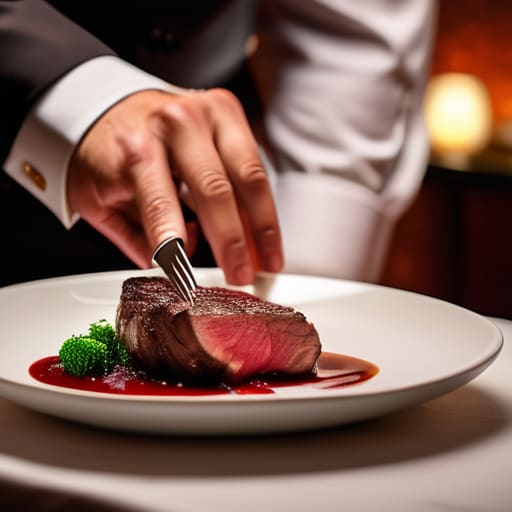
When a kitchen crashes or a bottle arrives corked, the instinct is to throw the whole menu at the table for free. I’ve seen young owners do this, and I’ve seen their profit margins vanish by Tuesday. You cannot fix a mistake by bleeding your bank account dry. Real customer experience management isn’t about being a doormat; it’s about calculated, surgical precision. If a steak is overcooked, you don’t necessarily need to comp the entire dinner—you replace the steak, you offer a round of drinks on the house, and you ensure that specific guest feels seen.
The goal is to trigger what the textbooks call the service recovery paradox, where a guest actually ends up more loyal to you because you fixed a problem than if everything had gone perfectly from the start. But you only get that chance if you act before they reach for the check. Effective apology techniques aren’t about groveling; they are about taking ownership without making excuses about the dishwasher being late or the supplier being short. A sincere, swift correction costs you a few pounds in food cost, but a guest walking out the door is a permanent hole in your pocket.
Effective Apology Techniques That Actually Save Your Reputation

The biggest mistake I see young managers make is treating an apology like a script they learned in a seminar. If you walk up to a table with a rehearsed, “I’m sorry for the inconvenience,” you might as well be reading a terms and conditions page. They can smell the lack of skin in the game from a mile away. Real effective apology techniques aren’t about the words; they are about the immediate surrender of ego. You have to own the error—not the kitchen’s error, not the server’s error, but your error. When you stand there and admit that you’ve dropped the ball, you stop being a faceless corporation and start being a human being who cares about their night.
This is where you find the magic of the service recovery paradox. If you handle a disaster with enough grace and genuine accountability, that guest often ends up more loyal than the person who had a perfectly seamless, boring meal. You aren’t just resolving customer grievances; you are proving that when things go wrong—and in this business, they always do—you won’t leave them hanging. A sincere, well-timed gesture, backed by an apology that actually listens, is what turns a critic into a regular.
Five Rules for When the Wheels Fall Off
- Empower your floor staff to act immediately without asking for permission. If a steak comes back gray and a waiter has to run to the back to ask me if they can comp a glass of wine, the momentum of the apology is dead. You need to give them the authority to fix it in the moment, or you’re just watching the guest’s resentment simmer.
- Listen to the silence, not just the shouting. The loudest customer is easy to spot, but the one who sits quietly, stops eating, and looks at their watch is the one who is truly gone. Service recovery isn’t just about managing a scene; it’s about noticing the subtle withdrawal of a guest who has decided they aren’t coming back.
- Stop the “Free Dessert” reflex. A slice of cheesecake doesn’t fix a forty-minute wait for a main course or a cold soup. Sometimes, the only real recovery is a sincere, eye-to-eye acknowledgment of the failure and a meaningful adjustment to the bill. Don’t try to bribe them into liking you; try to respect them enough to admit you failed.
- Use the mistake as a diagnostic tool, not a finger-pointing exercise. When a service failure happens, don’t just yell at the kitchen or blame the server. Ask if the ticket printer jammed, if the prep list was wrong, or if the floor was understaffed. If you don’t fix the system that allowed the mistake, you’re just waiting for it to happen again next Tuesday.
- Close the loop before they walk out the door. The most dangerous time for a restaurant is the walk from the table to the host stand. If you haven’t addressed the issue and ensured the guest feels heard before they hit the pavement, you haven’t recovered anything—you’ve just delayed the bad review.
The Bottom Line on Getting it Right
Stop thinking of service recovery as a cost center and start seeing it as a retention strategy; it is significantly cheaper to give away a free dessert to a disappointed regular than it is to spend money on marketing to find their replacement.
An apology only works if it is backed by immediate, visible action, because telling a guest you are “sorry” while they sit there staring at an empty water glass is just noise that makes them feel even more ignored.
Empower your floor staff to make small, real-time decisions without running to the manager for every minor slip-up, because by the time you’ve finished checking the books, the guest has already decided they aren’t coming back.
The Real Cost of a Bad Night
Service recovery isn’t about handing out free desserts like they’re party favors; it’s about recognizing that every time you drop the ball, you’re not just losing a meal’s revenue, you’re burning the most expensive thing you own: the trust of a person who actually showed up.
Rosalind Achterberg
The Bottom Line on Getting It Right

At the end of the day, service recovery isn’t about a fancy handbook or a scripted line that sounds like it was written by a lawyer; it’s about the split-second decision to prioritize the person sitting in front of you over the spreadsheet in your office. You’ve learned that a sincere apology costs nothing but can save a fortune in lost regulars, and that fixing a mistake immediately is always cheaper than trying to win back a bitter customer six months down the line. Remember, every time a plate comes back or a drink is forgotten, it’s an opportunity to prove that your business actually cares about more than just the transaction. It’s about recognizing that every error is a test of your character as much as your kitchen’s efficiency.
Running a restaurant is a brutal, beautiful, and exhausting business, and you are going to get it wrong. You will burn the sauce, you will double-book the terrace, and you will occasionally let a guest down in a way that makes your stomach turn. But don’t let the fear of imperfection keep you from being generous. The most resilient dining rooms aren’t the ones that never stumble; they are the ones that know how to stand back up with grace and humility. If you can master the art of making things right, you won’t just survive the bad shifts—you’ll build a loyalty that no marketing budget could ever buy.
Frequently Asked Questions
How do I stop my staff from just handing out freebies every time a guest raises their voice?
You have to teach them the difference between a genuine error and a performance. If a steak is blue when it was ordered medium, that’s a mistake that warrants a gesture. If a guest is simply loud because they want a free dessert, that’s a negotiation. Give your staff a “threshold of autonomy”—a specific limit on what they can offer without checking in. If they can’t distinguish between a kitchen slip and a bully, they aren’t serving; they’re just subsidizing bad behavior.
At what point does a "complimentary dessert" stop being a gesture of goodwill and start becoming a habit that kills my margins?
It stops being goodwill the moment you stop using it to fix a specific, measurable error. If you’re handing out free chocolate fondant just because a guest lingered too long or because your server felt awkward, you aren’t being “hospitable”—you’re subsidizing their lack of confidence. A gesture should be a surgical strike to repair a broken experience, not a blanket policy. Once it becomes a routine, you aren’t solving problems; you’re just eating your own profit.
How do I handle a regular who knows exactly how to push my buttons to get a discount?
We’ve all had one: the “friend” who treats your menu like a suggestion and your bottom line like a personal challenge. Here’s the truth: if you cave every time they sniff out a minor error, you aren’t being hospitable; you’re being managed. Acknowledge the slip, fix it immediately with grace, but draw a line. A regular should feel valued, not like a predator. If you lose the margin, you lose the ability to keep the lights on.
